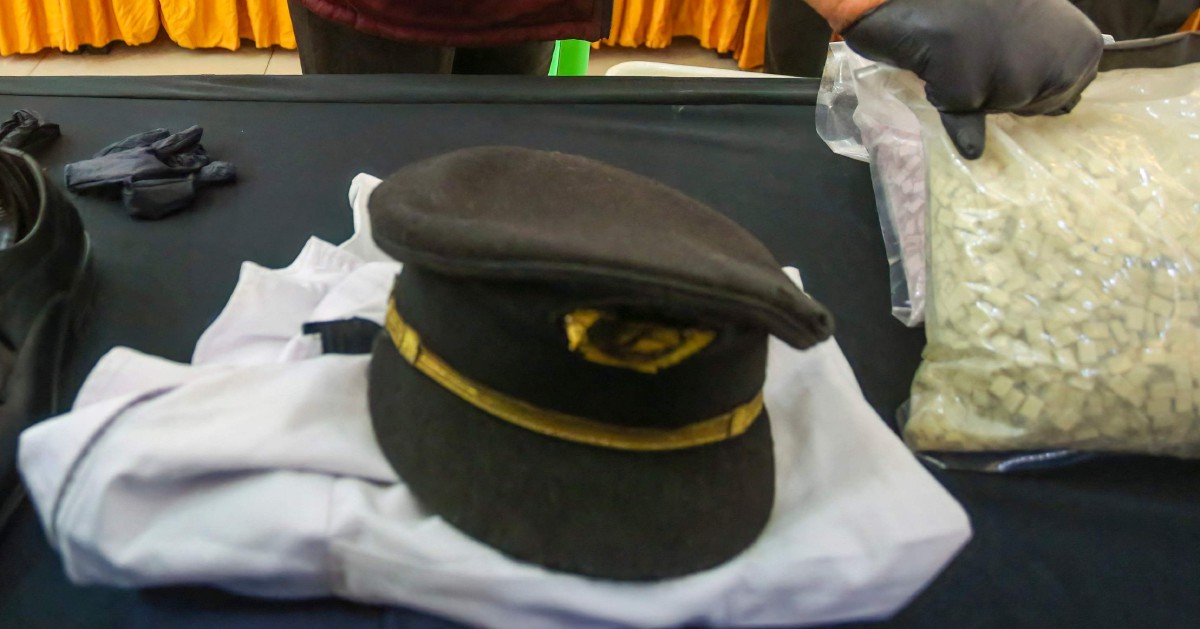
Authorities investigating a high-profile drug-related security breach at Malaysia's main aviation hub have zeroed in on an airport worker as a potential lead in the case. The individual, described as being in his 30s, is employed at Kuala Lumpur International Airport and has been marked as a person of interest by police following allegations that a Malaysia Airlines pilot managed to transport narcotics through the airport's screening procedures undetected.
The emergence of this airport employee as a focus of the investigation signals that police are exploring the possibility of internal involvement in the security lapse. Such findings would represent a concerning vulnerability in Malaysia's aviation security infrastructure, particularly given KLIA's status as one of Southeast Asia's busiest international gateways and a critical hub for the region's air transport network. The timing and nature of the breach raise questions about checkpoint procedures and personnel integrity at facilities processing both passengers and crew members.
The case underscores the delicate balance airports must maintain between operational efficiency and robust security protocols. KLIA, which handles millions of passengers annually and serves as a major connecting point for travellers throughout Asia-Pacific, operates under rigorous international aviation security standards. Any systemic weakness that permits prohibited items to bypass security screening carries implications extending far beyond a single incident, potentially affecting the airport's reputation and passenger confidence.
Police investigations into aviation-related security violations typically involve multiple agencies, including civil aviation authorities and airport management. The identification of the airport employee suggests investigators believe this individual may have either facilitated the passage of contraband through security checkpoints or possessed knowledge of security vulnerabilities that were exploited. Such possibilities point toward either deliberate complicity or negligence in the performance of security duties.
The investigation's focus on personnel rather than solely on procedural gaps reflects a broader challenge facing modern airport security: screening systems are only as effective as the people who operate them. Instances where airport staff members become implicated in security breaches have occurred at major international airports worldwide, typically resulting in expanded background check protocols, enhanced surveillance of restricted areas, and stricter accountability measures for employees with access to secure zones.
For Malaysia Airlines, the incident represents a significant operational and reputational challenge. The national carrier has long positioned itself as a premium regional airline, and any association with security lapses affecting its crews can undermine passenger trust and raise questions about internal compliance mechanisms. Airlines maintain strict policies governing crew conduct and safety protocols, and involvement of company personnel in drug-related incidents requires comprehensive internal reviews alongside external investigations.
The broader implications for Malaysia's aviation sector are substantial. As the country seeks to maintain its position as a premier regional aviation hub and expand international connectivity, security incidents can influence tourism patterns, airline operations, and international partnerships. Regulatory bodies and airport operators must respond decisively to prevent reputational damage and reinforce confidence in local aviation infrastructure.
Investigations of this nature typically explore multiple dimensions: how the contraband entered the airport, whether established screening procedures were followed, what security measures failed, and what motivations might have driven any internal cooperation. The involvement of a Malaysia Airlines pilot adds complexity, as it involves not only airport security but also airline crew management and broader aviation safety culture.
The identification of the airport employee as a person of interest does not necessarily indicate formal charges or conclusive proof of involvement; it signifies that police believe this individual possesses relevant information or may have played a role in the alleged breach. The investigation will likely involve detailed interviews, examination of security footage, analysis of access records, and financial investigations if financial incentives are suspected as motivation.
For KLIA and other Malaysian airports, such investigations typically trigger comprehensive security reviews. Management may implement enhanced personnel vetting, install additional monitoring systems in restricted areas, and strengthen internal audit procedures to prevent similar incidents. International aviation bodies monitor how nations respond to security lapses, and effective corrective action is crucial for maintaining Malaysia's standing in global aviation security rankings.
The case also highlights the importance of workplace culture within airport security operations. Employees are trained extensively in security protocols, but maintaining vigilance and integrity across all personnel—particularly those in positions enabling or overseeing checkpoint procedures—requires ongoing investment in training, supervision, and organizational commitment to security excellence.
As the police investigation progresses, outcomes will likely influence policy discussions about airport security staffing, training standards, and oversight mechanisms. The incident serves as a reminder that aviation security depends fundamentally on the competence, reliability, and ethical commitment of personnel responsible for screening procedures and access control, elements that demand continuous attention and resources from airport authorities and regulatory agencies.

