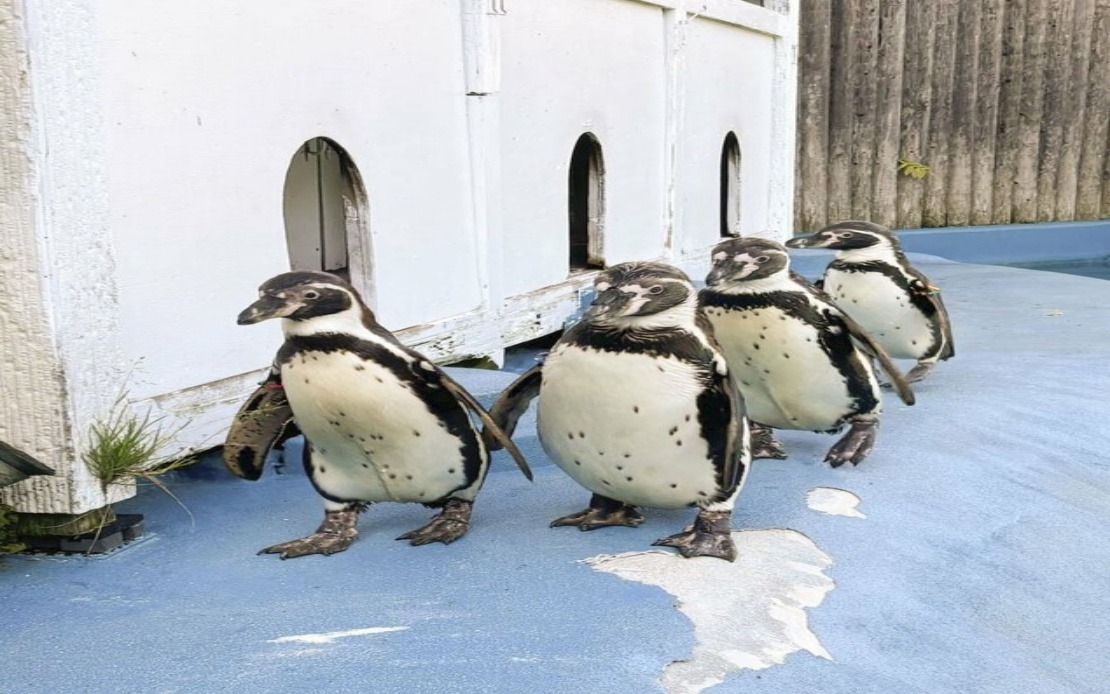
All four Humboldt penguins housed at Yagiyama Zoological Park in Sendai have been confirmed to have died from avian malaria following a detailed investigation, authorities revealed on Friday. The deaths occurred sequentially over an 11-day period in mid-July, with the first casualty being a male penguin named Aramasa on July 9, followed by the remaining three birds through July 19.
Avian malaria, transmitted by mosquitoes, represents a significant challenge for facilities maintaining exotic bird species in temperate climates. While the disease carries no risk of transmission to human visitors or staff at the facility, its progression can be deceptively rapid and often proves fatal once symptoms manifest. In the case of the Sendai zoo's penguins, a notable characteristic of their deaths was the apparent absence of clinical warning signs until the day immediately preceding each bird's death, complicating early intervention efforts.
Yagiyama Zoological Park commissioned Iwate University to conduct a comprehensive investigation into the cause of the penguins' deaths, recognising the need for scientific analysis to understand what had transpired and inform future prevention strategies. The findings have provided clarity regarding the disease vector and underlying cause, enabling the facility to develop targeted responses rather than operating from speculation or incomplete information.
Humboldt penguins are native to the Pacific coasts of Peru and Chile, where they inhabit considerably warmer waters than their Antarctic cousins. This physiological adaptation to temperate marine environments makes them popular residents in zoological institutions across Japan and other regions with milder climates. However, this same distribution in warmer zones paradoxically exposes them to mosquito populations that thrive in those conditions, creating an occupational hazard for captive populations.
The epidemiological pattern observed at Sendai presents a cautionary lesson for zoo management across the region. The rapid succession of deaths within such a short timeframe indicates that environmental conditions at the facility had become conducive to mosquito breeding and disease transmission. The absence of prior illness indicators suggests the penguins may have been infected simultaneously or nearly so, pointing to a common environmental exposure rather than gradual horizontal transmission within the group.
Looking forward, Yagiyama Zoological Park has outlined an approach focused on environmental modification and disease prevention rather than immediate replacement of the deceased animals. The facility plans to redesign the penguin enclosure with specific attention to eliminating standing water and puddle formation, which serve as breeding grounds for the Anopheles mosquitoes that carry avian malaria parasites. This proactive stance reflects growing recognition within the zoological community that prevention through habitat management is more effective than reactive treatment protocols.
The zoo has indicated that no immediate timeline exists for acquiring replacement Humboldt penguins, prioritising instead the implementation of comprehensive preventive measures before reinstating the exhibit. This measured approach demonstrates responsible stewardship, as introducing new animals into an environment where the causal hazard has not been fully mitigated would merely expose them to the same fate as their predecessors.
For Southeast Asian zoos and wildlife facilities, the Sendai incident underscores the importance of rigorous environmental monitoring in exotic bird collections. Given the region's tropical and subtropical climate, mosquito-borne diseases pose persistent challenges to captive wildlife programmes. Facilities maintaining warm-climate bird species, whether native to Southeast Asia or imported from South America and Africa, should review their vector management protocols and enclosure design standards.
The incident also highlights the critical role that research institutions play in supporting zoo management decisions. By partnering with universities like Iwate to conduct diagnostic investigations, facilities gain evidence-based insights that inform policy decisions and improve practices across the industry. Such collaborative approaches help raise standards and share knowledge that benefits animal welfare broadly.

