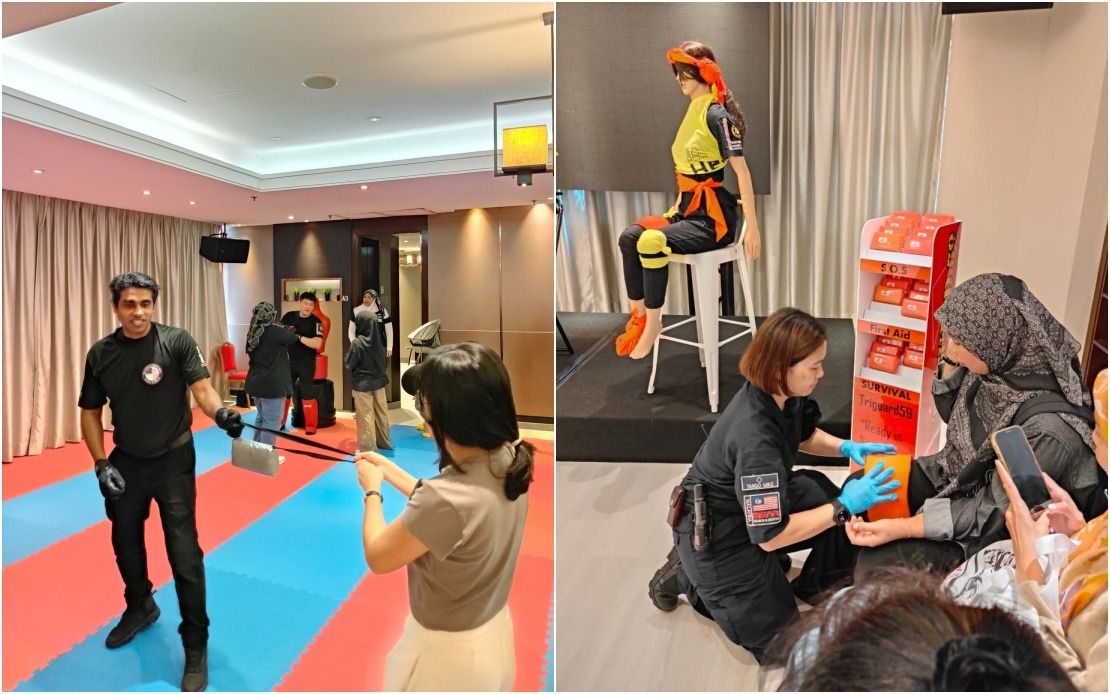
Allianz Malaysia has reinforced its commitment to community safety by partnering with the Kelab Marshal Keselamatan Jalan Raya Kuala Lumpur (RSMC) to deliver the ninth iteration of a women-focused street crime awareness initiative. Held at the Wisma Huazong YTL Hall in Seri Kembangan, Selangor, on July 20, the programme successfully engaged 200 women in comprehensive training designed to equip them with practical knowledge and actionable strategies for personal safety in their daily lives.
The campaign represents a sustained effort by the insurance group's corporate social responsibility division to address a persistent concern facing Malaysian women: vulnerability to street-level crime and road-related dangers. By targeting women aged 16 and above, the organisers recognised that safety awareness needs to span multiple age groups and life stages, from young professionals to mature community members who may face different risk profiles depending on their routines and environments.
The training curriculum covered an expansive range of real-world threats that Malaysian women encounter. Participants received detailed instruction on recognising and preventing home break-ins, protecting themselves against handbag snatching—a crime that remains disturbingly common in urban areas—and identifying road scams that often target drivers unfamiliar with certain routes or neighbourhoods. Sessions also addressed stalking and harassment, carjacking techniques that criminals employ, appropriate responses to road accidents, practical self-defence techniques, and comprehensive emergency preparedness protocols.
A significant innovation in this year's iteration was the introduction of dedicated awareness and dialogue sessions that moved beyond traditional lecture-format safety training. These interactive components allowed participants to engage directly with RSMC experts in structured conversations about their personal concerns and experiences. This approach acknowledges that generic safety advice often fails to resonate unless it addresses specific vulnerabilities and situations that women recognise from their own lives. By creating space for dialogue, the programme became more than an information-delivery exercise; it transformed into a peer-learning environment where collective experiences could be validated and solutions refined through expert guidance.
Allianz Malaysia Chief Executive Officer Sean Wang emphasised that the campaign's true measure of success extends well beyond the immediate event and its direct participants. He highlighted the enthusiasm shown by community leaders who attended the programme and expressed interest in replicating similar initiatives within their own neighbourhoods and networks. This multiplier effect—where trained participants and engaged community figures become vectors for spreading safety knowledge throughout their social circles—represents the genuine ambition of the initiative. Wang's comments suggest that the organisers understand sustainable behaviour change rarely occurs through one-off awareness sessions; instead, it requires creating local champions who can contextualise the training for their specific communities.
RSMC Founder and President Captain K. Balasupramaniam framed the campaign within a broader philosophy of personal empowerment. Rather than positioning women as passive victims requiring protection, he articulated a vision where knowledge and skills enable individuals to make informed decisions when confronted with unsafe situations. This distinction is crucial: empowerment-based safety training encourages critical thinking and informed choice-making, whereas fear-based messaging can sometimes inadvertently restrict women's mobility and autonomy. By emphasising practical takeaways that enhance both personal safety and the capacity to advocate for safety within families and communities, the programme addresses a multi-level problem.
The choice to partner an insurance company with a road safety marshals organisation reflects how private sector entities in Malaysia are increasingly engaging with public safety challenges. Allianz's involvement through its CSR arm signals that insurers recognise their stake in reducing accidents, crimes, and personal security incidents—outcomes that directly affect insurance claims and overall risk profiles. Simultaneously, the partnership demonstrates how traditional insurance businesses are evolving beyond their core commercial functions to position themselves as responsible corporate citizens contributing to social wellbeing.
For Malaysian women navigating increasingly urbanised environments, the relevance of such training cannot be overstated. While official crime statistics sometimes downplay street-level threats, anecdotal evidence and community feedback consistently indicate that many women modify their behaviour, routes, and timing based on safety concerns. Handbag snatching remains a persistent problem in major cities, carjacking incidents occur with troubling regularity, and road-related scams targeting drivers continue to evolve. Programmes that address these concrete, everyday threats serve a protective function while also potentially reducing the psychological burden that pervasive crime risk imposes on women's quality of life.
The partnership's longevity—nine editions suggests a commitment spanning several years—indicates sustainable resource allocation and institutional buy-in. This consistency matters because safety culture change requires repeated reinforcement and expanding reach within communities. Each iteration can refine messaging, incorporate new threat vectors, and deepen the network of informed advocates who champion personal safety and mutual protection norms.
Looking forward, the positive reception from both direct participants and community leaders suggests demand for expansion. Malaysian metropolitan areas continue to grow, and as urbanisation accelerates, street crime prevention becomes increasingly urgent. Programmes like this one provide a foundation upon which municipal governments, police community engagement units, and corporate sector actors can build comprehensive safety ecosystems that empower residents—particularly women—to navigate public spaces with greater confidence and competence.

