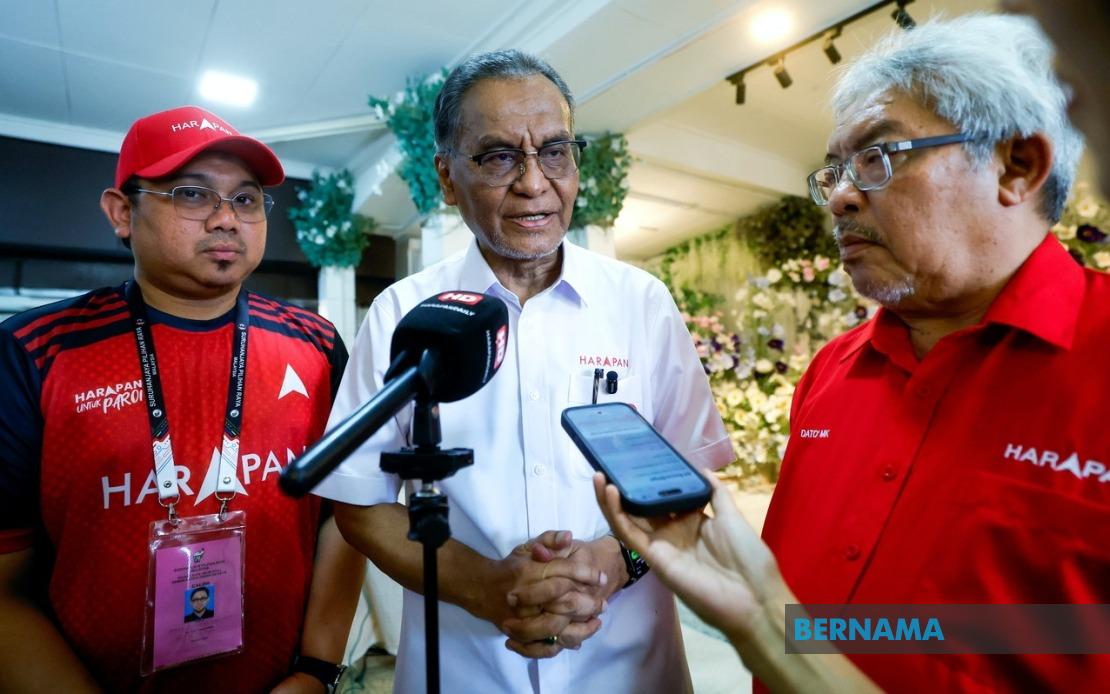
Negeri Sembilan's opposition-led state government is preparing for a critical electoral test as Parti Amanah Negara launches its campaign strategy across nine constituencies in the 16th state election. The party, a key component of the Pakatan Harapan coalition, is centering its messaging on tangible achievements and a commitment to service-oriented governance rather than populist rhetoric, according to party leadership in Seremban.
Amanah vice-president Datuk Seri Dr Dzulkefly Ahmad articulated the coalition's overarching campaign philosophy at a gathering in Paroi, arguing that electoral victory rests on demonstrating practical competence rather than vocal campaigning. This represents a deliberate strategic choice for a state government that has governed since 2023 and must now defend its record against fresh challenges from both traditional opposition and increasingly assertive rival blocs. The emphasis on proven administrative capability reflects confidence in achievements accumulated over the past two years, though it also carries risk if voters perceive those accomplishments as insufficient.
Within Pakatan Harapan's seat-sharing arrangement across 36 state constituencies, Amanah has secured nine positions—a meaningful allocation that underscores its standing within the coalition. Parti Keadilan Rakyat contests 16 seats while the DAP fields 11 candidates, creating a three-way coalition structure that mirrors similar arrangements in other Malaysian states where PH holds power. This distribution reflects both Amanah's relative organizational strength in Negeri Sembilan and the broader coalition dynamics that have reshaped Malaysian electoral competition since the 2022 general election.
The campaign methodology outlined by party officials departs from conventional mass rallies, instead prioritizing direct community interaction through house visits, small-group forums, and social media outreach. This granular approach enables candidates to identify specific grievances before escalating them to relevant government departments for resolution. Dr Dzulkefly emphasized that this method builds voter confidence by demonstrating responsive governance—a particularly valuable tactic in a mid-term election where incumbent governments face the double challenge of justifying why their initial promises deserve renewal while addressing accumulated frustrations from their initial term.
Amanah's candidate slate spans diverse experience levels, though the party insists all have demonstrated community engagement histories. Incumbent Datuk Bakri Sawir defends the Klawang seat, representing continuity, while other nominees including Yaacob Mahmood in Serting, Zarrina Abu Zarin in Lenggeng, and Nasir Raman in Bagan Pinang bring varied professional backgrounds to their contests. This mixture of experience and fresh faces reflects a calculated balance between rewarding loyalty and projecting dynamism to younger voters.
In Paroi, a constituency with over 65,000 registered voters and a broader population of approximately 140,000, candidate Ahmad Shahir Mohd Shah has identified small-trader empowerment as a priority issue. His platform encompasses streamlining business licensing procedures, ensuring adequate infrastructure, and collaborating with local authorities on commercial zone improvements. This focus on entrepreneurial support speaks to the economic anxieties that permeate suburban constituencies, where small business owners struggle with regulatory burdens and competition from larger commercial entities. By positioning government as a facilitator rather than obstacle, the campaign attempts to shift perception of the state administration's role in economic life.
The electoral context for this contest carries particular significance given the 2023 state election outcome. Pakatan Harapan's 17-seat majority, secured against Barisan Nasional's 14 seats and Perikatan Nasional's five, provided sufficient control for the coalition to govern, yet hardly constituted a dominant mandate. The narrow margin means Amanah and coalition partners must motivate supporters while consolidating soft support that could easily drift. Barisan Nasional's competitive positioning—just three seats behind—implies genuine electoral contestation rather than a predetermined outcome.
Perikatan Nasional's presence, capturing five seats in 2023, represents an additional complication for Amanah's campaign calculus. As a political force that has gained traction in Peninsular Malaysia through positioning itself as an alternative to both the original ruling coalition and Pakatan Harapan, PN campaigns in terms unfamiliar to traditional Malaysian electoral competition. This three-way contest fundamentally alters voter decision-making compared to conventional two-coalition races, potentially fragmenting opposition votes and creating unpredictable outcomes in marginal constituencies.
The Election Commission's schedule—early voting on July 28 and main polling on August 1—compressed into a single week, limits campaign duration compared to typical Malaysian electoral contests. This compressed timeline favors incumbents with established administrative machinery and media coverage advantages, yet simultaneously risks disenfranchising voters with limited time to assess candidates or information. The acceleration potentially advantages better-organized parties with established ground networks.
Amanah's emphasis on administrative track record assumes voters prioritize governance competence and economic performance. This assumption, while reasonable, remains untested against potential countervailing factors including frustration with rising living costs, perceived inadequate service delivery, or sectarian appeals from competing parties. Should national political dynamics—particularly federal government performance or internal Pakatan Harapan tensions—become salient, the ground-level strategy of showcasing local achievements could prove insufficient to retain power.
For Malaysian political observers, the Negeri Sembilan election serves as an important indicator of coalition viability and voter satisfaction with Pakatan Harapan governance at state level. An emphatic victory would validate the coalition's development agenda and suggest electoral durability, while narrow margins or unexpected losses would signal erosion of the anti-corruption mandate that propelled PH to initial victory. The election results will likely influence calculations across multiple state governments and shape thinking ahead of future federal electoral cycles.
The contest also tests whether electorate expectations have shifted since the 2023 election. If voters now expect more transformative action on economic issues, housing affordability, or infrastructure development, an administration defending its track record faces considerable risk. Conversely, if the electorate has accepted slower pace of reform and appreciates relative stability compared to earlier political turbulence, Amanah and coalition partners may find their record sufficiently persuasive to secure renewed mandates across most contested seats.

