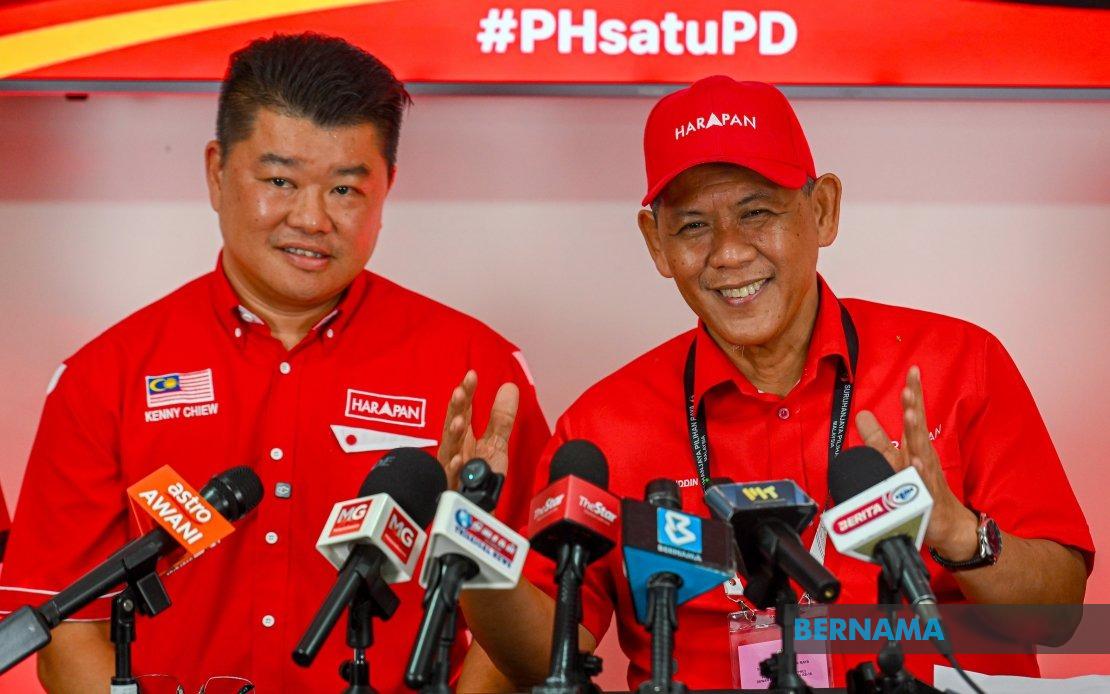
Negeri Sembilan Menteri Besar Datuk Seri Aminuddin Harun has issued a direct appeal to all political parties participating in the 16th Negeri Sembilan State Election to uphold standards of conduct befitting a mature democracy. Speaking in Port Dickson while campaigning for his Linggi state seat under the Pakatan Harapan banner, Aminuddin emphasised that electoral contests must be fought through lawful means and with respect for established regulations governing campaign behaviour. His remarks come at a sensitive moment in the campaign period, underscoring the leadership's concern about maintaining democratic standards even as competition between contenders intensifies.
The Menteri Besar's intervention reflects growing concern over multiple incidents of campaign material vandalism recorded since the campaign officially began. Reports indicate that Pakatan Harapan's election operations centre received numerous complaints about deliberate destruction of campaign signage and materials across several constituencies. Specifically, party officials documented the burning of political flags in the Palong constituency and the damaging of flagpoles in the Chembong area. These incidents, while seemingly isolated incidents of political hardball, have prompted state leadership to publicly distance itself from such tactics and reinforce that civilised political competition does not tolerate property damage or intimidation through vandalism.
Aminuddin framed his appeal within a broader vision of what democratic participation should represent in contemporary Malaysia. He stressed that Negeri Sembilan, as a developed and sophisticated state, should exemplify the conduct expected in a healthy democracy. The implication is clear: political parties should rely on their policies, track records, and ability to persuade voters through legitimate discourse rather than resorting to sabotage or intimidation. His comments suggest that such vandalism undermines public confidence in the electoral process and diminishes the credibility of those involved, regardless of political affiliation. By positioning cleanliness and compliance as markers of civilisational progress, Aminuddin seeks to establish a moral framework that transcends party interest.
The Police Chief's confirmation of investigations lends official weight to the seriousness of these incidents. Negeri Sembilan Police Chief Datuk Alzafny Ahmad acknowledged receiving reports of campaign material vandalism in Jempol, while authorities are actively investigating a separate incident in Chembong. The involvement of law enforcement signals that authorities will not overlook such incidents, potentially serving as a deterrent for further vandalism. However, the fact that multiple reports have emerged suggests that control over campaign conduct remains uneven across constituencies, reflecting the challenge of maintaining order during competitive periods when emotions run high among grassroots supporters.
For Malaysian readers and political observers, these developments carry broader significance for the state's democratic health. Negeri Sembilan's election occurs within a national context where election conduct and campaign integrity remain sensitive issues. The state's experience during this campaign provides a microcosm of challenges facing Malaysian democracy at all levels. Whether political parties can self-regulate and prevent supporters from engaging in destructive behaviour reflects the maturity of Malaysia's political culture. Aminuddin's public admonishment suggests leadership recognises that tolerating such conduct would erode democratic norms and set a dangerous precedent for future contests.
The timing of vandalism incidents during the campaign's early phase is also noteworthy. With polling day scheduled for August 1 following early voting on July 28, the campaign window remains open and tensions may escalate further. The prevalence of such incidents on only the campaign's second day indicates that vigilance throughout the remaining period will be essential. Both state and local authorities will need to maintain heightened monitoring while political party leaders actively discourage their members and supporters from engaging in retaliatory destruction or intimidation tactics that could spiral into more serious disorder.
Aminuddin's position as both Menteri Besar and a Pakatan Harapan candidate creates an interesting dynamic. His appeal carries official weight as the state's chief executive while also carrying partisan significance as a party contender. This dual role allows him to frame campaign ethics as a state-level concern rather than merely a party issue, potentially lending greater moral authority to his message. Voters and observers may view his call for integrity as either a genuine commitment to democratic standards or as strategic positioning designed to claim the moral high ground while his coalition faces vandalism allegations. The distinction matters for public perception of campaign conduct and state leadership credibility.
Beyond Negeri Sembilan, this episode reflects broader patterns observable in Malaysian state and national elections. Competition often intensifies conduct below the level of overt illegality, with parties pushing boundaries while technically remaining within the law. Vandalism, while technically illegal, remains difficult to prosecute when perpetrators act covertly or when responsibility cannot be definitively established. Aminuddin's emphasis on voluntary compliance and ethical conduct thus represents an appeal to the conscience of party leadership and activists. Whether such appeals succeed depends on party discipline and the degree to which party leaders can convince supporters that winning through ethical means serves the party's long-term interests better than short-term tactical advantage gained through vandalism.
The institutional framework governing the election also matters. The Election Commission's authority to regulate campaign conduct provides legal backing for enforcement, though practical challenges in detecting and prosecuting vandalism persist. Aminuddin's public comments may also serve to document that state leadership officially opposes such conduct, creating political and legal cover for law enforcement to investigate and prosecute vandalism incidents vigorously. If perpetrators face meaningful consequences, future deterrent effects may reduce incidents as the campaign progresses. Conversely, if vandalism continues unchecked despite these warnings, public confidence in both electoral integrity and state leadership will suffer. The coming weeks will test whether Aminuddin's appeal translates into changed behaviour among party supporters and activists across Negeri Sembilan's contested constituencies.

