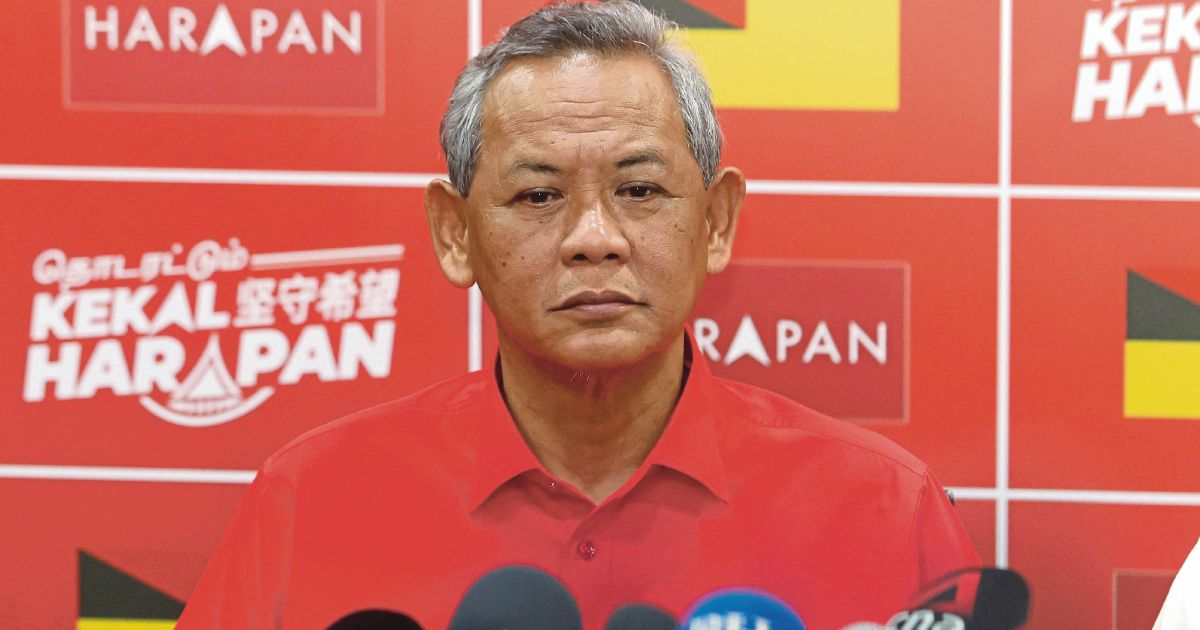
Datuk Seri Aminuddin Harun, the former menteri besar of Negri Sembilan, has signalled his willingness to relinquish his position as chairman of Parti Keadilan Rakyat in the state following disappointing results in the recent state election. The announcement, made in Melaka, reflects a moment of reckoning for the PKR leadership in one of Malaysia's more closely contested political battlegrounds.
Aminuddin's decision to make himself available for replacement comes at a time when PKR faces mounting pressure to revitalise its organisational structures across multiple states. The party has been grappling with electoral challenges that extend beyond Negri Sembilan, prompting soul-searching among senior figures about leadership renewal and strategic direction. His willingness to step aside demonstrates an acknowledgement that political accountability extends to those helming state-level operations.
The Negri Sembilan political landscape has become increasingly competitive in recent years. The state, which once formed a reliable component of PKR's support base, has proven more volatile than in previous election cycles. Aminuddin's tenure as menteri besar, which concluded with the electoral setback, had been marked by efforts to consolidate PKR's influence, but these initiatives ultimately failed to translate into the electoral outcomes the party had targeted. The gap between organisational efforts and voter sentiment suggests deeper structural challenges within the party's state apparatus.
As a senior figure within PKR's national hierarchy, Aminuddin's departure from the state chairmanship carries broader implications for the party's positioning in peninsular Malaysia. His track record in office and party management had positioned him as a key lieutenant within Anwar Ibrahim's leadership structure. The transition at state level may necessitate adjustments to how PKR coordinates its political strategy across the peninsula, particularly in states where the party holds or contests for executive authority.
The timing of Aminuddin's announcement reflects ongoing internal discussions within PKR about how best to respond to recent electoral reversals. Rather than waiting for external pressure or formal calls for his removal, his proactive stance suggests a maturity in acknowledging that leadership transitions can be necessary corrective mechanisms. This approach contrasts with some Malaysian political parties, which have historically resisted such transitions, often to their longer-term detriment.
For PKR's broader coalition partners, particularly the Democratic Action Party and Amanah, Aminuddin's move signals a willingness within the Pakatan Harapan framework to undertake necessary organisational changes. Such flexibility in leadership is essential for maintaining coalition cohesion, especially as the country approaches future electoral cycles where coalition unity may prove decisive. The precedent set by senior figures stepping aside when electoral performance warrants can strengthen perceptions of institutional responsibility.
Negri Sembilan's political trajectory carries significance for understanding PKR's viability as a peninsular powerhouse. The state has considerable strategic value within both the Pakatan Harapan coalition and national politics more broadly. The party's capacity to recover and rebuild its position in Negri Sembilan will depend significantly on identifying leadership capable of reconnecting with voters and rebuilding organisational momentum. The process of selecting Aminuddin's successor will therefore warrant close attention from both party insiders and political observers.
The broader context of this development includes PKR's need to strengthen governance and management at state levels. Electoral defeats often reveal disconnects between party machinery and voter expectations. Addressing these gaps requires not only leadership changes but also deeper structural reforms in how state-level organisations mobilise support, communicate their platforms, and build grassroots networks. Aminuddin's stepping aside creates space for such reassessment and renewal.
Looking ahead, PKR faces the challenge of ensuring that leadership transitions translate into genuine improvements in organisational effectiveness. The party's performance in Negri Sembilan over the next electoral cycle will provide a crucial indicator of whether the changes initiated with Aminuddin's departure prove substantive. For Malaysian politics more broadly, how PKR navigates this transition may influence broader norms around leadership accountability and renewal within the country's political parties.
The announcement also reflects PKR's internal dialogue about merit-based advancement and succession planning. Rather than allowing positions to calcify around incumbent office-holders, the willingness to consider fresh leadership suggests institutional maturation. This approach may increasingly characterise how Malaysia's political parties approach renewal, particularly as voters demonstrate decreasing tolerance for leadership perceived as out of touch or ineffective.

