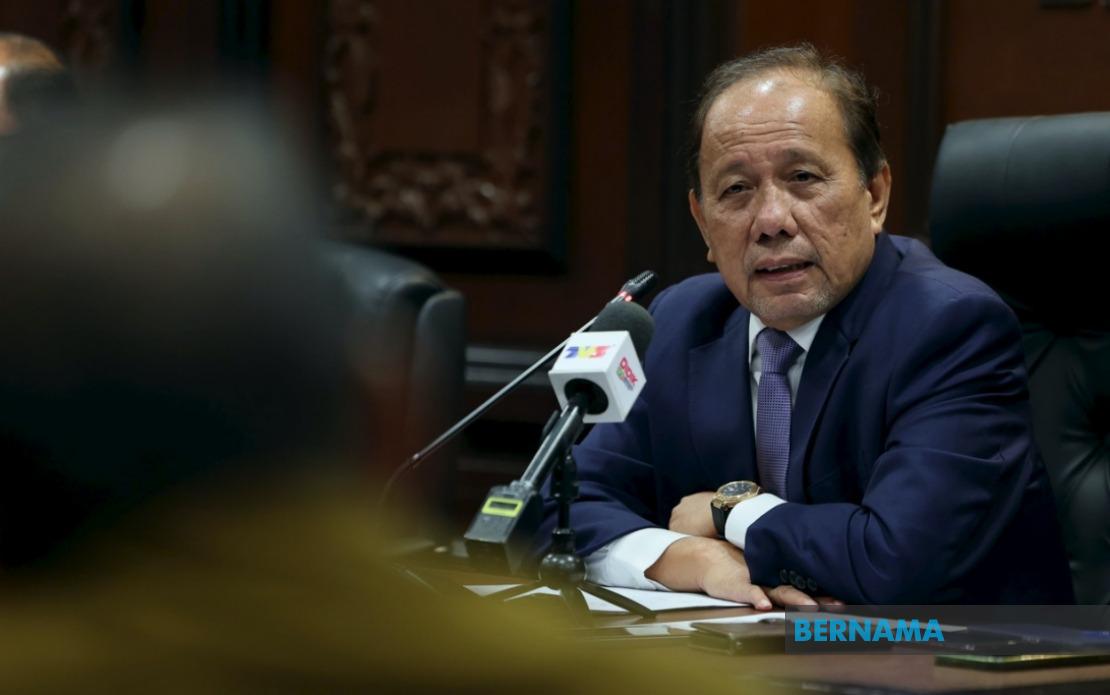
Negeri Sembilan Menteri Besar Datuk Ismail Lasim has singled out former state leader Datuk Seri Aminuddin Harun as the sole former Pakatan Harapan assemblyman to have completely reimbursed his full allocation following the June dissolution of the state assembly, highlighting a notable contrast with several of his former colleagues who continue to settle their outstanding balances.
In remarks made at a flag presentation ceremony for contingent organisers involved in the Selangor 2026 Malaysia Para Games, Lasim disclosed that a number of erstwhile PH representatives, including those responsible for coordinating activities in the Paroi and Labu constituencies, initiated repayment processes from the end of June but have not yet cleared their complete obligations. This partial repayment situation has prompted the state administration to undertake a comprehensive audit of expenditure records and remaining liabilities across each former representative's allocation account.
The Menteri Besar's Office has commenced a detailed review of records documenting the precise sums disbursed to individual former assemblymen, as allocation amounts varied considerably across the state's different constituencies and representatives. Lasim explained that this variance necessitates customised recovery letters tailored to each former assemblyman's specific circumstances rather than applying a uniform demand across the board. Some former representatives may ultimately owe the full amount originally provided, whilst others face significantly reduced outstanding balances depending on what they have already remitted and verified expenditure records they can present.
The accountability requirements have been particularly stringent given the nature of the allocations in question. Yesterday, Lasim had issued formal directives requiring all former Negeri Sembilan PH state assemblymen and their respective state constituency coordinators to return all funds received during the July to September period within a one-month timeframe. This instruction came in the aftermath of the state assembly's dissolution on June 5, which fundamentally altered the eligibility status of these representatives to continue utilising government resources for their constituencies.
However, an important exception was built into these recovery arrangements. Aminuddin and other state executive councillors who held office at the time of dissolution retained their ex-officio membership status through July 31 and consequently remained authorised to draw upon and utilise allocations designated for that final month. This technical distinction between July allocations, which remained legitimately accessible, and those from August onwards, which required return or justified expenditure documentation, has become central to the assessment process now underway in Seremban.
Despite the state's recovery efforts, Nilai assemblyman J. Arul Kumar, who serves as Negeri Sembilan DAP chairman, has mounted a defence of how the former PH administration deployed these constituency resources. Kumar asserted that all disbursements made prior to the assembly's June 5 dissolution were channelled exclusively toward genuine public welfare initiatives rather than being diverted for partisan political activities. He further contended that all unused balances remaining in constituency accounts were already transferred back to the Menteri Besar's Office before July 10, accompanied by comprehensive financial documentation covering each state constituency's expenditure during the relevant period.
The dispute over allocation accounting reflects broader sensitivities surrounding the transition of state government control from PH to the current administration. In Malaysia's federal system, state assemblies wield considerable authority over resource distribution through constituency-level allocations, making the proper accounting and recovery of these funds a matter of fiscal transparency and political significance. The differing accounts offered by the current menteri besar and the former PH representatives suggest that interpretation of what constitutes proper utilisation versus wasteful or politically-motivated spending remains contested.
The staggered nature of repayments and the ongoing review process indicate that resolution of this matter may extend beyond the initial one-month deadline. Lasim's commitment to send individualised letters only after the review concludes suggests a process requiring several additional weeks before formal demands are issued. This timeline provides former assemblymen additional opportunity to marshal supporting documentation should they wish to dispute portions of the outstanding amounts or justify specific expenditures as legitimate constituency development activities rather than balances requiring reversion to the state coffers.
For Malaysian observers monitoring governance standards and fiscal discipline, this episode in Negeri Sembilan underscores the practical challenges of policing political use of state resources. The Aminuddin precedent of complete repayment sets an explicit benchmark against which the actions of other former assemblymen will be measured, establishing an expectation within the state political system that former officeholders bear responsibility for properly accounting for public monies placed under their stewardship. Simultaneously, the dispute between the current administration and former PH officials reflects the reality that determinations of appropriate versus inappropriate use of constituency allocations often contain subjective elements susceptible to differing interpretations along partisan lines.

