Confidence in Lembaga Tabung Haji remains justified despite public disclosure of a Royal Commission of Inquiry report detailing past governance lapses, according to financial analysts and Islamic finance observers commenting on the institution's rehabilitation efforts. The 211-page RCI report, released on July 29 after years of confidentiality, detailed operational and management weaknesses spanning 2014 to 2020, yet economists argue that the findings represent issues already widely acknowledged and substantially addressed through ongoing recovery initiatives.
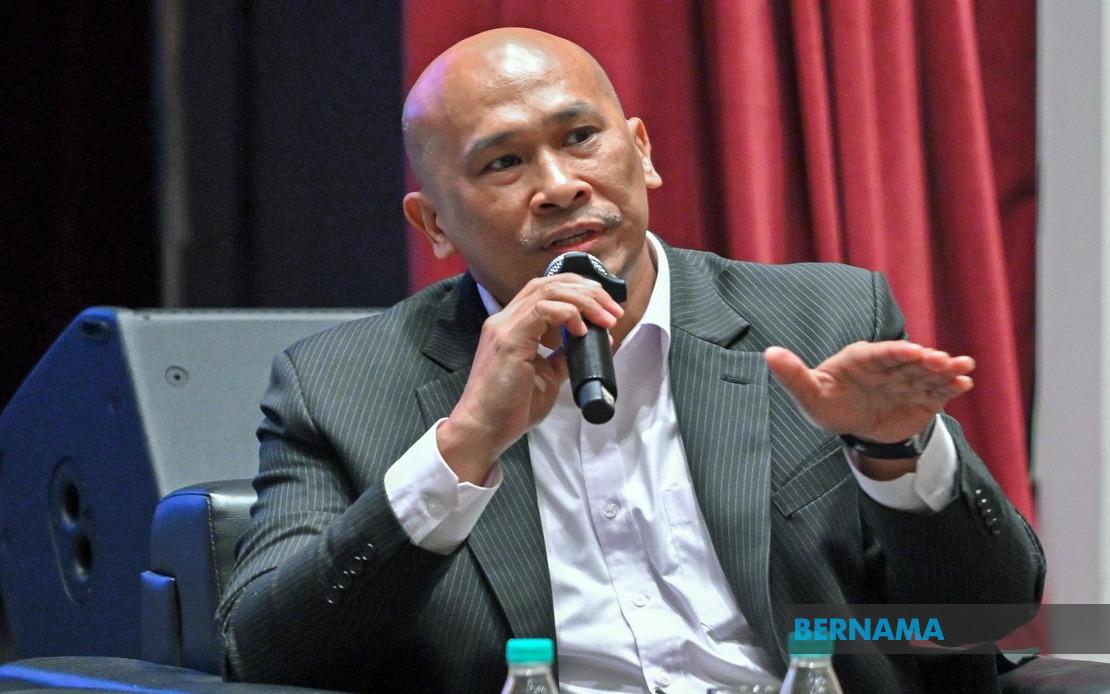
Dr Mohd Afzanizam Abdul Rashid, chief economist at Bank Muamalat Malaysia Bhd, emphasised that Tabung Haji's trajectory since the period covered by the inquiry demonstrates institutional learning and strategic repositioning. The most compelling evidence, he argued, lies in the organisation's unbroken record of positive net assets—the figure remaining in the black for five consecutive years through to the previous fiscal year. This metric, understood as total assets minus liabilities with genuine growth added, signals fundamental financial stabilisation rather than mere accounting manipulation. Dr Mohd Afzanizam characterised the RCI report's eventual release as a matter of administrative timing rather than revelatory substance, noting that the inquiry concluded its work in 2022 but the document only reached public circulation recently.
The economist highlighted governance transformation as a critical area of ongoing attention, pointing to documented changes in Tabung Haji's leadership hierarchy and management architecture. These structural modifications reflect serious institutional will to embed better controls, clearer accountability lines, and refreshed decision-making processes. Such organisational surgery proves especially important for a body managing collective Muslim aspirations around one of Islam's five pillars, where trust constitutes an asset as valuable as financial reserves.
Beyond strictly monetary assessments, Dr Mohd Afzanizam urged a more holistic evaluation of Tabung Haji's performance incorporating its role as operational steward of the hajj pilgrimage. The institution's capacity to arrange Saudi Arabian logistics, maintain cordial diplomatic relations with Riyadh's government, and secure advantageous quota allocations for Malaysian pilgrims represents genuine value delivered to depositors that spreadsheets alone cannot capture. The esteem in which Saudi authorities regard Malaysian hajj delegations—widely visible in the discipline and comportment of Malaysian pilgrims—directly traces to Tabung Haji's pastoral guidance and operational standards. This reputational capital, accumulated through years of conscientious stewardship, remains intact and constitutes a substantial competitive advantage.
Mohd Hafiz Abd Hamid, secretary-general of IKRAM Malaysia, contributed a complementary perspective by reframing public understanding of Tabung Haji's essential role. Rather than conceptualising the organisation merely as a conventional savings platform competing with commercial banks, Mohd Hafiz characterised it as the custodian of a specifically Islamic aspiration—the realisation of hajj for ordinary Malaysian Muslims of modest means. This distinction carries profound weight within Muslim communities, where hajj represents not merely a financial transaction but a spiritual obligation and life milestone. Given this sacred dimension of depositors' relationship with the institution, Mohd Hafiz stressed the paramount necessity for all management tiers to protect and nurture the confidence that Muslim Malaysians have invested in Tabung Haji across generations.
The RCI findings disclosed 25 recommendations spanning institutional reform, with approximately three-quarters already operationalised by Tabung Haji as of late July. This implementation pace suggests neither defensive minimalism nor performative compliance, but rather serious engagement with identified shortcomings. The institution has moved beyond acknowledging problems to demonstrating tangible corrections across governance frameworks, financial controls, operational procedures, and stakeholder communication protocols.
Real depositors have begun signalling their sustained trust through continued participation. Nooraishah Wahab, a 57-year-old housewife and long-term depositor, articulated the quiet confidence of ordinary Malaysians who view Tabung Haji as integral to their life planning around hajj performance. The public release of critical scrutiny has not rattled her faith in the institution, nor has it prompted her to redirect savings elsewhere. Instead, she expressed hope that management would remain vigilant in protecting depositor interests—a formulation suggesting partnership rather than suspicion between saver and steward.
For Malaysian depositors contemplating their position following the RCI report's emergence, the convergence of expert analysis, institutional performance metrics, and community testimony suggests grounds for continued participation. The recovery trajectory visible over recent years, the transparent acknowledgment of past weaknesses coupled with documented remediation efforts, and the irreplaceable role Tabung Haji occupies within Malaysia's Islamic financial ecosystem all point toward an institution engaged in serious transformation rather than terminal decline. The authentic measure of success will unfold not through additional expert pronouncements but through continued faithful management, transparent communication, and consistent delivery on the hajj commitments that bind depositors to this unique institution across Malaysia's diverse Muslim communities.

