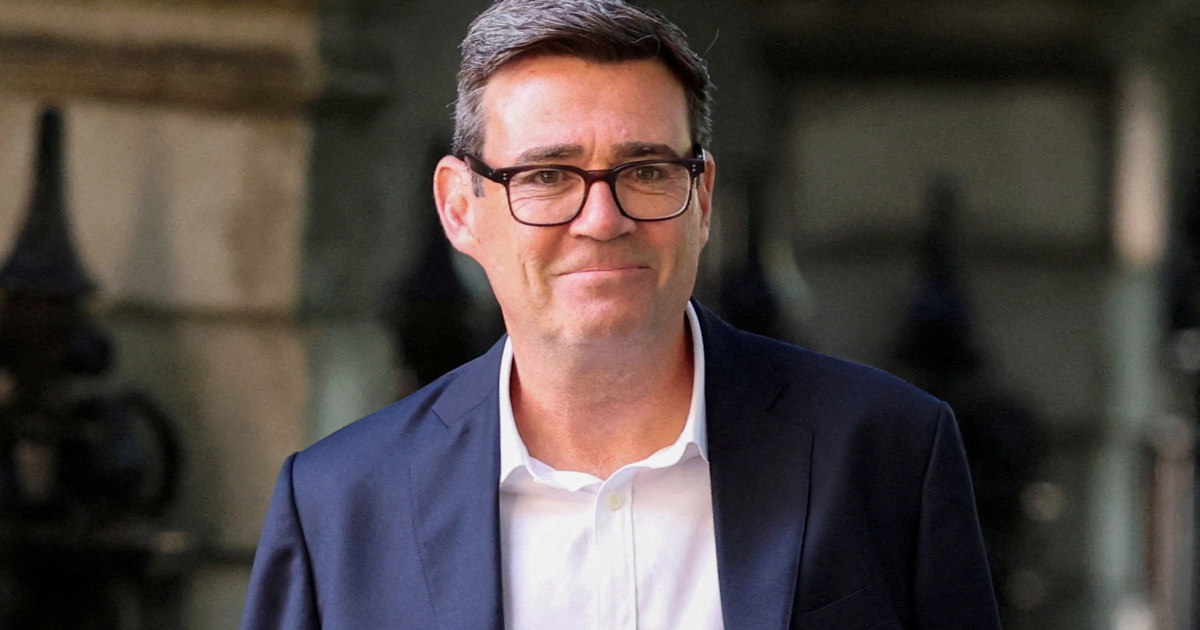
Andy Burnham, one of Britain's most seasoned Labour politicians, moved decisively towards the top job on Thursday as hundreds of party MPs formally endorsed his candidacy to replace Keir Starmer as leader. The scale of support from across the parliamentary Labour benches underscores his standing among colleagues and suggests momentum building ahead of what promises to be a closely watched leadership contest.
Burnham's trajectory in British politics spans decades of ministerial roles and high-profile positions. His entry into the race marks a significant moment for Labour, which must now navigate succession planning as the party faces ongoing pressures and policy challenges. The nominations process represents the first formal mechanism by which the party assesses which candidates possess sufficient parliamentary support to proceed toward a full membership ballot.
The backing of hundreds of fellow MPs is not merely symbolic. Labour's leadership selection rules require candidates to secure nominations from party members in parliament before they can be included on the final ballot paper sent to the broader membership. This threshold system has historically winnowed candidates, though recent years have seen multiple contenders emerge simultaneously. Burnham's early accumulation of support suggests fellow MPs view him as a credible candidate capable of leading the party back to electoral strength.
As mayor of Greater Manchester since 2017, Burnham has cultivated a profile as a defender of regional interests and a critic of Westminster-centred policymaking. His tenure has involved high-profile disputes with the central government over devolution and public health funding, particularly during the pandemic. These experiences position him as someone willing to challenge the status quo and articulate grievances shared by communities beyond London's sphere of influence.
For Malaysian observers watching Westminster developments, Burnham's candidacy reflects broader questions about how major democracies transition power and develop new leadership. The Labour leadership contest will showcase how one of the world's oldest parliamentary traditions manages succession, with clear rules and transparent processes allowing party members to determine their own direction. This contrasts with leadership transitions in some other political systems where change occurs more opaquely.
Burnham's potential ascension comes as the Labour Party contemplates its strategic direction following the 2024 general election. The party's relationship with voters in formerly industrial heartlands—constituencies where Burnham maintains deep roots—remains crucial to any future election victory. His background in such communities gives him particular credibility on issues affecting working-class voters who have historically anchored Labour's support.
The leadership race itself will likely consume Labour's agenda for the coming weeks. Party activists and MPs will scrutinise candidates' positions on economic policy, public services, and Britain's relationship with the European Union—issues that continue to divide the party internally. Burnham's statements and campaign positioning will reveal much about how he intends to address these fractures and rebuild party unity.
International observers will also monitor the race closely. Britain's relationship with other democracies, trade arrangements, and security partnerships may all shift based on who leads the government. A Burnham-led administration would likely reflect his emphasis on regional regeneration and his skepticism towards centralised power, potentially reshaping how Britain approaches devolution, local investment, and regional economic policy.
The nomination process underway this week serves as the gateway to broader party engagement. Once nominations close and the candidate field is confirmed, Labour's membership—currently numbering in the hundreds of thousands—will have the opportunity to campaign and select their preferred leader through a ballot process. This retail politics phase often surprises, with activists and rank-and-file members sometimes confounding expectations set by parliamentary endorsements.
Burnham's long experience in politics means he approaches this contest without naïveté about the challenges ahead. Whether his support proves durable throughout the full campaign, and whether membership voting confirms parliamentary preference, remains to be seen. Nevertheless, his current position as the apparent frontrunner gives him significant platform and visibility as Labour seeks to chart its course for the coming years.
The outcome of this leadership contest will reverberate through British politics and beyond. For regional powers like Malaysia observing the stability and predictability of established democracies, the Labour succession represents both the strengths and occasionally cumbersome nature of transparent, rule-based political transitions. Whether Burnham ultimately prevails, the process itself demonstrates how mature democracies manage high-stakes power transfers without the instability that can accompany such moments in other contexts.

