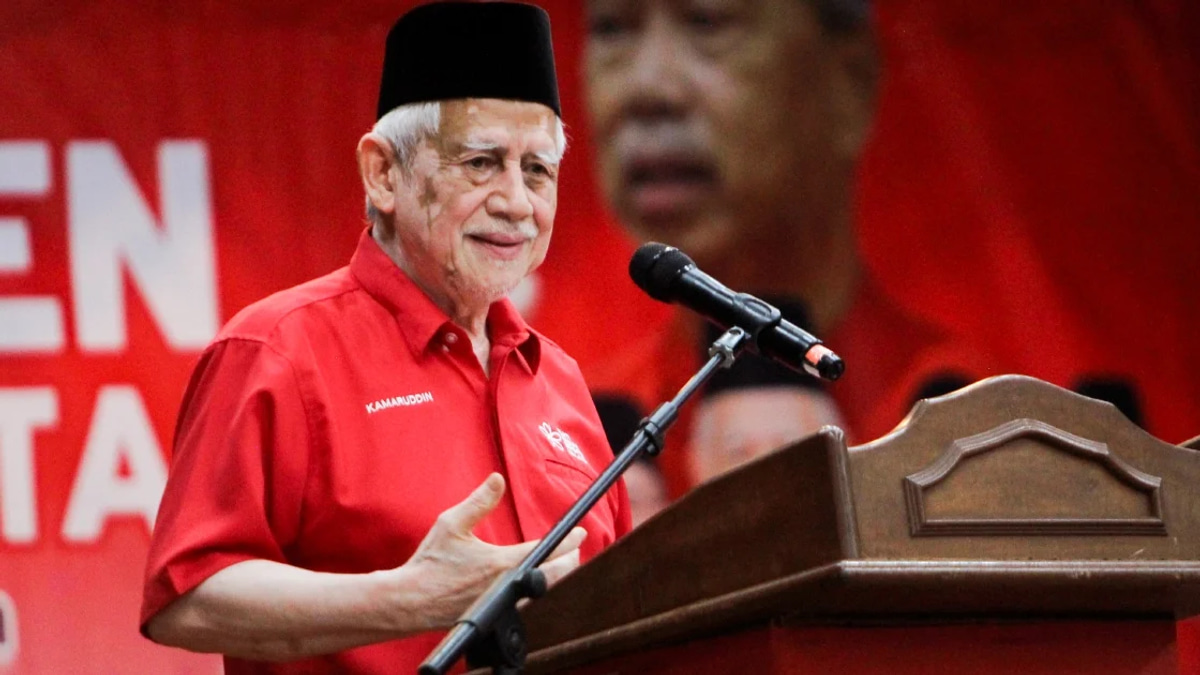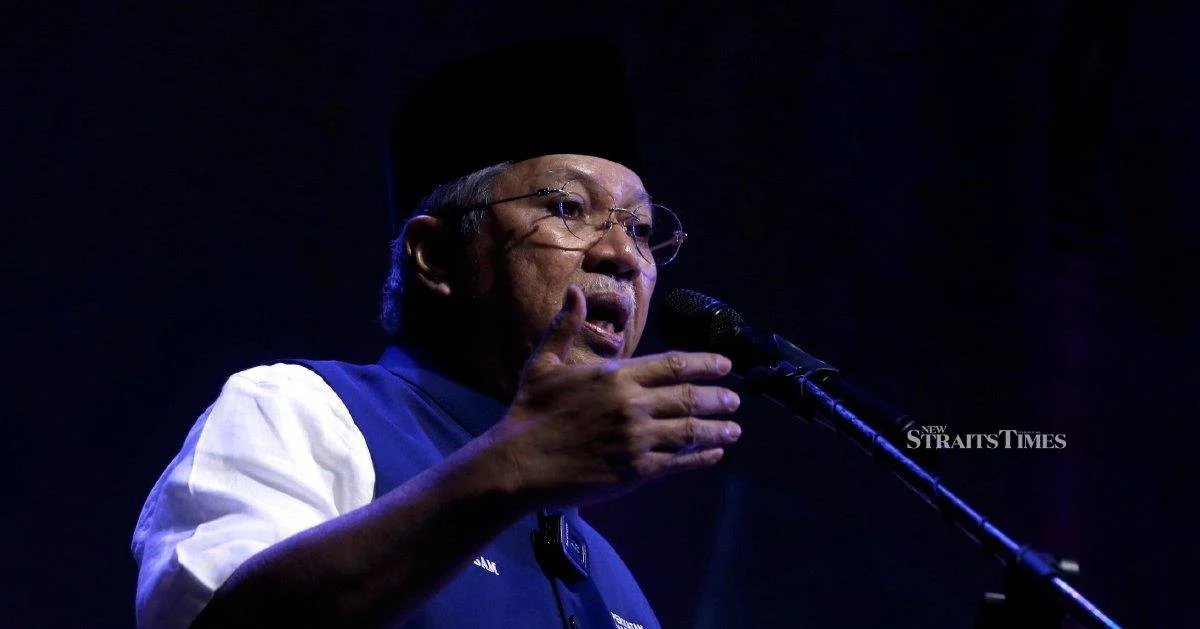
In a bid to prevent further deterioration of relations, senior party figures have counselled Bersatu leadership to exercise caution and discipline when responding to the mounting friction now characterising Perikatan Nasional. The appeal underscores deepening concerns that unguarded remarks and hasty declarations could inflame existing divisions within the coalition, potentially undermining its cohesion at a critical juncture for Malaysia's opposition politics.
The pressure on Bersatu reflects a broader pattern of instability within PN, the opposition bloc that has served as a focal point for political realignment over the past several years. Internal friction has become increasingly difficult to contain, with various factions within the coalition pursuing divergent strategic interests. Party leaders recognise that public airing of grievances risks widening rifts and weakening PN's collective bargaining position in national politics.
The appeal for calm comes as Bersatu grapples with its own internal dynamics while simultaneously managing its relationships with fellow PN members. The party's role within the coalition has evolved considerably since PN's formation, and current tensions reflect broader questions about the coalition's future direction and membership commitments. For Malaysian observers tracking opposition politics, these developments signal potential structural shifts that could reshape the political landscape heading into future electoral contests.
Bersatu's position within PN carries particular significance given its historical prominence and the departure of prominent figures to other political formations. The party's decisions and public posturing influence not only its own trajectory but the stability of the wider opposition coalition. This interdependence means that measured responses, rather than confrontational public statements, serve the interests of all PN members seeking to maintain organisational coherence.
The emphasis on restraint also reflects pragmatic concerns about media amplification of internal disputes. In contemporary Malaysian political discourse, inflammatory comments often attract immediate coverage and public commentary, potentially hardening positions and reducing scope for behind-the-scenes negotiation. By urging discipline in public communications, party leadership aims to preserve channels for constructive dialogue while preventing premature positions from becoming entrenched.
Tensions within PN extend beyond personality conflicts or isolated policy disagreements; they reflect fundamental questions about coalition governance and member party autonomy. Different member organisations harbour distinct visions for the coalition's role and strategic direction, and these philosophical divisions complicate efforts at consensus-building. The appeal to Bersatu thus addresses not merely immediate flashpoints but underlying structural challenges requiring sustained attention and skillful management.
For Bersatu members and supporters, the current environment demands a degree of patience and trust in leadership's ability to navigate complex interparty negotiations. The party entered PN with specific political objectives, and achieving those goals requires maintaining sufficient coalition cohesion while advocating for party interests. This balancing act requires discipline at all organisational levels to prevent individual statements from undermining collective negotiating positions.
The broader implications for Malaysian politics are noteworthy. A fractious and undisciplined opposition coalition serves neither its member parties nor the electorate that might benefit from coherent alternatives to government. Conversely, excessive internal suppression of dissent can breed resentment and eventual schism. The challenge facing PN leadership, particularly as embodied in appeals to Bersatu, centres on finding sustainable mechanisms for managing diversity while maintaining functional unity.
Internationally, the trajectory of PN attracts attention from observers tracking Southeast Asian political dynamics and coalition governance. Malaysia's experience with multi-party opposition coalitions offers lessons about the difficulties inherent in maintaining diverse organisations with competing interests. How PN members, including Bersatu, navigate current tensions may influence approaches to coalition-building elsewhere in the region.
Moving forward, the counsel for restraint likely signals ongoing intensive discussions among PN leadership aimed at establishing clearer protocols for managing disputes and public communications. Such frameworks, if successfully implemented, could provide templates for managing future disagreements before they escalate into public confrontations. For Malaysian political observers, monitoring how PN translates current appeals for calm into institutional mechanisms will offer insights into the coalition's viability and evolution.
The coming weeks and months will test whether PN member parties can sustain the disciplined approach being advocated. Success requires commitment across all organisational levels and genuine willingness to subordinate short-term tactical advantages to longer-term coalition interests. The challenge ahead is substantial, but the appeals for calm suggest that leadership recognises the stakes involved in maintaining opposition cohesion during this volatile period.