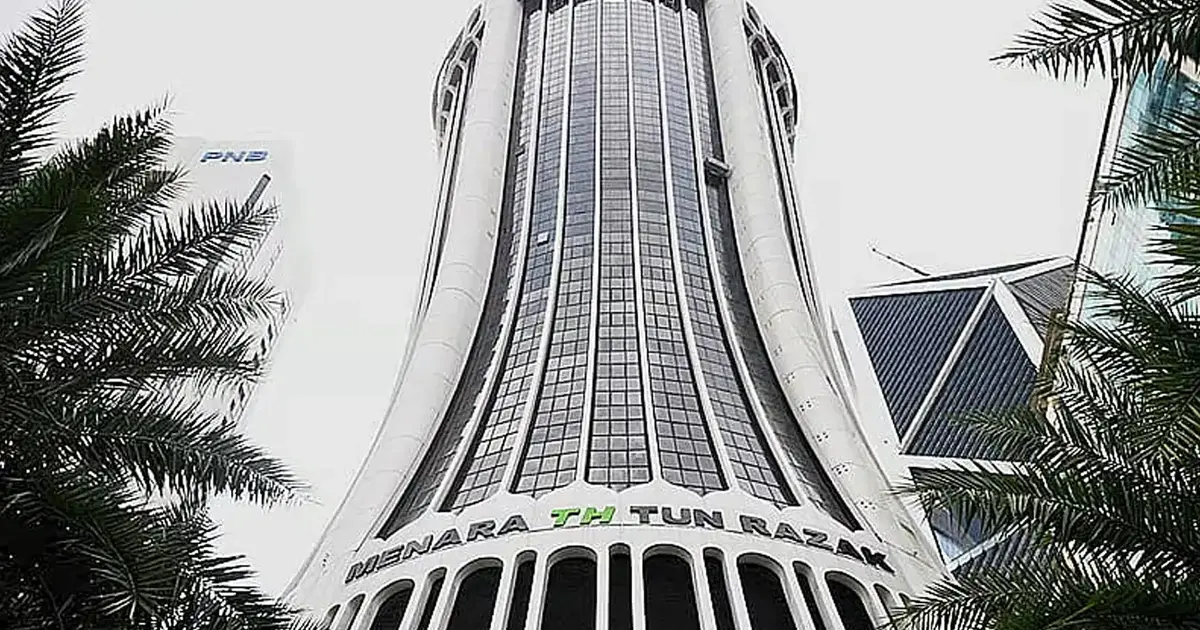
The Malaysian Anti-Corruption Commission has escalated its investigation into Tabung Haji by deploying eight officers to the fund's Kuala Lumpur headquarters for an extensive document examination. The move signals a deepening inquiry into the operations of the nation's largest pilgrimage financing institution, which has faced mounting scrutiny over its financial management and governance practices in recent years.
The presence of MACC officers at Tabung Haji's main office reflects the seriousness with which the anti-corruption body is treating allegations surrounding the fund. Tabung Haji, formally known as the Pilgrims Management and Fund Board, serves as a critical financial mechanism for Malaysian Muslims undertaking the Hajj pilgrimage to Mecca. The institution manages billions of ringgit in savings and investments from over 5 million account holders nationwide, making it one of the country's most significant financial entities in terms of public trust and capital under management.
The investigation appears to focus on documentary evidence that may illuminate potential irregularities within the organisation's administrative framework. By sending a sizeable team to the headquarters rather than requesting documents through formal channels, the MACC is conducting what amounts to a targeted examination of records that investigators believe warrant immediate scrutiny. This approach typically indicates that authorities suspect the issues in question may require cross-referencing multiple documents and examining the context within which decisions were made.
Tabung Haji has experienced considerable challenges over the past decade, with particular concerns emerging about investment decisions and the prudence of its capital allocation strategies. The fund reported significant losses in certain investment portfolios during periods of market volatility, prompting questions about risk management oversight and the adequacy of governance structures designed to protect pilgrim savings. These financial difficulties have resonated deeply within the Muslim community, given that Tabung Haji savings represent personal religious commitments and life savings for many Malaysians.
The timing of this investigation also occurs within a broader context of enhanced scrutiny of government-linked institutions and their financial stewardship. Malaysian civil society and political observers have increasingly demanded transparency and accountability from major funds and bodies entrusted with public assets. For religious institutions particularly, the stakes are elevated given the sacred trust implicit in managing funds dedicated to fulfilling one of Islam's five pillars.
Tabung Haji's leadership and board of directors face potential questions regarding their fiduciary responsibilities and decision-making processes. The MACC investigation may examine areas including investment committee approvals, the appointment of fund managers, the receipt and approval of financial advice from external consultants, and the degree to which risk protocols were followed. Any documentation gaps or evidence of circumventing proper procedures could form the basis for further action.
For ordinary account holders, the MACC intervention represents both reassurance and concern. The investigation demonstrates that accountability mechanisms exist to scrutinise how their hajj savings are managed, addressing widespread anxiety within the Muslim community. Simultaneously, the investigation itself may reignite concerns about the security of these deposits and whether account holders' interests have been adequately protected throughout the period under examination.
The implications extend beyond individual savers to affect Malaysia's broader reputation for institutional governance. International Islamic finance observers and hajj industry stakeholders monitor such investigations closely, as they reflect the standards of transparency and accountability within Malaysia's Islamic financial institutions. Any findings of misconduct could have ramifications for the country's standing within global Islamic finance circles and among potential future pilgrims considering whether to entrust funds with Malaysian institutions.
Previous controversies at Tabung Haji have included questions about property acquisitions, investment decisions in overseas markets, and the adequacy of internal controls. The comprehensive nature of the current MACC inquiry suggests that investigators are examining whether systemic weaknesses in governance allowed problematic decisions to proceed unchecked. This may encompass reviewing correspondence, approval documents, financial statements, and records of board and committee meetings spanning several years.
The investigation also highlights persistent tensions between the autonomy of religious institutions and the oversight responsibilities of secular anti-corruption authorities. While Tabung Haji operates as a religious organisation with cultural significance, its status as a government-linked entity and its management of vast sums of public money means it falls within the MACC's purview. Balancing respect for the institution's religious character with the need for rigorous accountability remains a delicate consideration for authorities.
Stakeholder groups, including pilgrim associations and consumer advocacy organisations, are likely monitoring developments closely. Many have long called for greater transparency in how Tabung Haji operates and has historically invested pilgrim funds. The MACC's active involvement may provide a catalyst for broader institutional reforms and enhanced disclosure standards, potentially benefiting account holders through improved governance frameworks.
The investigation's outcome could influence future governance arrangements at Tabung Haji and possibly prompt legislative or regulatory changes affecting how religious financial institutions operate in Malaysia. Any findings that suggest systemic failures may result in institutional restructuring, leadership changes, or enhanced oversight mechanisms designed to prevent recurrence of identified issues.

