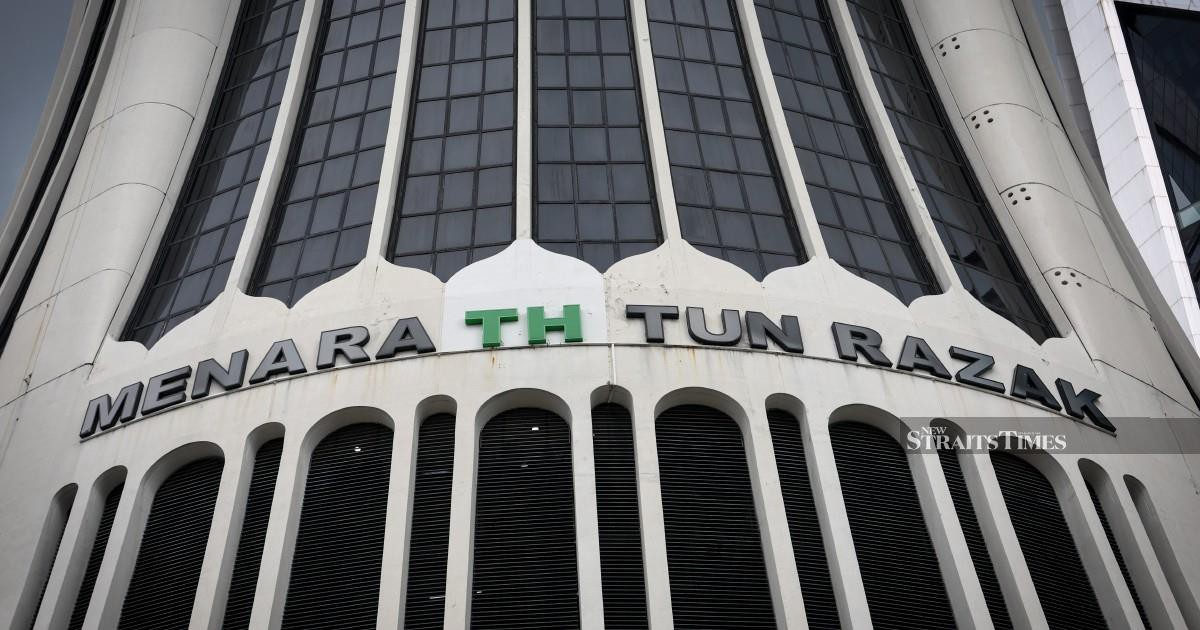
An anti-corruption watchdog has intensified scrutiny over Malaysia's financial oversight mechanisms, demanding a comprehensive review of the National Audit Department following the emergence of a RM4.8 billion variance in competing reports about Lembaga Tabung Haji's financial position. The stark divergence between findings documented in the Royal Commission of Inquiry report and the audit department's assessment of the Islamic pilgrimage fund has raised serious questions about the consistency and reliability of Malaysia's institutional checks on public finances.
The discovery of such a substantial numerical gap represents more than a mere accounting discrepancy—it signals potential weaknesses in how government agencies verify and report on the management of public funds entrusted to state-linked institutions. Tabung Haji, which administers savings from millions of Malaysian Muslims preparing for the Hajj pilgrimage, holds considerable public significance both financially and spiritually. When the figures underpinning its financial health diverge so dramatically between official investigations and audit bodies, public confidence in institutional governance erodes significantly.
The National Audit Department's mandate centres on scrutinising government spending and ensuring financial accountability across public sector organisations. Its role is foundational to parliamentary oversight and democratic accountability, making any questions about its processes and conclusions matters of genuine public interest. The RM4.8 billion discrepancy suggests either that one investigation failed to capture complete financial data, or that differing methodologies produced incompatible conclusions—both scenarios warrant serious examination and explanation.
The Royal Commission of Inquiry's involvement indicates that concerns about Tabung Haji's management had reached sufficiently serious levels to warrant establishment of this special investigative body. RCI reports typically conduct intensive, specialist examination of specific matters deemed significant enough to justify extraordinary investigative powers. That such an investigation produced findings substantially at odds with the National Audit Department's assessment creates a credibility puzzle for policymakers and the public attempting to understand the true financial condition of the fund.
For Malaysian citizens and potential Hajj pilgrims, these competing narratives about Tabung Haji's finances generate legitimate anxiety about the safety of their accumulated savings. The fund operates on trust—individuals contribute portions of their earnings over years or decades, confident that these resources will be properly preserved and available when pilgrimage becomes possible. Financial confusion at this institutional level undermines that confidence relationship, particularly among ordinary Malaysians whose financial literacy may not extend to unravelling technical accounting disputes.
The call for departmental review carries broader implications for Southeast Asia's governance landscape. As Malaysia positions itself as a leader in Islamic finance and governance within the region, institutional credibility becomes a competitive advantage. International investors and partner nations monitor the integrity of Malaysian financial oversight closely. Visible gaps between official audit findings and investigative commission reports risk damaging perceptions of Malaysia's institutional reliability, potentially affecting investment flows and bilateral confidence.
A rigorous audit department review should examine whether institutional protocols adequately capture complete financial data, whether staff possess sufficient expertise to evaluate complex instruments used by sophisticated state-linked enterprises, and whether communication channels between different investigative bodies functioned effectively. Additionally, the review might consider whether the National Audit Department's operational structure and independence provisions remain robust enough to withstand scrutiny in cases involving politically or commercially sensitive institutions.
The timing of this discrepancy's public emergence also matters. If the RM4.8 billion variance remained undetected until now, questions arise about whether similar gaps might exist elsewhere in the public sector without becoming apparent. The revelation suggests either improved scrutiny—which is positive—or longstanding diagnostic blindness within institutional oversight mechanisms—which is deeply concerning for Malaysian governance.
Moving forward, reconciling these divergent findings should become a priority not merely for administrative completeness but for restoring public trust in institutional accountability. Transparent explanation of where and why the figures diverged, clear identification of which account most accurately reflects Tabung Haji's true financial position, and concrete remedial measures demonstrating institutional responsiveness will collectively demonstrate whether Malaysia's governance structures can effectively correct themselves when failures emerge. The anti-corruption watchdog's intervention suggests that at least some institutional players remain committed to genuine accountability, even when scrutinising other government bodies.

