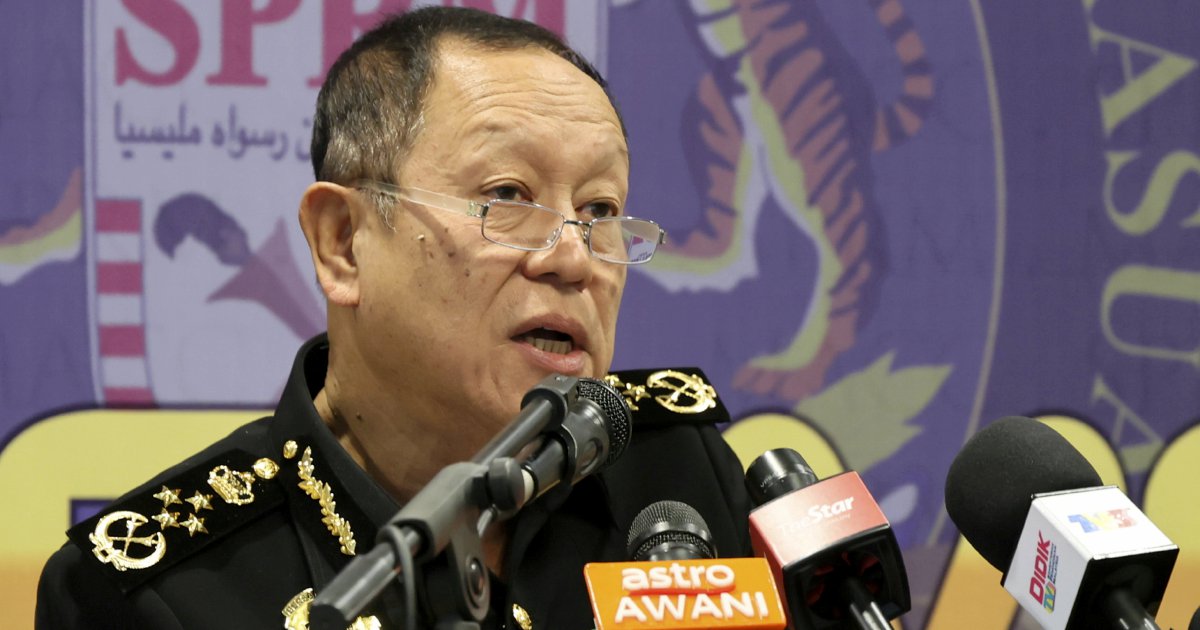
The Malaysian Anti-Corruption Commission (MACC) has formally initiated a probe into the Royal Commission of Inquiry (RCI) report concerning Tabung Haji, dispatching an investigative team to the Islamic pilgrimage fund's headquarters in Putrajaya as the first step in what could prove to be a significant accountability process for the institution.
This development marks a decisive move by the anti-corruption body to translate the RCI's findings into concrete enforcement action. The deployment of investigators to Tabung Haji's offices signals the MACC's commitment to examining matters flagged by the inquiry and determining whether any violations of anti-corruption laws have occurred. The establishment of a physical presence at the headquarters will enable the commission to access documents, conduct interviews with relevant personnel, and build its investigative case systematically.
Tabung Haji, formally known as Lembaga Tabung Haji, holds immense significance for Malaysian Muslims as it manages savings and facilitates pilgrimage to Mecca for millions of contributors. The fund's governance and financial stewardship are matters of considerable public concern, particularly given the trust placed in it by ordinary Malaysians setting aside funds for one of Islam's Five Pillars. Any mismanagement or misconduct within the institution carries both moral and practical implications for the broader Muslim community and the nation's reputation in managing Islamic financial institutions.
The RCI's investigation into Tabung Haji was established to examine various concerns surrounding the organisation's operations and decision-making processes. While the specific findings and recommendations of the RCI report have not been detailed in public announcements, the gravity of MACC's intervention suggests the inquiry identified matters sufficiently serious to warrant criminal investigation. This progression from administrative inquiry to criminal investigation represents an escalation in scrutiny and indicates that preliminary findings may have crossed the threshold requiring law enforcement involvement.
The timing of this investigation arrives amid broader international attention to financial governance standards in Southeast Asia. Malaysia's reputation for tackling corruption through institutional mechanisms like the MACC carries weight in regional and global financial circles. The willingness to investigate a high-profile institution managing public funds demonstrates the commission's operational independence and signals to investors and rating agencies that Malaysia takes accountability seriously, regardless of an entity's cultural or religious significance.
For contributors to Tabung Haji, the investigation presents both reassurance and anxiety. On one hand, rigorous examination of any alleged wrongdoing protects their interests and their accumulated savings. On the other hand, questions arise about whether any discovered malfeasance might affect the fund's financial stability or their ability to undertake the pilgrimage. The MACC's work will need to balance thorough investigation with transparency that maintains public confidence in the institution's integrity.
The investigation also carries implications for Tabung Haji's management and governance structures going forward. Should the probe substantiate allegations of misconduct, it may prompt comprehensive reforms in institutional oversight, internal controls, and accountability mechanisms. Such reforms could serve as a model for other government-linked or religiously significant institutions managing public resources. The process may necessitate leadership changes, revised operational procedures, or enhanced external auditing arrangements to prevent future irregularities.
Regionally, Malaysia's approach to investigating Tabung Haji demonstrates how Southeast Asian nations are increasingly willing to apply uniform corruption standards across different institutional categories, including religious or cultural organisations. This trend reflects evolving governance expectations and the influence of international financial scrutiny on domestic anti-corruption practices. Other countries in the region may view Malaysia's handling of this case as precedent for their own investigations into comparable institutions.
The MACC's operational capacity will be tested by this investigation. The commission must coordinate with Tabung Haji's internal operations, potentially examine complex financial transactions, and review decision-making processes spanning multiple years or administrations. Investigators will need to distinguish between poor management and intentional misconduct, a distinction critical to determining whether charges are warranted. This technical and analytical dimension of the probe will consume substantial investigative resources.
Public patience for outcomes will factor into the investigation's broader impact. Rapid progress toward clear findings and accountability measures would strengthen faith in Malaysia's anti-corruption machinery. Conversely, protracted proceedings without visible progress could generate cynicism about enforcement effectiveness. The MACC faces pressure to deliver results that satisfy both the Muslim community whose trust the institution holds and the broader Malaysian public expecting transparent governance across all significant institutions.
The investigation into Tabung Haji represents a critical test of Malaysia's institutional integrity systems. How thoroughly the MACC pursues this matter, what findings emerge, and what consequences follow will shape perceptions of whether accountability mechanisms function uniformly regardless of an institution's religious, cultural, or political significance. For Malaysian Muslims and the wider public, the coming months will reveal whether concerns raised by the RCI translate into meaningful reforms and, if warranted, appropriate sanctions against those responsible for any wrongdoing.

