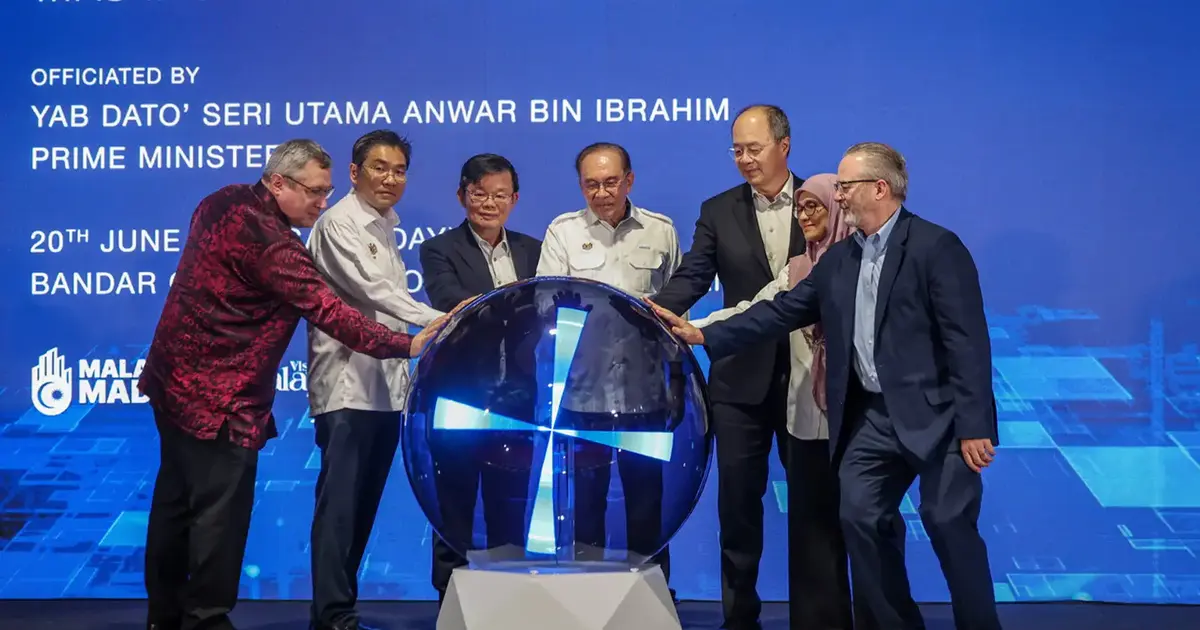
Prime Minister Anwar Ibrahim has moved to strengthen the nexus between Malaysia's semiconductor manufacturers and university research facilities by appointing a dedicated adviser to the role. The decision underscores the government's recognition that technological advancement in this critical sector depends on deeper institutional partnerships and knowledge transfer between industry practitioners and academic researchers.
The appointment carries particular significance for Malaysia's economic strategy. The semiconductor industry remains one of the nation's most valuable export sectors, but competing globally requires continuous innovation supported by research infrastructure. By creating this advisory position, the government signals its commitment to nurturing this ecosystem without imposing additional budgetary burdens, an important consideration given Malaysia's fiscal constraints.
The role of such an adviser typically encompasses identifying collaboration opportunities between corporate laboratories and university departments, facilitating funding arrangements for joint research projects, and helping align academic curricula with industry skills requirements. In Malaysia's context, this is especially relevant as the country seeks to move beyond merely manufacturing semiconductors designed elsewhere to developing local research and design capabilities.
Universities across Malaysia have established semiconductor research centres in recent years, including programmes in microelectronics, materials science, and chip design. However, these academic efforts often operate independently from the commercial realities facing companies like Penang-based wafer producers and assembly facilities. The adviser role can serve as a crucial intermediary, translating corporate innovation priorities into fundable research proposals and helping academics understand market timelines and commercial viability.
The appointment also reflects growing regional competition. Countries including Taiwan, South Korea, and Singapore have long maintained structured partnerships between their semiconductor industries and universities, creating pathways where fresh graduates immediately possess industry-relevant knowledge and research teams maintain connections to practical manufacturing challenges. Thailand and Vietnam, meanwhile, are developing their own semiconductor ecosystems with similar institutional coordination. Malaysia must match this sophistication to retain its position in regional semiconductor supply chains.
For Malaysian technology companies, the adviser can facilitate access to cutting-edge research without bearing full development costs. Universities benefit equally by gaining exposure to real-world engineering problems that enrich student education and provide data for scholarly publications. This reciprocal arrangement strengthens both sectors while distributing development risks and expenses.
The decision to avoid additional government spending deserves attention because it suggests the adviser role may be filled internally, possibly by reassigning responsibilities within the Prime Minister's office or existing departments, or through secondment arrangements where a senior industry figure accepts the position pro bono. This pragmatic approach demonstrates fiscal discipline while still advancing policy objectives, a balancing act Malaysian policymakers must constantly navigate.
Malaysia's semiconductor industry faces a pivotal moment. Global supply chain reshuffling following pandemic disruptions and geopolitical tensions has repositioned Southeast Asia as increasingly vital to international manufacturing. Foreign companies are actively exploring alternatives to over-concentrated production regions. Universities training the next generation of semiconductor engineers and researchers therefore hold strategic national value. An adviser who can unlock productive collaboration stands to influence outcomes extending well beyond immediate corporate partnerships.
The initiative also addresses a longstanding Malaysian challenge: translating promising research into commercial products and companies. The country has produced capable scientists and engineers, yet relatively few semiconductor start-ups have emerged domestically compared to comparable economies. An adviser positioned to support entrepreneurial ambitions emerging from university research could catalyse spin-off companies and strengthen the entire innovation ecosystem.
International experience suggests such advisory appointments work best when backed by concrete mechanisms—dedicated funding pools for industry-university projects, simplified approval processes for collaborative research, and clear pathways for technology commercialisation. The adviser's effectiveness will ultimately depend on whether government ministries and agencies provide supporting infrastructure and whether industry players actively engage with proposed collaboration initiatives.
For Malaysian policymakers monitoring global semiconductor trends, this appointment represents thoughtful engagement with a critical sector. The industry directly employs tens of thousands and contributes substantially to export earnings and foreign exchange reserves. Strengthening university-industry linkages potentially yields compounding benefits through improved competitiveness, enhanced innovation capacity, and a more skilled workforce better prepared for evolving manufacturing requirements.
The timing aligns with broader government efforts to position Malaysia as an increasingly sophisticated player in global technology supply chains rather than merely a low-cost assembly location. This transition requires the human capital, research capability, and institutional coordination that universities and advisory mechanisms can provide. Whether this particular appointment succeeds may well demonstrate how seriously the government pursues deeper technological ambitions.