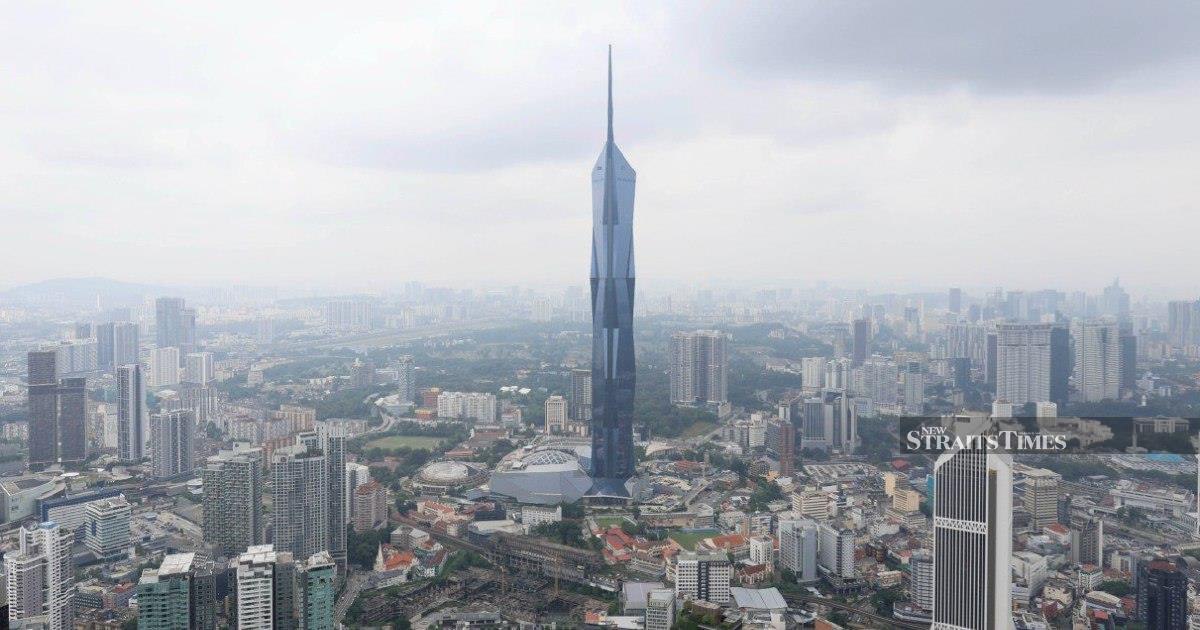
Prime Minister Datuk Seri Anwar Ibrahim has called on Malaysians to pray for the haze to ease before the nation marks National Day on August 31, expressing concern that deteriorating air quality could dampen the country's most significant patriotic occasion. Speaking from Cyberjaya, the Prime Minister acknowledged the persistent atmospheric challenge facing the nation and sought the spiritual intercession of citizens from all faiths to help alleviate the environmental crisis.
The timing of the appeal underscores the gravity of the haze situation and its potential to disrupt one of Malaysia's most symbolically important dates. August 31 represents the anniversary of Malaysia's independence from British colonial rule in 1957, and the day traditionally features parades, flag-raising ceremonies, fireworks displays, and public gatherings across the country. Large-scale outdoor events planned for the celebration could face complications if air quality deteriorates further, as hazardous pollution levels pose health risks to participants and spectators alike.
Haze episodes in the region have become increasingly familiar to Malaysians, often stemming from transboundary smoke originating from open burning and agricultural clearing practices in neighbouring countries, particularly during the dry seasons. The phenomenon demonstrates the interconnected nature of environmental challenges in Southeast Asia, where air mass movements respect no political boundaries and affect millions across multiple nations simultaneously. Past incidents have prompted government coordination with regional partners and international diplomatic discussions about controlling the sources of smoke-generating activities.
The Prime Minister's invocation of prayer reflects the multi-faith character of Malaysian society and the government's recognition that public health crises require a unified national response. In a country where Muslims, Christians, Buddhists, Hindus, and adherents of other faiths coexist, such appeals to spiritual engagement serve to unite Malaysians across religious divisions in confronting a shared environmental threat. This approach acknowledges that environmental problems transcend sectarian boundaries and demand collective action rooted in shared values.
From a public health perspective, prolonged haze exposure carries serious consequences for vulnerable populations including children, the elderly, and those with pre-existing respiratory conditions. Schools and workplaces have previously closed during severe air quality episodes, disrupting economic activity and educational continuity. The government's concern about haze persisting through August 31 reflects legitimate worries about citizen wellbeing during what should be a joyful national celebration, not a period characterised by indoor confinement due to hazardous outdoor conditions.
The appeal also highlights the limitations of unilateral domestic action in addressing transboundary pollution. While Malaysia has implemented its own regulations on open burning and industrial emissions, the most significant source of haze typically originates from agricultural activities outside Malaysian territory. This structural reality means that resolving the haze problem ultimately requires sustained regional cooperation, technology transfer, and capacity building in neighbouring countries to develop and adopt cleaner agricultural practices.
Malaysian meteorological agencies have been monitoring atmospheric conditions closely, though predicting haze severity remains complex given the variables involved in smoke generation, weather patterns, and atmospheric circulation. The Prime Minister's statement suggests government preparations for contingency scenarios should air quality not improve sufficiently by late August, possibly including adjustments to outdoor activities or enhanced advisory systems for the public.
For regional observers, Anwar's comments illustrate how environmental challenges have become central to governance agendas across Southeast Asia. The haze issue periodically resurfaces on diplomatic agendas between Malaysia, Indonesia, and Singapore, generating international discussions about sustainable land management and the economic costs of transboundary pollution. Malaysia's experience has motivated investment in air quality monitoring infrastructure and public health protocols for responding to pollution episodes.
Citizens have historically responded to haze appeals through personal protective measures including wearing N95 masks, reducing outdoor activities, and using air purification systems indoors. However, such individual actions, though necessary, cannot fully substitute for systemic environmental management and regional coordination aimed at preventing smoke generation at its source. The Prime Minister's spiritual appeal thus complements but cannot replace technical solutions and policy interventions needed to tackle the underlying problem.
Looking ahead to National Day, the government faces the challenge of balancing festive celebrations with public health imperatives. Should haze persist, organisers may need to modify traditional outdoor events or relocate activities indoors, an approach that would fundamentally alter how Malaysians commemorate independence. The Prime Minister's public call for prayer signals both his earnest concern about the situation and an implicit acknowledgment that factors beyond government control will ultimately determine whether August 31 unfolds under clear skies or beneath the familiar haze that periodically clouds the nation's atmosphere and constrains daily life.

