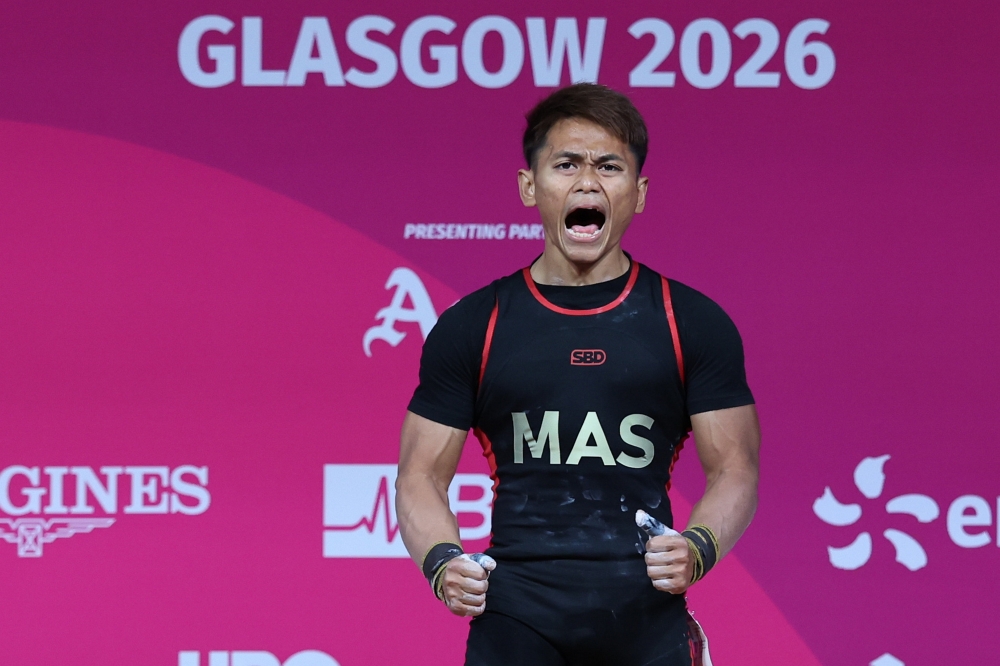
Prime Minister Datuk Seri Anwar Ibrahim has extended formal congratulations to weightlifter Mohamad Aniq Kasdan following the athlete's historic achievement of winning Malaysia's first-ever gold medal at the Commonwealth Games. The breakthrough triumph represents a watershed moment for Malaysian sport, as the nation had competed in numerous editions of the biennial Games without securing a top-tier honour at the event.
The weightlifter's victory carries profound symbolic significance for Malaysia's athletic development. For decades, Malaysian competitors have participated enthusiastically in Commonwealth Games competitions, establishing themselves in various sports from badminton to swimming, yet the elusive gold medal had remained out of reach. Aniq Kasdan's success therefore marks not merely an individual accomplishment but a collective milestone reflecting years of investment in training infrastructure, coaching expertise, and athlete development programmes across the country.
Anwar's public recognition of this achievement underscores the government's commitment to elevating sports as a national priority. In Malaysia, where badminton traditionally dominates the sporting consciousness and generates considerable international prestige, gold medals in weightlifting represent an expansion of the country's competitive reach into disciplines where Asian nations have increasingly demonstrated world-class capabilities. The Prime Minister's intervention signals that such breakthroughs merit high-level political acknowledgement and should inspire future generations seeking to represent their nation on the Commonwealth stage.
The Commonwealth Games themselves represent a crucial testing ground for athletes from smaller nations. While overshadowed globally by the Olympics, these Games provide competitive opportunities that allow developing sporting systems to benchmark progress, identify emerging talent, and refine training methodologies. For weightlifting specifically, Malaysia's success places the nation alongside other regional competitors who have systematically built programmes in strength sports over recent decades.
Aniq Kasdan's pathway to gold reflects broader trends within Southeast Asian athletics. The region has increasingly invested in specialized coaching, sports science support, and targeted talent identification to compete effectively in technical disciplines like weightlifting, shooting, and gymnastics. His achievement suggests that such investments are beginning to yield measurable returns, particularly as Malaysian athletes gain experience competing against internationally-ranked opponents in Commonwealth settings.
The political dimension of sporting achievement in Malaysia cannot be overlooked. National sporting successes often strengthen public morale and generate positive international perceptions of the country. Anwar's public congratulations serve multiple functions: recognizing genuine athletic accomplishment, demonstrating government engagement with sports development, and potentially galvanizing enthusiasm for upcoming international competitions where Malaysian athletes will represent the nation.
Looking forward, this breakthrough raises questions about sustainability. Commonwealth Games gold medals are significant but represent singular achievements unless accompanied by systematic support enabling follow-up successes. Malaysia's sports establishment must now consider whether Aniq Kasdan's victory can catalyse broader investment in weightlifting infrastructure, potentially developing the discipline as a consistent medal source at future Games and international competitions like the Asian Games or Olympic Games.
The weightlifter's success also carries implications for younger Malaysians considering athletic careers. Role models achieving recognition at prominent international competitions inspire participation in their respective sports. A gold medal from a Malaysian weightlifter may encourage other young athletes to pursue strength sports rather than defaulting to traditional Malaysian sporting preferences, thereby diversifying the nation's competitive portfolio.
Regionally, Malaysia's first Commonwealth Games gold medal contributes to shifting perceptions of sporting prowess within Southeast Asia. While individual nations possess different strengths—Singapore and Thailand have historically accumulated more Commonwealth Games medals—each new breakthrough demonstrates the region's growing athletic maturity. Aniq Kasdan joins a broader wave of Southeast Asian athletes achieving excellence across diverse disciplines at international competitions.
The Commonwealth Games remain relevant platforms despite occasional questions about their contemporary importance. For nations like Malaysia still developing elite sporting systems, these competitions offer valuable international exposure and competitive experience. A first gold medal signals that Malaysian programmes are maturing, that investment in coaching and facilities is producing results, and that future editions of these Games may see Malaysian athletes competing successfully across multiple disciplines rather than simply participating.
As Anwar acknowledged Aniq Kasdan's achievement, he implicitly recognized that sporting excellence requires sustained commitment from government, sports organizations, corporate sponsors, and individual athletes. Malaysia's breakthrough suggests this ecosystem is functioning effectively, at least within weightlifting. Whether this success can be replicated across other sports and sustained across future Commonwealth Games will determine whether this moment represents a genuine turning point in Malaysian athletics or a singular achievement awaiting replication.

