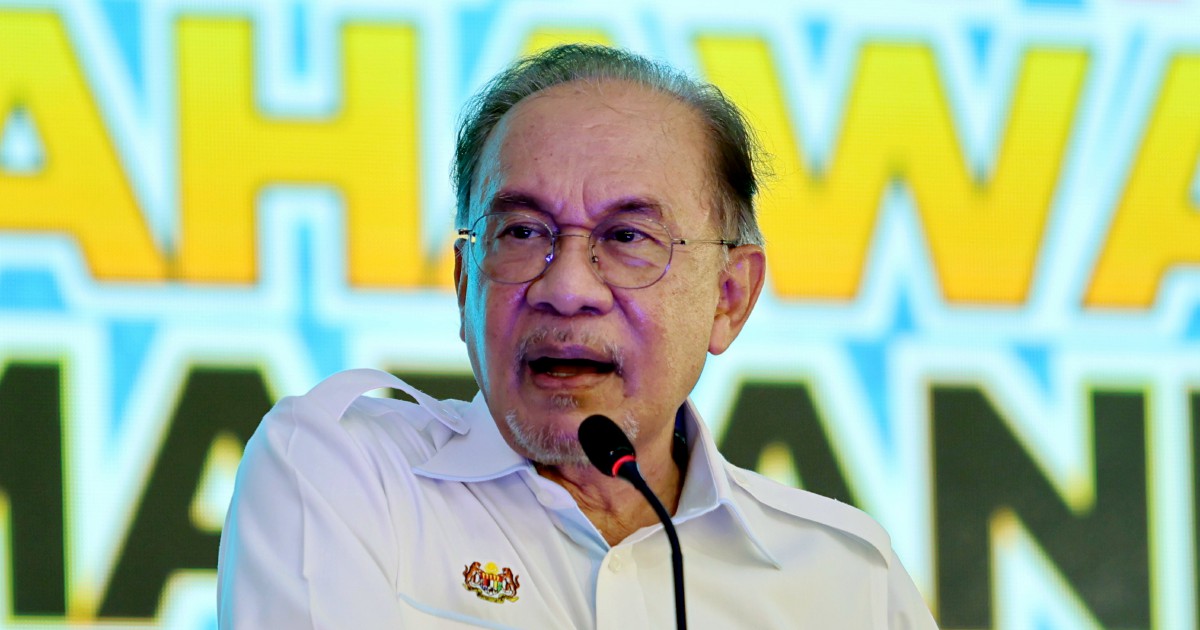
As the Negri Sembilan state election campaign races toward its 11.59pm deadline tonight, Prime Minister Datuk Seri Anwar Ibrahim and fellow Pakatan Harapan leaders have strategically pivoted to social media platforms, with TikTok emerging as the chosen medium for their closing appeals to voters. The shift underscores the evolving landscape of political communication in Malaysia, where reaching younger demographics and viral potential have become crucial components of modern electoral strategy.
The deployment of TikTok by the Prime Minister's office reflects an intentional recognition that traditional campaign channels may no longer capture the full spectrum of the electorate. Social media platforms, particularly those with algorithms favouring short-form video content, have fundamentally altered how politicians engage with constituents, especially those under 40 who constitute an increasingly significant voting bloc. By leveraging TikTok's accessibility and shareability, Anwar's campaign team aims to ensure their final message resonates beyond conventional news cycles and reaches voters through their preferred digital channels.
The timing of this social media offensive carries strategic weight. With mere hours before campaigning officially concludes, the use of TikTok allows for rapid deployment of messages without the gatekeeping that traditional media outlets might impose. This direct-to-voter approach bypasses intermediaries and enables the government to frame narratives precisely as intended. In a closely contested state election, such final messaging can prove decisive in swaying undecided voters or energising the base during the critical final hours.
Packatan Harapan's coordinated effort across multiple party leaders indicates a structured rather than haphazard approach to social media campaigning. By presenting a unified front through TikTok, the coalition seeks to amplify its core messaging while demonstrating party cohesion ahead of the polls. In Malaysian politics, where coalition unity has historically been fragile, presenting a consolidated front carries symbolic importance alongside its practical campaign value.
The Negri Sembilan state election itself holds significance within the broader Malaysian political context. As a traditionally pivotal state, the outcome could signal whether the federal government's current popularity translates downward to the state level and whether voters maintain confidence in Anwar Ibrahim's administration after more than a year in power. An impressive showing would strengthen the Prime Minister's mandate, while underperformance might invite scrutiny of his leadership effectiveness and coalition cohesion.
The shift toward TikTok also reveals calculations about which platforms yield the highest engagement rates for political content. While traditional Malaysian media demographics lean older, TikTok's Malaysian user base numbers in the millions, with particularly strong adoption among Gen Z and younger millennials. Politicians increasingly recognise that ignoring these platforms risks ceding influence over a generation of voters who derive significant portions of their information and opinions from social media feeds rather than television news or broadsheet publications.
This campaign approach raises broader questions about political equity and access in Malaysia's digital age. Parties with superior technical capabilities and larger advertising budgets can saturate platforms like TikTok with polished content, potentially disadvantaging smaller parties or independent candidates. As Malaysian elections increasingly play out on social media, the implications for democratic fairness warrant scrutiny from election observers and civil society watchdogs.
For Negri Sembilan specifically, the TikTok blitz represents an attempt to capture momentum during the campaign's final stretch. State elections often generate less media coverage and voter engagement than their federal counterparts, making the concentrated final push even more critical. Leaders recognise that many voters only consolidate their choices in the final days before polling, making late-stage messaging particularly consequential.
The use of TikTok by a sitting Prime Minister also normalises social media as a legitimate platform for high-level political communication in Malaysia. Previous election cycles witnessed some use of Facebook and Instagram by politicians, but the scale of TikTok deployment by Anwar's office signals a generational shift in how the nation's top leadership conducts electoral campaigns. As global political trends increasingly emphasise digital-first strategies, Malaysian politicians appear intent on remaining current with international practises while adapting them to local contexts.
The effectiveness of this final TikTok campaign push will likely become apparent only after voters cast their ballots. However, the strategic choice itself reflects political operatives' conviction that digital channels now constitute essential infrastructure for reaching voters, alongside traditional rallies, door-to-door canvassing, and conventional media placements. Whether Anwar's TikTok messages ultimately sway undecided voters or simply reinforce existing support will provide important lessons for how Malaysia's political parties approach subsequent electoral contests.

