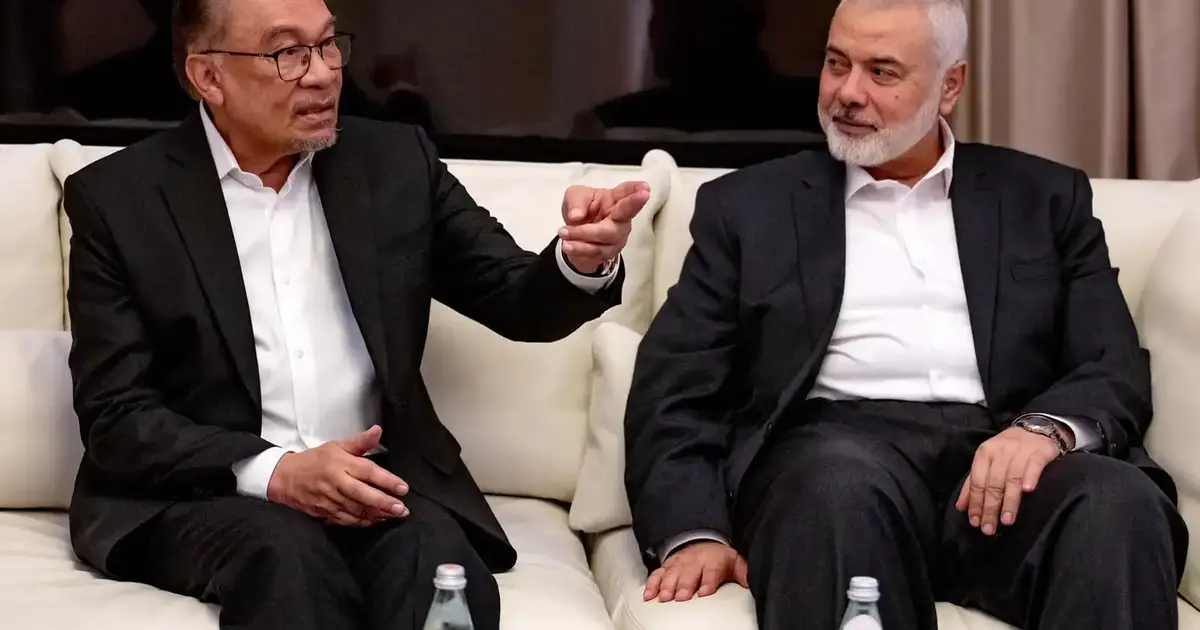
Prime Minister Anwar Ibrahim has categorically denied allegations suggesting that members of Hamas, the Palestinian political and militant organisation, have been operating training programmes on Malaysian soil. The assertion, which touched on sensitive geopolitical concerns, prompted the premier to issue an unequivocal rebuttal, characterising the claims as entirely without factual basis.
The denial carries particular weight given Malaysia's delicate position within regional and international diplomatic frameworks. The country maintains complex relationships with both Western powers and Middle Eastern states, requiring careful navigation of sectarian and political divisions that span continents. Anwar's swift response underscores the seriousness with which his administration treats accusations that could implicate Malaysia in activities deemed terrorism-related by Western governments, particularly the United States.
Beyond the immediate dismissal, Anwar disclosed that he had proactively informed US President Donald Trump about his historical contact with a Hamas leadership figure. This revelation suggests a strategic approach to transparency designed to preempt potential complications in bilateral relations between Kuala Lumpur and Washington. By voluntarily disclosing the nature and context of such meetings, the Malaysian premier appears intent on demonstrating good faith engagement with American leadership and preventing misunderstandings that might arise from external claims or incomplete information.
The timing of these developments reflects ongoing global tensions surrounding Palestinian-Israeli dynamics and their reverberations across Southeast Asia. Malaysia has long maintained its support for Palestinian causes through diplomatic channels and humanitarian commitments, yet the country simultaneously depends on American investment, security cooperation, and technological partnerships essential to its economic and defence infrastructure. This intersection of competing interests creates a perpetual balancing act for Malaysian policymakers.
Anwar's reference to his previous meeting with a Hamas representative requires contextualisation within Malaysia's broader diplomatic history. Malaysian leaders, including those in opposition roles, have periodically engaged with various Palestinian factions as part of the nation's consistent advocacy for Palestinian rights. Such contacts, common among many nations and non-governmental actors, do not necessarily imply operational cooperation or institutional support. The clarification to Trump suggests the PM recognises that American perception of such diplomatic engagement may differ substantially from Malaysian understanding of these interactions.
The allegations themselves warrant examination regarding their origins and motivations. Unsubstantiated claims about terrorist training facilities frequently circulate through various intelligence channels and media outlets, often reflecting broader geopolitical positioning rather than verified intelligence. The Malaysian government's willingness to engage directly with such accusations, rather than dismissing them entirely, indicates both confidence in its domestic security apparatus and awareness of reputational sensitivities in international relations.
From a domestic security perspective, Malaysia's Internal Security Act and counter-terrorism frameworks provide substantial mechanisms for preventing unlawful militant activities within its territory. The country has demonstrated commitment to combating transnational terrorism and radical extremism, with law enforcement agencies maintaining active monitoring of potential security threats. The government's confident rejection of these allegations implicitly rests upon the operational effectiveness of these existing safeguards.
For regional observers, particularly those in Southeast Asia who share similar concerns about security and maintaining stable relationships with major powers, Malaysia's response provides a template for managing sensitive allegations in an interconnected world. The simultaneous denial of substantive claims while offering transparency about high-level contacts reflects a nuanced diplomatic approach that acknowledges both national sovereignty and international expectations regarding security cooperation.
The broader implications extend to Malaysia's positioning within American strategic calculations for Southeast Asia. Washington maintains significant interests in the region encompassing trade, military partnerships, and counter-China strategies. For Malaysia, demonstrating reliability as a democratic nation committed to international security norms while maintaining independent foreign policy positions requires constant recalibration of public messaging and private assurances.
Anwar's explicit engagement with this issue also signals to domestic audiences, particularly segments sceptical of his administration's approach to Western relationships, that Malaysian support for Palestinian causes remains compatible with pragmatic foreign policy management. This domestic political dimension cannot be overlooked, as accusations of capitulating to American pressure or abandoning traditional Malaysian positions on Middle Eastern issues could undermine governmental legitimacy among certain constituencies.
Moving forward, the incident underscores the vulnerability of developing nations to reputational challenges in the contemporary information ecosystem. Unverified allegations can rapidly circulate through international media and intelligence networks, potentially affecting diplomatic relationships and economic partnerships before thorough investigation occurs. Malaysia's proactive response suggests an understanding that managing such narratives requires immediate, credible, and transparent engagement rather than protracted denial.
The episode also reflects American administration priorities under Trump, who has signalled renewed focus on counterterrorism and Middle Eastern geopolitics. Malaysia's explicit briefing of the US President demonstrates recognition that direct communication with American leadership on sensitive security matters remains essential for preventing misunderstandings that could escalate into broader diplomatic friction.

