Prime Minister Datuk Seri Anwar Ibrahim has lashed out at the Opposition for transforming the Tabung Haji crisis into a vehicle for political antagonism rather than meaningful institutional reform. Speaking through a Facebook statement, Anwar contended that deliberate attempts to cast him as the central figure in the controversy serve only to obscure deeper governance failures within the Islamic pilgrimage fund, thereby undermining efforts to restore public confidence in one of Malaysia's most vital financial institutions for Muslims.
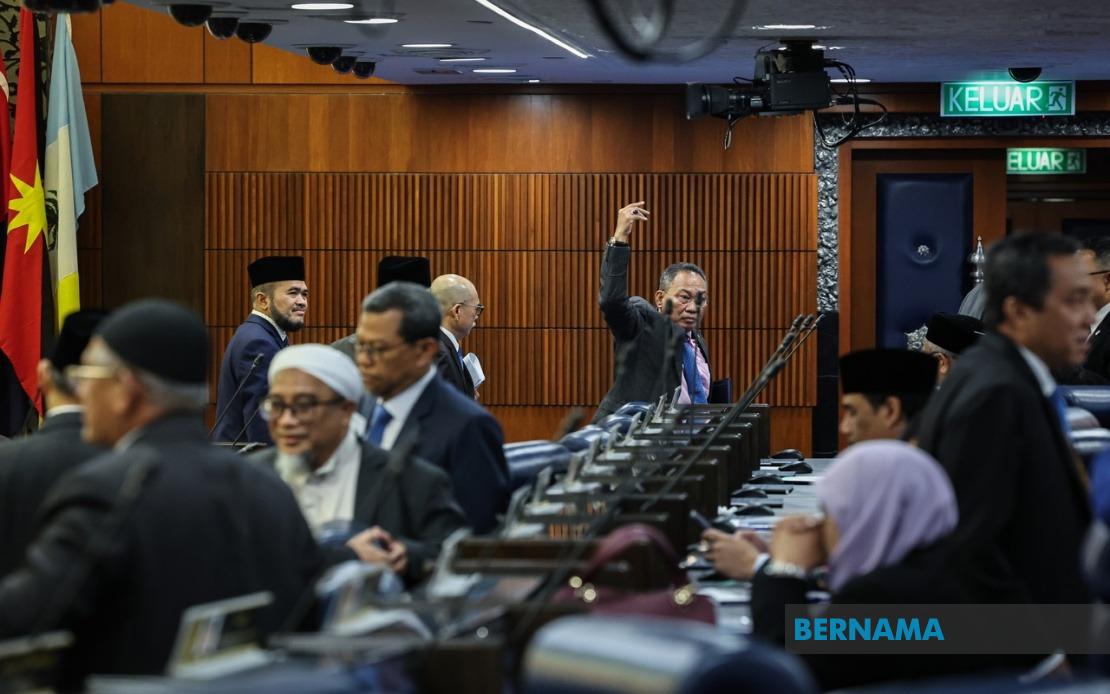
The Prime Minister's rebuke came in the immediate aftermath of a special parliamentary sitting convened to address the Royal Commission of Inquiry findings on Tabung Haji. Several Opposition parliamentarians staged a coordinated walkout from the Dewan Rakyat, refusing to participate in a ministerial briefing on the institution's recovery efforts. Their protest targeted both the Speaker's decision to proceed without Anwar's physical presence and the rejection of an adjournment motion tabled by Perikatan Nasional Chief Whip Datuk Seri Takiyuddin Hassan, signalling deeper fractures over parliamentary procedure and institutional accountability.
Anwar's absence from the chamber stemmed from medical necessities rather than political calculation. The Premier had undergone an elective laparoscopic procedure to address a para-umbilical hernia and was engaged in physiotherapy recovery when the sitting took place. The decision to proceed without him became a flashpoint for Opposition criticism, yet Anwar's subsequent statement reframed the debate entirely, positioning those who raised concerns about his absence as adversaries of Tabung Haji itself rather than legitimate critics of government performance.
The underlying substance driving this political friction centres on the 211-page RCI report released on July 29, which documented systematic weaknesses in institutional management spanning the 2014 to 2020 period. The inquiry uncovered governance lapses that had eroded the financial position of an organisation serving millions of ordinary Malaysians—fishermen, farmers, teachers, police personnel, soldiers and retirees who contribute modest savings toward fulfilling the Hajj pillar of Islam. These depositors represent Malaysia's socioeconomically vulnerable populations, making the fund's stability a matter extending far beyond technocratic finance into the realm of religious obligation and social responsibility.
Central to Anwar's counterattack was a pointed interrogation of Perikatan Nasional's stated commitment to Malay and Muslim interests. Anwar questioned whether PAS-led PN genuinely prioritised the welfare of less-privileged Tabung Haji contributors or whether opposition to government initiatives had become divorced from substantive concern for affected communities. This rhetorical manoeuvre effectively recast the parliamentary confrontation as one pitting genuine custodianship of Muslim welfare against performative opposition politics, a framing that carries significant weight in Malaysia's religiously conscious political landscape.
The RCI's 25 reform recommendations provide the technical scaffolding for institutional recovery, with Tabung Haji implementing approximately 75 per cent of these measures as of late July. This implementation rate suggests substantive governmental engagement with the inquiry's prescriptions, yet the Opposition's parliamentary conduct suggests dissatisfaction either with the pace of reform, the adequacy of proposed measures, or the allocation of accountability for historical failures. The walkout strategy implies that Opposition lawmakers viewed the special sitting as insufficient opportunity to interrogate government action or demand greater institutional transparency.
The chronology of the RCI process illuminates the extended timeline of institutional accountability. Established in 2021 and staffed in January 2022, the inquiry eventually submitted findings to Yang di-Pertuan Agong in August 2022, with public disclosure occurring only in late July 2024—a delay spanning nearly two years between royal submission and media release. This considerable lag raises questions about transparency protocols and the timeliness of public accountability mechanisms, particularly when institutions managing deposits from millions of ordinary Malaysians face significant governance challenges.
For Southeast Asian observers monitoring Malaysian institutional governance, the Tabung Haji controversy illustrates persistent tensions between parliamentary oversight and executive prerogative. The incident demonstrates how technical governance failures can become entangled with partisan positioning, potentially obscuring substantive reform imperatives beneath layers of political theatre. Opposition walkouts, while constitutionally permissible, may sacrifice parliamentary opportunity to interrogate implementation plans and hold executives accountable for concrete outcomes.
The implications for Malaysian Muslims extending beyond political boundaries deserve careful consideration. Tabung Haji serves not merely as a financial institution but as a custodian of religious obligation for millions. Depositors entrust the fund with resources specifically earmarked for hajj, one of Islam's fundamental pillars. When governance failures occur, they breach not only fiduciary duty but also breach trust in an institution fundamentally intertwined with religious practice. This dimension renders the political controversy particularly sensitive, as criticism can appear to question government commitment to Muslim welfare even when focused on narrow institutional management concerns.
Moving forward, the substance of Tabung Haji's recovery deserves more prominent focus than the political theatre surrounding parliamentary procedures. The 75 per cent implementation rate of RCI recommendations provides one metric for assessing progress, yet measurable indicators of financial stabilisation, depositor confidence restoration, and governance mechanism strengthening should constitute the actual measure of success. Whether Opposition engagement through walkouts contributes meaningfully to these outcomes remains doubtful, potentially signalling that parliamentary debate has been subordinated to tactical positioning.
Anwar's appeal, however forcefully expressed, ultimately underscores a broader Malaysian challenge: ensuring that institutions serving vulnerable populations receive rigorous, non-partisan scrutiny focused on outcomes rather than becoming proxies for wider political contests. The Prime Minister's implicit challenge to PN demands a response demonstrating genuine commitment to Tabung Haji depositors transcending parliamentary manoeuvring. For Malaysia's millions of ordinary Muslims depending on the fund to fulfil their religious obligations, substantive institutional reform matters infinitely more than which political faction claims credit for demanding accountability.

