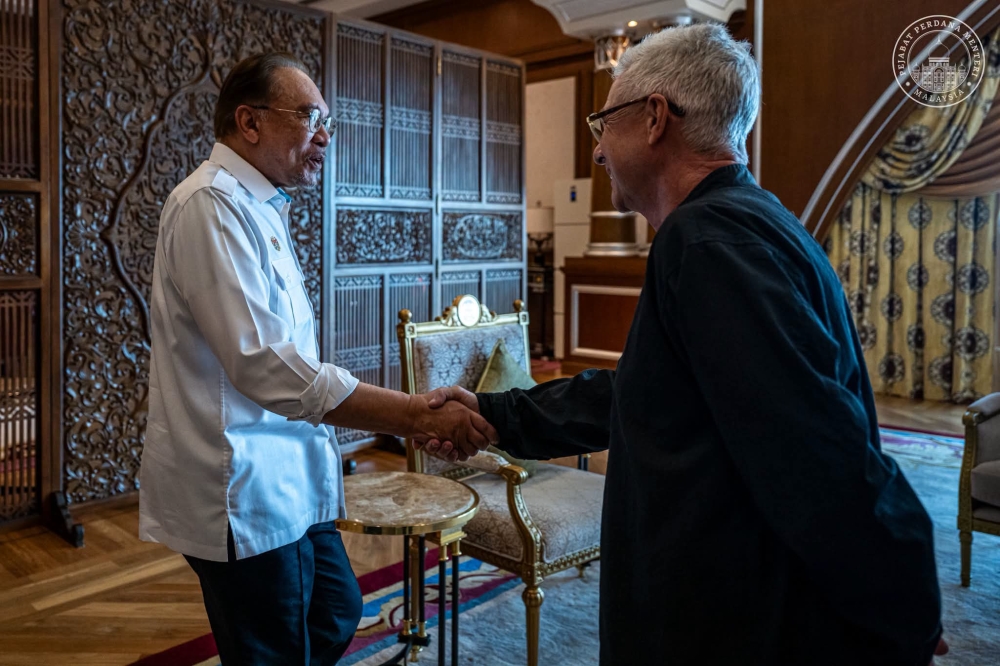
Prime Minister Datuk Seri Anwar Ibrahim has held talks with the chief organizer of the Singapore Grand Prix, signalling Malaysia's serious intent to bring Formula 1 racing back to Sepang International Circuit. The meeting underscores the government's commitment to positioning the country as a premier motorsports destination in Southeast Asia and leveraging major international events to boost the economy and tourism sector.
The discussions focused on the technical and logistical requirements for hosting a world-class Formula 1 event, as well as potential timelines for Malaysia's return to the prestigious racing calendar. Formula 1 last visited Sepang in 2017, leaving a significant gap in Malaysia's motorsports calendar and representing a loss of international prestige and economic activity. The venue has a proven track record of successfully hosting the championship, having welcomed the sport for nearly two decades before the arrangement ended.
Sepang International Circuit remains one of Asia's most sophisticated racing facilities, equipped with modern infrastructure that meets international standards for hosting major motorsports events. The circuit's capabilities and location have positioned it as an attractive option for Formula 1, though competition from other emerging markets in the region remains intense. The circuit has continued to host other major racing events and serves as a testing ground for various international motorsports competitions, maintaining its operational readiness.
The timing of the meeting reflects broader strategic efforts by the Malaysian government to enhance the country's global sporting profile and attract high-value international events. This aligns with Malaysia's vision to diversify its economy beyond traditional sectors and establish itself as a hub for premium tourism and sports infrastructure. Hosting Formula 1 would generate substantial revenue through hospitality packages, sponsorships, ticket sales, and related tourism activity that ripples through the hospitality and services sectors.
Formula 1's global reach and media coverage provide unparalleled marketing benefits for host nations. A return to Malaysia would place Sepang and the country on the international motorsports map once again, providing exposure to millions of viewers worldwide through broadcast partnerships. This visibility extends beyond the race weekend itself, creating long-term advantages for Malaysia's international brand positioning and attracting business investment to the nation.
The negotiations highlight the competitive landscape for Formula 1 hosting rights across Asia and globally. Several other venues have emerged as contenders for slots on the Formula 1 calendar, and Malaysia must demonstrate compelling advantages including financial viability, governmental support, and operational excellence. The involvement of the Prime Minister personally signals that the government views this initiative as a priority, strengthening Malaysia's bid relative to other potential candidates.
Economic considerations are paramount in these discussions. A Formula 1 Grand Prix requires substantial investment in circuit upgrades, safety infrastructure, and organizational capacity. However, the return on investment through tourism revenue, employment generation, and business opportunities can be significant. International events of this magnitude typically attract visitors from across Southeast Asia and beyond, creating multiplier effects throughout the regional economy.
The Sepang circuit's location near Kuala Lumpur provides geographic advantages compared to some competing venues, offering easy access for international visitors through the capital's well-developed transportation infrastructure. The proximity to established hotels, restaurants, and entertainment facilities enhances its attractiveness as a destination. Additionally, Sepang's experience hosting Formula 1 previously means that local expertise and institutional knowledge remain available to support a return to the calendar.
Stakeholder coordination will be crucial for any successful bid. Beyond government support, securing participation from corporate sponsors, hospitality businesses, and local communities is essential. The previous Formula 1 editions at Sepang demonstrate that Malaysia possesses the capacity to orchestrate complex international events, though maintaining and updating that capability is an ongoing requirement.
The broader motorsports ecosystem in Malaysia could benefit substantially from a Formula 1 return. The prestige associated with hosting the championship would elevate interest in motorsports more generally, potentially inspiring investment in grassroots racing programs and supporting the development of Malaysian racing talent. Young drivers and technicians would gain exposure to the highest standards of professional motorsport, potentially creating pathways to international careers.
Regional competition for major sporting events has intensified across Southeast Asia and Asia more broadly. Other nations are investing heavily in sports infrastructure and bidding aggressively for prestigious tournaments. Malaysia's pursuit of Formula 1 reflects recognition that major events represent valuable strategic assets in competition for regional prominence and tourist dollars.
Future discussions will likely involve detailed negotiations on financial arrangements, calendar availability, and contract terms between Malaysian organizers and Formula 1 management. The government's demonstrated commitment through high-level engagement suggests that negotiations may progress relatively quickly. However, Formula 1's calendar is tightly packed, meaning that Malaysia must identify a suitable slot that balances its own preferences with the championship's global scheduling requirements.
Successfully bringing Formula 1 back to Sepang would represent a significant diplomatic and economic achievement for the current government. The initiative demonstrates strategic thinking about Malaysia's international positioning and willingness to invest in premium sporting events that generate sustainable economic and reputational benefits for the nation.

