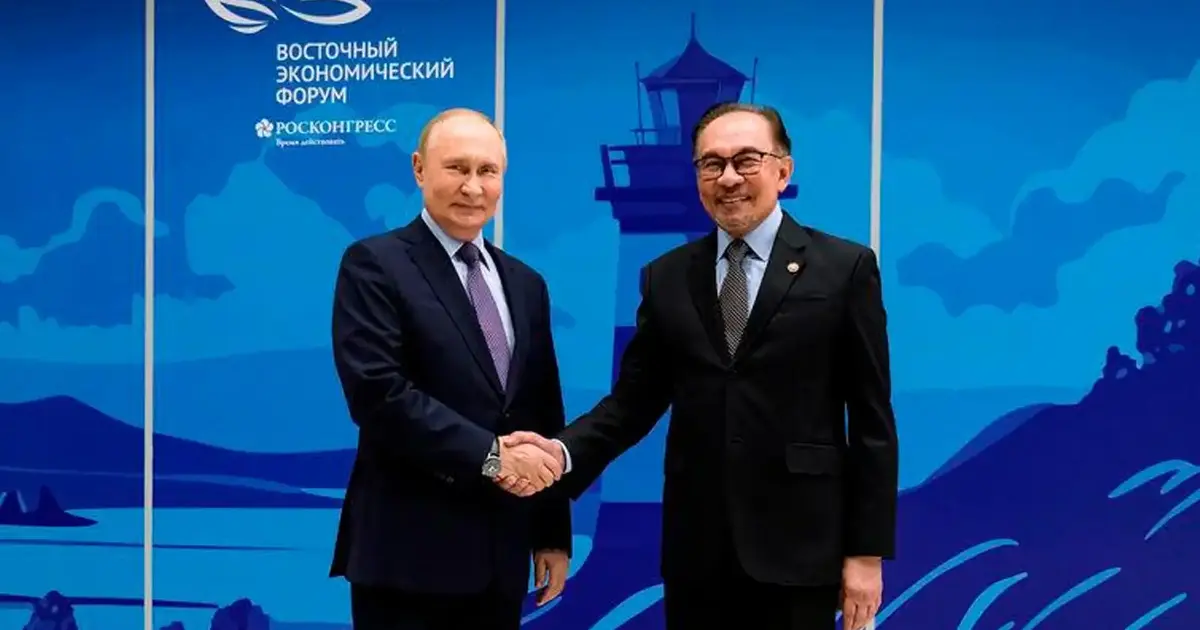
Prime Minister Anwar Ibrahim will embark on a working visit to Russia beginning tomorrow, bringing Malaysia's energy security concerns to the forefront of high-level bilateral discussions with Russian leadership. The visit represents a significant diplomatic initiative to strengthen ties between Malaysia and Russia on strategic matters affecting the region, with fuel supply emerging as a critical agenda item for Malaysia's government.
The prime minister's trip will feature multiple engagement formats, including bilateral meetings and multilateral discussions involving ASEAN leaders. This dual-track approach allows Malaysia to advance its national interests whilst contributing to a coordinated ASEAN position on key issues affecting Southeast Asian nations. The presence of other ASEAN leaders adds weight to discussions about energy security and supply chain resilience—matters of collective concern across the region.
Malaysia's interest in discussing fuel supply with Russian counterparts reflects ongoing challenges in global energy markets and the country's strategic diversification efforts. As a net energy exporter historically, Malaysia faces complex dynamics in securing stable fuel supplies for domestic consumption and industrial needs. Russia remains a significant energy producer, and dialogue with Moscow could yield insights into supply agreements, pricing mechanisms, and long-term partnership possibilities that benefit Malaysia's economy.
The timing of this visit carries geopolitical significance. Southeast Asia has sought to maintain balanced relationships with major powers, and Malaysia's proactive engagement with Russia demonstrates the region's diplomatic independence. For Malaysian readers, this signals the government's commitment to exploring multiple energy sources and partnerships rather than relying solely on traditional Western suppliers or regional alternatives. Such diversification efforts are essential for economic resilience.
Russia's energy sector faces international pressures and sanctions-related challenges, yet remains a crucial global supplier. Conversations between Anwar and Russian leadership could explore how Malaysia might benefit from Russia's expertise in petroleum extraction, refining technologies, and energy infrastructure development. These discussions may also touch on investment opportunities and technical cooperation that strengthen Malaysia's hydrocarbon sector capabilities.
The inclusion of ASEAN perspectives in these talks underscores the bloc's collective approach to energy security. ASEAN nations collectively represent substantial energy consumers and producers, making their unified voice valuable in international energy discussions. Malaysia's role in bridging ASEAN interests with Russian counterparts positions the country as an important regional intermediary in international energy diplomacy.
Domestically, Malaysia's citizens are familiar with fuel pricing debates and energy policy discussions. Government efforts to secure stable, affordable fuel supplies resonate with households and businesses alike. This diplomatic initiative signals recognition that fuel security requires proactive international engagement and relationship-building with major energy-producing nations. The prime minister's direct involvement emphasizes the priority placed on this issue.
Beyond immediate fuel supply discussions, the visit offers opportunities for broader economic cooperation. Russia and Malaysia share interests in areas including trade, investment, technology transfer, and industrial collaboration. Energy discussions often open doors for wider commercial relationships, potentially benefiting Malaysian companies seeking Russian market access or partnership opportunities.
The geopolitical landscape surrounding energy has shifted considerably in recent years. Malaysia's engagement with Russia reflects pragmatic foreign policy that transcends ideological considerations, focusing instead on national economic interests. This approach aligns with ASEAN's traditional principle of engaging all major powers whilst maintaining strategic autonomy—a cornerstone of regional stability.
For Malaysian businesses, especially those in energy-related sectors, outcomes from these high-level discussions could influence investment decisions, partnership opportunities, and supply chain strategies. A successful visit yielding concrete cooperation agreements would provide positive signals for commercial entities seeking to participate in Malaysia-Russia energy ventures.
The working visit format suggests substantive discussions beyond ceremonial meetings. Prime ministerial attendance typically indicates serious negotiating intent and the opportunity to resolve issues at the highest decision-making level. This sets conditions for achieving tangible results rather than merely exchanging pleasantries.
Looking forward, Malaysia's fuel supply strategy appears increasingly multipronged—combining domestic production optimization, regional partnerships, and strategic engagement with major global suppliers like Russia. This comprehensive approach acknowledges that energy security cannot depend on a single source or relationship, requiring continuous diplomatic effort and international relationship management to ensure stable supplies supporting Malaysia's development objectives.