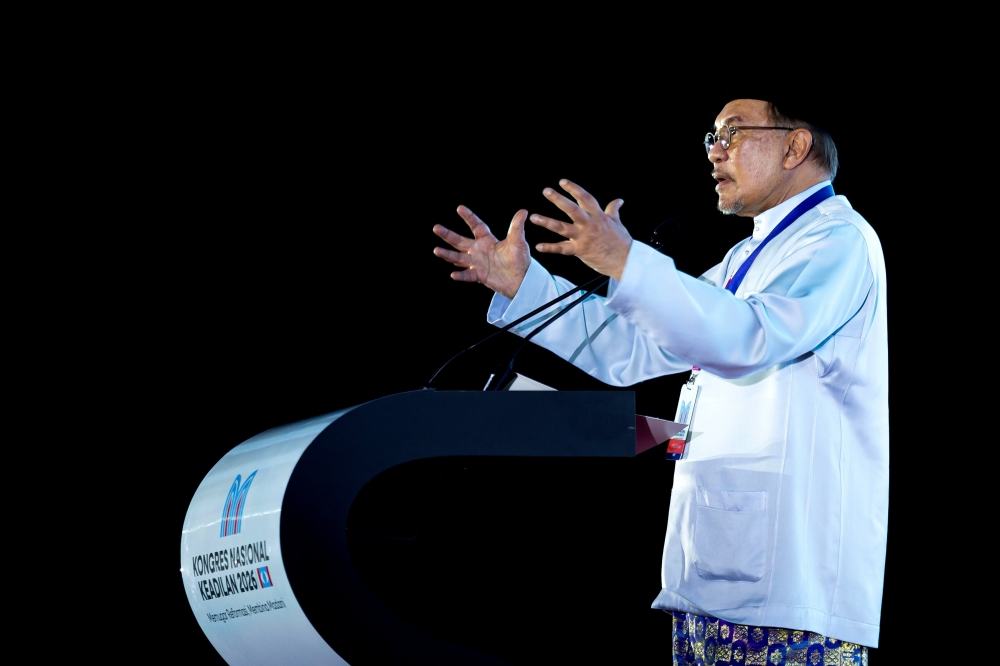
Prime Minister Datuk Seri Anwar Ibrahim indicated on Thursday that his administration would roll out several significant policy adjustments in the coming days, with the first tranche of announcements scheduled for Monday. Speaking in Melaka, Anwar underscored the urgency of these changes, hinting that they represent a departure from existing approaches across multiple policy domains. The timing of these initiatives, coming in advance of Budget 2027, suggests the government is preparing the ground for a substantial reorientation of its fiscal and administrative priorities.
The forthcoming announcements represent a calculated shift in strategy as Malaysia enters a critical phase of its medium-term economic planning. By flagging changes before the formal budget presentation, Anwar appears to be managing expectations and building narrative momentum for his administration's next chapter. This approach reflects a communications strategy that emphasises deliberate pacing of policy revelations, allowing the government to frame each announcement within a cohesive vision rather than presenting isolated measures.
Within Malaysia's political ecosystem, such advance signalling typically precedes substantial fiscal or structural changes that may affect multiple stakeholder groups. Budget cycles traditionally serve as inflection points where governments reset priorities, adjust revenue collection mechanisms, or rebalance expenditure across sectors. The Prime Minister's language—emphasising the urgency and scope of upcoming changes—suggests these are not marginal adjustments but rather decisions with measurable impact on resource allocation and government operations.
For Malaysian businesses and investors monitoring government policy direction, the Monday announcements will carry particular significance. Changes flagged as urgent often involve tax regimes, subsidy structures, or operational requirements that directly influence corporate planning and investment decisions. Southeast Asian regional investors similarly track such signals from Malaysia, a major regional economy, as they assess the stability and predictability of the Malaysian investment environment heading into 2027.
The emphasis on announcing changes before Budget 2027 itself is finalised suggests the government intends to establish policy foundations upon which fiscal measures will be built. This sequencing allows policymakers to ensure that budgetary instruments—tax incentives, spending allocations, borrowing frameworks—align with newly announced strategic directions. For citizens and civil society organisations seeking to understand government priorities, the Monday announcements will provide crucial early indication of where the administration expects to concentrate its efforts and resources.
Anwar's statement reflects broader patterns in Malaysian governance where major policy shifts are sometimes telegraphed to key constituencies before public announcement. This allows affected parties to prepare responses and adjust their own operations in anticipation of formalised changes. The Prime Minister's evident willingness to highlight forthcoming developments suggests confidence that the proposed changes enjoy sufficient political support to withstand initial scrutiny.
The budget preparation process for 2027 represents a significant undertaking given Malaysia's complex fiscal landscape. The government must balance competing demands: maintaining infrastructure investment to support long-term growth, managing debt obligations, funding social programmes, and responding to emerging economic pressures. Any major policy changes announced ahead of the budget likely address constraints or inefficiencies the government has identified within this balancing exercise.
Regionally, Malaysia's budget positioning carries implications for ASEAN economic integration and bilateral relationships. Neighbouring countries and regional institutions monitor Malaysian fiscal policy as barometer of the bloc's overall economic health. Policy announcements that signal strategic reorientation may influence regional investment flows, trade patterns, and economic cooperation frameworks that rely on Malaysia's participation.
The public's reception of Monday's announcements will be telling. In a political landscape where multiple coalition partners contribute to government formation, major policy changes require careful navigation of competing interests. The Prime Minister's confidence in flagging these changes suggests either strong internal consensus has been achieved or that he judges public support sufficient to overcome initial opposition. The actual reception will provide insight into the political feasibility of Budget 2027 itself, which must be tabled and passed through Parliament.
For observers of Malaysian politics and economics, the coming week represents a pivotal moment. The Monday announcements will establish the framework within which Budget 2027 will be debated and assessed. Whether these changes address structural economic challenges, redistribute burdens between constituencies, or represent ideological shifts in government philosophy will become clearer as details emerge. The interconnection between the announced changes and the subsequent budget presentation underscores how contemporary economic governance operates through sequenced policy revelation rather than comprehensive one-time announcements.
Looking ahead, investors, businesses, civil society, and ordinary Malaysians will scrutinise not only what changes are announced but how they are explained and justified. The narrative accompanying these policy shifts will influence public acceptance and implementation effectiveness. Anwar's decision to signal urgency suggests the government believes these changes, while substantial, are necessary and defensible within Malaysia's current economic and political context.

