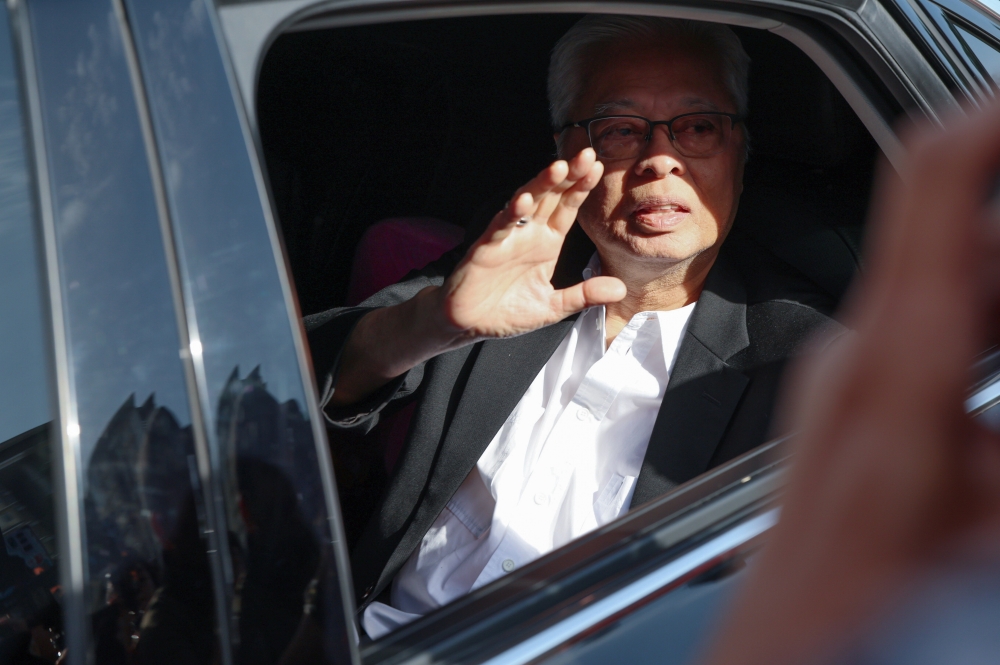
Prime Minister Datuk Seri Anwar Ibrahim made a courtesy visit to the National Heart Institute in Kuala Lumpur on Friday, stopping by to check on Deputy Prime Minister Datuk Amar Fadillah Yusof and former Prime Minister Datuk Seri Ismail Sabri Yaakob, both of whom are receiving treatment at the facility. The visit reflected the Prime Minister's gesture of solidarity with two senior political figures undergoing medical care, underscoring the tradition of parliamentary courtesy during periods of health challenges among the nation's leadership.
Fadillah, who serves as second-in-command in the federal government and leads the Gabungan Parti Sarawak, has held several cabinet portfolios throughout his political career. Ismail Sabri, his predecessor as Prime Minister who served from August 2021 to August 2022, remains an influential figure within UMNO and continues to hold significant sway within coalition politics despite stepping down from the top office. The simultaneous hospitalisation of both figures drew public attention and warranted the Prime Minister's personal intervention to demonstrate concern for their wellbeing.
The visit highlights the interconnected nature of Malaysia's political establishment, where leaders from different administrations and even former political opponents maintain bonds of personal regard. Despite the competitive dynamics that characterise electoral politics and policy disagreements between administrations, Malaysia's parliamentary tradition acknowledges the importance of extending humanitarian gestures during health crises affecting national figures. Such courtesy calls serve not merely as symbolic gestures but reinforce the unwritten codes of conduct that bind the nation's political community.
Anwar's decision to visit both men personally, rather than delegating the responsibility to other senior officials, carried particular significance. The Prime Minister conveyed warm wishes for their speedy recovery, expressing confidence in their resilience and the quality of care being provided at one of Southeast Asia's leading cardiac centres. His comments reflected genuine concern tempered with optimism about their respective medical situations.
The National Heart Institute stands as Malaysia's premier facility for cardiovascular care and has treated numerous high-profile patients over its decades of operation. The fact that both Fadillah and Ismail Sabri received treatment at this institution reflects the confidence placed in its medical expertise by the nation's political elite. The facility's reputation extends across the region, attracting patients from neighbouring countries seeking advanced cardiac treatment unavailable in their home nations.
Ismail Sabri's tenure as Prime Minister, though relatively brief by historical standards, occurred during a period of significant political realignment in Malaysia. His administration followed the dramatic collapse of the Pakatan Harapan government and preceded Anwar Ibrahim's own assumption of the premiership in November 2022. The transition between administrations had involved considerable political manoeuvring and coalition negotiations, yet the courtesy demonstrated during this hospital visit suggests that personal relationships and institutional respect have survived the vicissitudes of electoral competition.
Fadillah's position as Deputy Prime Minister in the current cabinet reflects the power-sharing arrangements that underpin the ruling coalition. Gabungan Parti Sarawak's central role in maintaining federal stability has elevated Sarawak's political profile significantly within national governance structures. His presence in the cabinet represents the continued importance of state-based representation in federal decision-making, a characteristic feature of Malaysian political architecture that differs from purely Westminster-oriented systems.
The medical situations facing both senior politicians underscore the health pressures that accompany high office. The demands of leadership, combined with the sedentary nature of many bureaucratic and parliamentary duties, create substantial health risks for senior officeholders. This reality has shaped Malaysian political succession discussions on multiple occasions, with questions about constitutional provisions, contingency planning, and the practical governance implications of sudden incapacitation among top leaders frequently surfacing in policy debates.
Anwar's visit also carries implications for coalition stability and governance continuity. The smooth functioning of government depends upon the health and functionality of key office-holders, and public gestures demonstrating concern for senior officials' wellbeing can have reassuring effects on markets, investor confidence, and popular sentiment. Political stability and perceived governmental resilience constitute key factors influencing economic performance and social cohesion in Malaysia's complex multicommunal society.
The incident reflects broader patterns within Southeast Asian politics, where personal relationships often transcend partisan divides and institutional frameworks accommodate humanitarian considerations alongside competitive electoral dynamics. Unlike some political systems where opponents maintain rigid separation, Malaysian political culture permits simultaneous competition and personal courtesy, creating a distinctive equilibrium between partisan conflict and collegial bonds.
Moving forward, the recovery of both Fadillah and Ismail Sabri will be closely watched within political circles and among the general public. Their return to full engagement in their respective roles would reinforce governmental continuity and maintain the policy momentum across multiple portfolios. The Prime Minister's visit served not only as a personal gesture but as a public affirmation of institutional continuity and the political establishment's collective commitment to maintaining stable governance structures despite inevitable challenges to leadership capacity.

