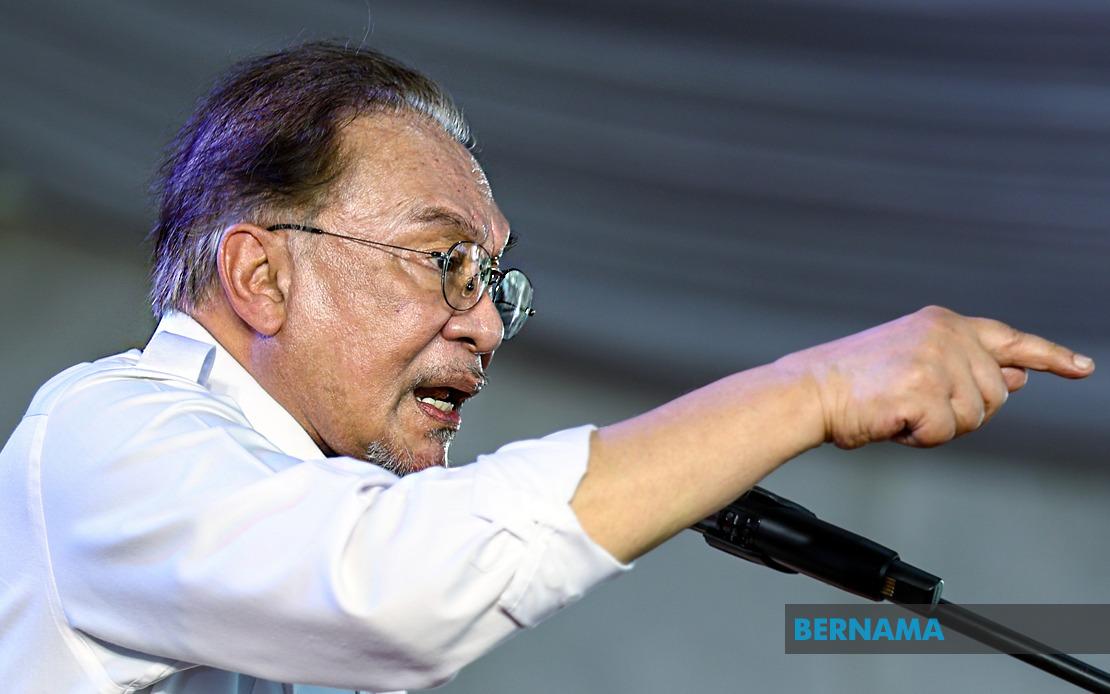
Datuk Seri Anwar Ibrahim, the chairman of Pakatan Harapan, is accelerating the coalition's electoral push across Johor with a comprehensive campaign sweep covering eight constituencies in the state's northern region. The intensive one-day tour reflects PH's determination to consolidate voter support and energise its ground machinery as the 16th Johor state election approaches its final phase. The sprawling itinerary demonstrates the coalition's strategic focus on high-impact engagement strategies designed to build momentum during what is shaping as a competitive and consequential contest.
The constituencies targeted in Anwar's campaign circuit—Layang-Layang, Senggarang, Semerah, Bukit Naning, Pemanis, Gambir, Serom, and Palong Timur—fall within the Buloh Kasap state legislative assembly seat, indicating a concentrated effort to dominate a particular geographic zone rather than dispersing campaign resources thinly across the state. This tactical approach suggests that PH strategists have identified these areas as either competitive battlegrounds or regions where the coalition believes it can capture additional support from voters who may be persuadable or currently undecided.
Anwar's schedule begins early in the morning with a breakfast programme at Warung Pak Din in Kampung Sahri at 8.55 am, followed by a meet-and-greet session in Senggarang at 10 am. The succession of community engagement events—including a neighbourhood feast, volunteer launches, and informal voter interactions—reflects a grassroots mobilisation strategy that emphasises direct personal contact between the coalition's leadership and ordinary constituents. By participating in casual dining occasions and informal gatherings, Anwar aims to present himself as accessible and attentive to local concerns, a tactic particularly effective in Malaysian electoral contexts where personal relationships and trust significantly influence voting behaviour.
The afternoon portion of the campaign involves the 'Jelajah Harapan Felda Bersama PMX' programme at Dataran Putra Palong Timur, targeting federal land development scheme communities that have historically formed a crucial voting bloc in Johor. Federal Land Development Authority (Felda) settlers have traditionally been pivotal in determining electoral outcomes, and PH's explicit focus on these communities suggests the coalition recognises their importance in the broader election strategy. Similarly, the meet-and-greet in Pemanis at Kampung Jawa indicates targeted engagement with specific residential clusters where voter concentration or receptivity appears promising.
As evening descends, Anwar's campaign continues unabated with sessions in Gambir and concludes with the 'Jelajah Johor Ke Depan, Undi Harapan' event in Serom at Pasaraya Mega. The naming of this final programme—'Johor Forward, Vote Hope'—encapsulates PH's central messaging: a promise of progressive change and improved governance. The sustained energy throughout the day, from breakfast until 9 pm, demonstrates the physical and organisational demands of contemporary electoral campaigning and PH's commitment to maximising Anwar's visibility across the targeted constituencies.
This campaign push represents Anwar's second major tour within as many days, underlining the intensity with which PH is prosecuting its electoral case. The rapid succession of high-profile leadership appearances in the same general region suggests that the coalition may be concentrating firepower on areas where polling data or local intelligence indicates the contest remains fluid or where competitor strength necessitates a proportionally larger counter-offensive. Such concentrated deployment of a senior political figure typically occurs when victory margins are anticipated to be narrow or when specific seats are deemed especially winnable with additional effort.
Packatan Harapan's candidate distribution across the 56 contested seats reveals a coalition-wide participation strategy, with PKR fielding 20 candidates, Amanah contributing 19, and DAP providing 17. This allocation reflects the coalition's internal balance of power and suggests a relatively equitable distribution of electoral opportunities, though the specific seat assignments likely involved negotiation and compromise among the three constituent parties. The comprehensiveness of PH's slate—contesting all available seats rather than ceding ground to opponents—indicates confidence in organisational capacity and belief in the coalition's electoral prospects.
The broader Johor election encompasses 172 candidates competing across all constituencies, creating a crowded and complex electoral environment where victory margins may prove decisive. Early voting commences on July 7, with the main polling day scheduled for July 11, providing voters with staggered opportunities to cast ballots and furnishing the coalition with a two-day window to mobilise supporters who may face difficulties voting on the designated election day. This compressed timeline means that every campaign event and voter engagement opportunity carries heightened significance, as there is limited remaining time for persuasion and mobilisation activities.
For Malaysian observers and regional watchers, the Johor election carries implications extending beyond the state's boundaries. As the nation's southernmost state and traditionally a stronghold of Umno-led governance, any significant shift in electoral preferences would reverberate through national politics and potentially influence federal coalition mathematics. PH's aggressive campaign posture suggests the coalition believes the electoral arithmetic in Johor remains alterable and that sustained effort from high-profile leaders like Anwar can shift voter sentiment in the coalition's favour. The stakes of this contest thus transcend local governance matters and touch upon the broader direction of Malaysian politics.
Anwar's personal involvement in the campaign also carries symbolic weight. As Prime Minister and PH chairman, his direct engagement in state-level elections signals that the coalition regards the contest as important for its political fortunes and legitimacy. His presence on the ground, rather than delegating campaigning to subordinates, demonstrates commitment to the electoral outcome and provides an opportunity for voters to interact with the nation's chief executive in informal settings where political accessibility is emphasised over formal protocol. In the context of Malaysian electoral politics, where personality and leadership perception significantly influence voting behaviour, such ground-level campaigning by senior figures can meaningfully impact electoral dynamics.
The campaign events themselves—breakfast gatherings, community feasts, volunteer launches, and meet-and-greet sessions—exemplify the contemporary Malaysian approach to electoral engagement. Rather than relying exclusively on mass rallies or media campaigns, PH integrates personal encounters with community-focused activities that address immediate local concerns and foster a sense of connection between voters and political leaders. This strategy acknowledges that many Malaysian voters, particularly in rural and semi-urban areas, value direct personal interaction and tangible evidence of political commitment to their communities. By participating in everyday social occasions, Anwar attempts to demonstrate that PH leadership remains grounded in local realities and responsive to constituent needs beyond the formal machinery of government.

