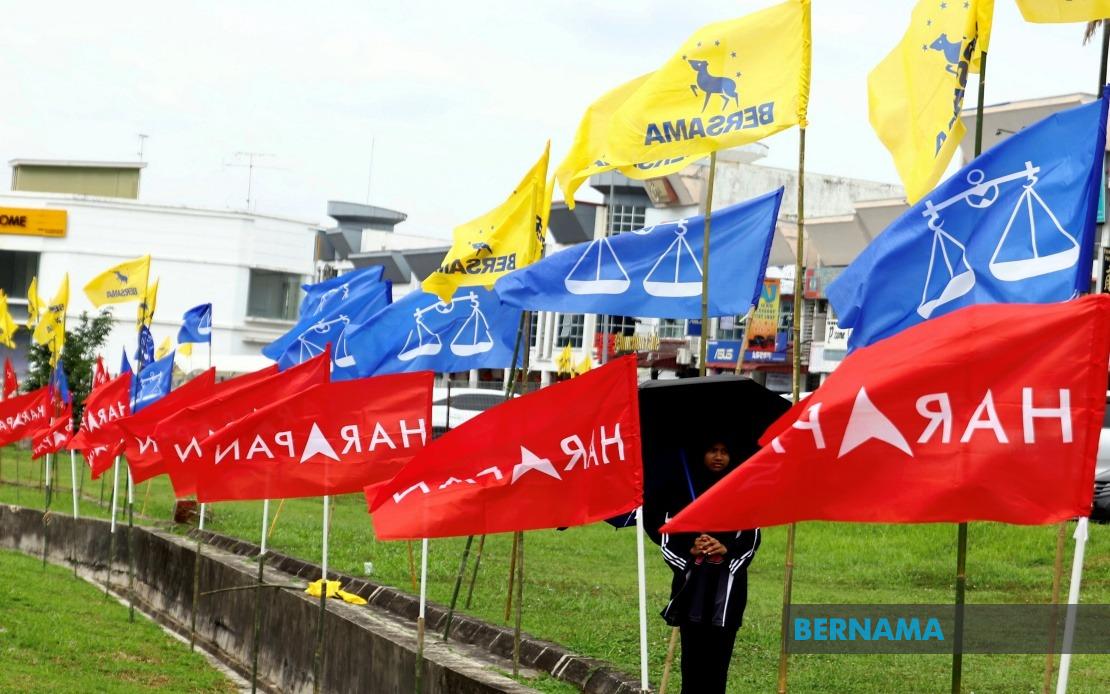
Prime Minister Datuk Seri Anwar Ibrahim has made a direct appeal to the people of Johor to support Pakatan Harapan at the ballot box this coming Saturday, as the 16th Johor state election enters its final days. In a Facebook message released on July 9, Anwar framed the election as an opportunity for voters to grant the coalition the chance to demonstrate its governance capabilities in one of Malaysia's most economically significant states. The appeal underscores PH's determination to secure a mandate in Johor, a state that has traditionally been a stronghold for other political coalitions and where control of the state government carries symbolic and strategic weight for any administration in Kuala Lumpur.
Anwar's campaign messaging emphasised PH's commitment to protecting Johor's economic and social interests should the coalition win the election. The Prime Minister highlighted that the coalition was prepared to work with diligence to ensure that development gains would be distributed fairly across all segments of Johor's population. This framing suggests PH is positioning itself as a government focused on inclusive prosperity rather than narrow political advantage, an approach designed to appeal to swing voters and those who may feel marginalised by previous administrations in the state.
In an effort to mobilise diaspora voters, Anwar also called on Johor-born citizens living elsewhere in Malaysia or abroad to return to the state to participate in the election. This strategy reflects a recognition that voter turnout can significantly influence outcomes in closely contested races, and that Johor's mobile populations—workers in Kuala Lumpur, Selangor, and elsewhere—may hold decisive voting power in marginal constituencies. By invoking a sense of duty and connection to home, Anwar attempted to convert emotional ties into electoral participation.
To reinforce his message and appeal to cultural sensibilities, Anwar released a separate post featuring a traditional Malay pantun, a poetic form deeply embedded in Malaysian cultural identity. The four-line verse referenced Johor's famous laksa dish, celebrated the state's heritage, and encouraged voters to return home bearing hope for the state's future prosperity and advancement. The use of pantun—rather than straightforward political messaging—demonstrates an attempt to speak to Johor voters in a language that resonates emotionally and culturally, moving beyond transactional political appeals to touch on shared identity and pride in the state.
The 16th Johor state election represents a significant electoral test for Pakatan Harapan at the state level. The contest involves 172 candidates competing for 56 state assembly seats, indicating a highly competitive race across multiple constituencies. The scale of the election suggests that no single area dominates the battleground, and victory will depend on PH's ability to win in diverse constituencies spanning urban centres, suburban areas, and rural regions. This geographic diversity requires different messaging strategies, making Anwar's broad appeals to shared Johor identity and inclusive development a calculated approach to bridging these different voter bases.
For Malaysian political observers, Anwar's direct personal intervention in the campaign underscores how significant this election is perceived to be at the federal level. The Prime Minister's active solicitation of votes, combined with his willingness to engage in cultural and emotional communication rather than purely policy-based arguments, indicates that PH views a Johor victory as crucial to consolidating its national political position. A PH government in Johor would strengthen the coalition's foothold in the southern region and potentially provide administrative experience that could inform federal governance.
The appeal to diaspora voters also reveals strategic thinking about demographic shifts in Malaysian politics. As urbanisation continues and more Malaysians migrate for employment, the ability to mobilise voters who maintain emotional and familial ties to their home states becomes increasingly important. PH's explicit outreach to this group suggests the coalition recognises that election victories are increasingly determined by voters who move between states rather than those who remain in their constituencies of origin throughout their lives.
Anwar's message that PH would "defend Johor's interests" carries particular resonance in a state with distinctive economic characteristics and historical governance patterns. Johor's development trajectory, relationship with Singapore, and role as a manufacturing and logistics hub mean that state-level policies have outsized importance. By promising to safeguard these interests, Anwar positioned PH not as an outsider party but as one committed to understanding and protecting Johor's unique position within Malaysia's federal structure.
The timing of Anwar's appeals—with only days remaining before polling day—reflects the compressed campaign period typical of Malaysian state elections and the need to reach undecided voters at the eleventh hour. This final push through social media platforms like Facebook allows PH to bypass traditional media filters and communicate directly with voters in their digital spaces, a tactic that has become standard in contemporary Malaysian politics.
The election itself will test whether Pakatan Harapan's federal-level prominence translates into state-level support in Johor, and whether Anwar's personal political capital can overcome historical voting patterns in the state. The result will provide significant insight into the coalition's electoral prospects nationally and its ability to compete effectively in states where it does not have established administrative presence.

