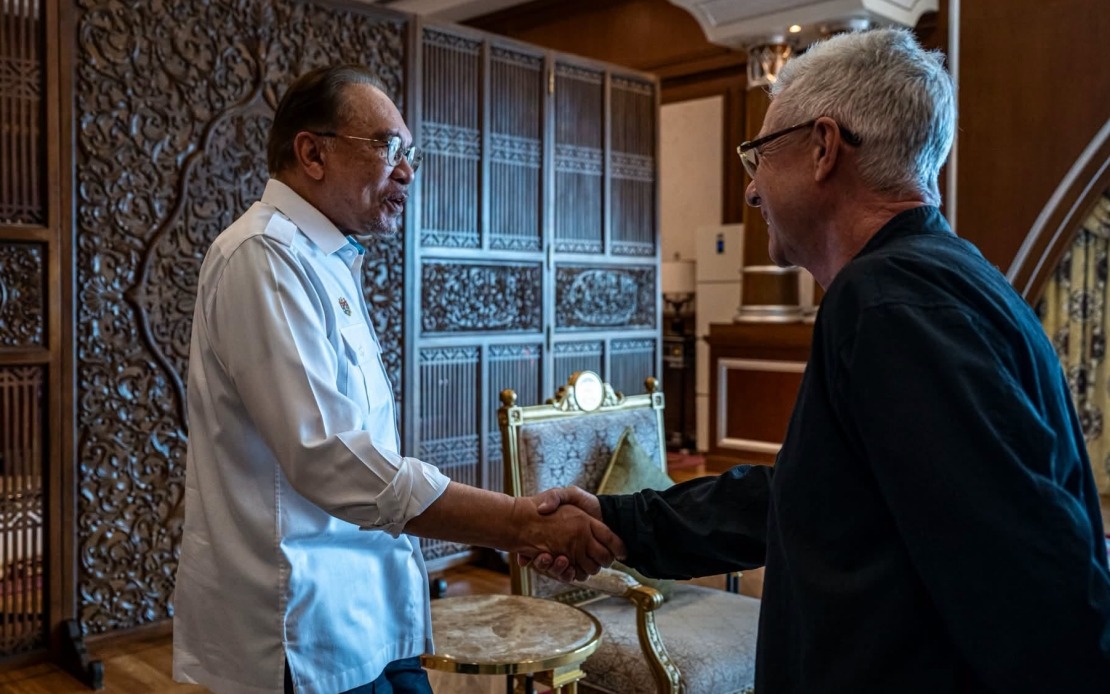
Prime Minister Datuk Seri Anwar Ibrahim has initiated strategic consultations with Singapore's Formula 1 leadership to ensure Malaysia delivers a world-class motorsports experience when it hosts the 2026 Bahrain Grand Prix at Sepang International Circuit from October 2 to 4. The meeting with Singapore Grand Prix Executive Director Michael Roche represents a pragmatic approach to leveraging regional expertise as the country prepares for its return to the Formula 1 calendar after an eight-year absence, signalling a broader commitment to restoring Malaysia's standing in international motorsport.
The gathering underscores the government's determination to extract maximum value from the prestigious event. Beyond the three-day racing spectacle itself, officials envision the Grand Prix as a catalyst for broader economic activity—drawing international visitors, creating employment across the hospitality and service sectors, and attracting global business attention to Malaysian ventures. These considerations reflect lessons learned from past Formula 1 iterations and recognition that successful major events require meticulous coordination and experience-informed planning. By studying Singapore's proven operational model, Malaysia aims to avoid missteps that plagued previous hosting efforts.
According to Anwar's public statements on the matter, the initiative forms part of a calculated strategy to strengthen Visit Malaysia 2026, the government's tourism promotion campaign timed to coincide with the nation's seventieth anniversary celebrations. The convergence of the Grand Prix with this broader tourism drive creates a marketing opportunity of significant proportions, potentially positioning Malaysia as an attractive destination for adventure-seeking international travellers and high-net-worth individuals who gravitate toward premium motorsport events. The economic multiplier effects—hotel occupancy, restaurant patronage, transportation services, and ancillary spending—could extend far beyond the immediate race weekend.
The Bahrain Grand Prix's relocation to Sepang reflects geopolitical realities that reshaped the 2026 Formula 1 calendar. Originally scheduled for April at Bahrain International Circuit, escalating regional tensions prompted the FIA and Formula 1 authorities to relocate the event to Malaysia's purpose-built circuit in partnership with Bahrain's motorsport authorities. This arrangement, whilst unconventional, demonstrates the flexibility of modern Formula 1 governance and highlights Malaysia's diplomatic standing and technical readiness to absorb a major calendar change with minimal disruption.
Malaysia's motorsport infrastructure, built over two decades of Formula 1 hosting experience, remains substantially intact despite the Malaysian Grand Prix's withdrawal from the calendar in 2017. Sepang International Circuit, constructed in 1999 with world-class facilities and safety systems, continues to meet stringent FIA technical specifications. The venue's comprehensive amenities—corporate hospitality suites, broadcast-standard facilities, sophisticated crowd management systems, and adjacent accommodation options—provide essential foundations for successful event execution. Nevertheless, organisational rigour and operational excellence demanded by modern Formula 1 require continuous refinement and adherence to evolving international standards.
The decision to abandon the Malaysian Grand Prix from the Formula 1 schedule stemmed from escalating economic pressures that had accumulated over nearly two decades of hosting. Rising licensing fees imposed by Formula 1 management and mounting hosting costs made the event increasingly difficult to justify on financial grounds, even as its prestige attracted considerable tourism. The hiatus from the calendar, therefore, represents both a financial reprieve and a strategic opportunity to reenter the sport under more favourable terms, with the Bahrain co-hosting arrangement potentially distributing financial burdens across multiple stakeholders.
Singapore's Formula 1 experience offers instructive parallels and contrasts for Malaysian planners. The city-state's night race, held annually since 2008, has evolved into one of the calendar's marquee events despite—or perhaps because of—its unconventional urban circuit layout and logistical complexities. Singapore's success demonstrates the importance of sustained government backing, meticulous planning, robust security frameworks, and seamless integration with the broader tourism ecosystem. However, Sepang's daylight racing format and suburban location present different operational challenges and advantages that Malaysian organisers must navigate independently whilst applying transferable lessons.
The consultation initiative also reflects domestic political dimensions. Successfully hosting a Formula 1 event would constitute a significant achievement for the Anwar administration, validating its economic recovery agenda and demonstrating governmental competence in executing large-scale international projects. For Malaysian businesses and workers, the event promises direct employment opportunities in hospitality, security, transportation, and technical services, alongside indirect benefits through increased consumer spending and business confidence. The government's explicit positioning of the Grand Prix as an economic development tool suggests expectations of tangible, measurable returns.
Regional implications warrant consideration as well. Malaysia's return to Formula 1 reinforces Southeast Asia's emergence as a global motorsport destination, complementing existing circuits in Thailand, Vietnam, and Singapore. The Grand Prix reinforces the perception of Malaysia as a technologically capable nation capable of hosting complex international events, potentially influencing foreign direct investment decisions beyond the motorsport sector. The event also strengthens Malaysia's cultural diplomacy, projecting an image of dynamic modernity and international engagement that resonates with contemporary Southeast Asian aspirations.
The timeline from now until October presents considerable operational demands. Planning committees must coordinate accommodation for thousands of international visitors, arrange sufficient transportation infrastructure, implement security protocols befitting a major international event, ensure media and broadcast facilities meet global standards, and orchestrate volunteer recruitment and training. The consultation with Singapore's leadership provides valuable guidance on avoiding common pitfalls and identifying best practices that have proven effective in similar contexts.
Looking ahead, the success or failure of the 2026 Bahrain Grand Prix at Sepang will likely determine whether Malaysia can negotiate permanent restoration of a Formula 1 fixture beyond this one-off arrangement. A well-executed event could position the country for inclusion in future calendar adjustments or new races, cementing its role as a regional motorsport powerhouse. Conversely, operational shortcomings could reinforce perceptions that Malaysia lacks the consistent organisational capacity required for Formula 1's demanding standards, potentially closing the door to future opportunities.
The consultation between Anwar and Singapore's Grand Prix leadership thus represents far more than a routine diplomatic courtesy. It embodies a strategic recognition that hosting Formula 1 in the modern era requires professional excellence, careful planning, and willingness to learn from peers who have successfully navigated similar challenges. By positioning Malaysia as a serious, learning-oriented partner in the global motorsport community, the government signals its commitment to delivering an event that benefits not only the sport but the broader Malaysian economy and international standing.

