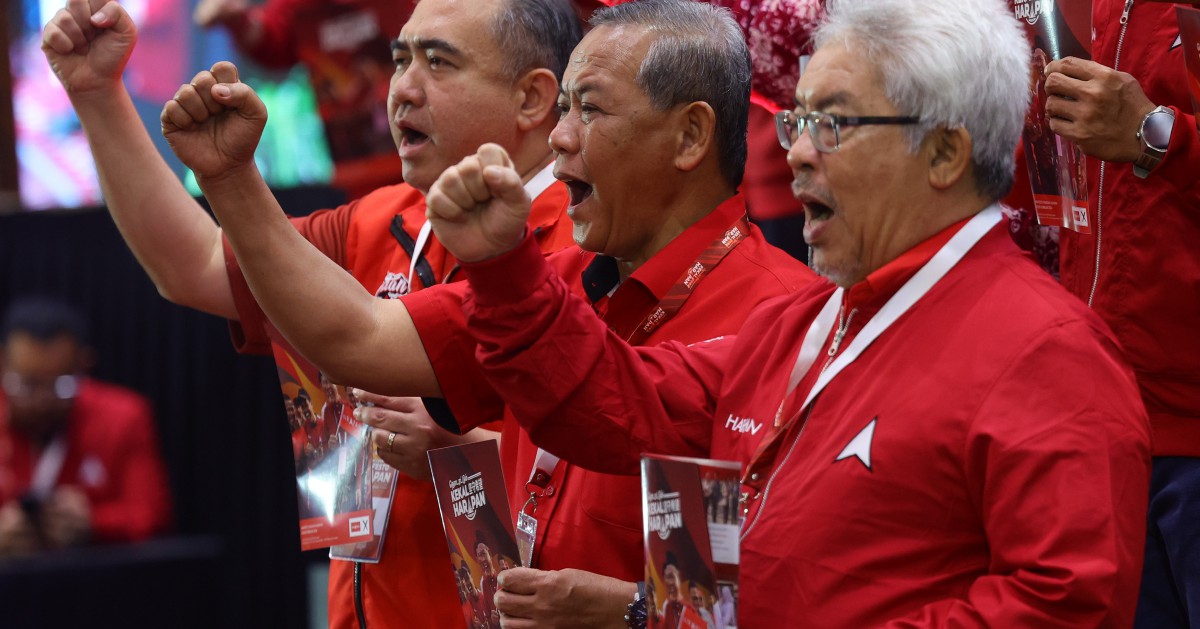
Prime Minister Datuk Seri Anwar Ibrahim will take to the campaign trail in Negri Sembilan on Wednesday as Pakatan Harapan seeks to consolidate support in the lead-up to the state election. As both PM and chairman of the ruling coalition, Anwar's appearance underscores the significance Pakatan places on the Negri Sembilan contest and reflects the party's strategy of leveraging its top leadership to energise grassroots campaigners and voters across the state.
Anwar's participation in Negri Sembilan's campaign reflects a broader pattern observed across Malaysian electoral contests in recent years, where prime ministers and senior coalition figures deploy their political capital directly to contested states. The personal involvement of sitting PMs in state-level campaigns has become increasingly common since the 2018 general election, as coalitions recognise that local races often hinge on national sentiment and leadership approval ratings. By appearing alongside local candidates and attending rallies, Anwar signals that the federal government takes the state election seriously and that victory serves national coalition objectives.
Negri Sembilan holds particular strategic importance within Pakatan's electoral calculus. The state has been a traditional battleground between competing political forces, and control of its state government carries implications for the party's ability to govern effectively at the federal level. When a ruling coalition loses state governments, it frequently translates into reduced patronage networks, smaller legislative caucuses, and diminished political momentum heading into federal contests. Pakatan's determination to retain Negri Sembilan reflects these broader considerations, with Wednesday's campaign event serving as a visible demonstration of the coalition's investment in retaining the seat.
The timing of Anwar's Wednesday appearance likely coincides with a critical juncture in the campaign calendar. State elections in Malaysia typically involve two to three weeks of intensive campaigning following nomination day, with candidate rallies, mass gatherings, and leadership visits concentrated in the final ten days before polling. By scheduling the PM's visit at this stage, Pakatan aims to capture media attention and inject momentum into the campaign when voter attention peaks. The announcement of such high-profile visits also influences coverage patterns, ensuring that party messaging receives prominent placement in news reports and online discussions.
From a regional perspective, Negri Sembilan's election carries implications extending beyond the state itself. Neighbouring Selangor and the federal territories form the economic heartland of Malaysia, and state governments within this cluster coordinate on matters ranging from transport infrastructure to economic development. A Pakatan-controlled Negri Sembilan ensures policy alignment across the region and prevents opposition-held states from creating governance complications. For Malaysian observers and investors monitoring political stability, the election outcome will signal whether Pakatan's federal-level coalition dynamics translate into sustained state-level control.
Anwar's campaign role must also be understood within the context of Pakatan Harapan's composition and internal dynamics. The coalition comprises multiple parties with distinct bases and regional strongholds, requiring careful navigation to maintain unity. When the PM campaigns in a state, he typically does so alongside representatives from local coalition partners, with the appearance itself serving to reinforce inter-party bonds and demonstrate solidarity. Wednesday's Negri Sembilan event will provide an opportunity for these coalition components to present a unified front to voters, countering any narratives about internal discord or competing agendas.
The PM's campaign visit also serves important communication functions beyond direct voter persuasion. Attendees at campaign events often include community leaders, civil society representatives, and media contacts who subsequently amplify messaging through their networks. A prime ministerial visit generates momentum and enthusiasm among party volunteers, who feel energised by direct exposure to national leadership. These volunteers then intensify their own community-level engagement, leaflet distribution, and voter contact activities in the days following the event. The knock-on effects of leadership appearances thus extend well beyond the immediate rally attendance figures.
For political analysts following Malaysian elections, Anwar's Wednesday appearance provides a window into Pakatan's confidence levels and strategic priorities. If the PM divides his campaign schedule among multiple states, it suggests coalition strategists view several contests as genuinely competitive and requiring top-level intervention. Conversely, if Anwar concentrates his appearances in particular states, it indicates where Pakatan perceives either weakness requiring urgent attention or strength worth consolidating. The intensity and frequency of such visits thus function as indicators of perceived political vulnerability or advantage.
Looking ahead, Negri Sembilan's election outcome will carry implications for federal coalition stability and Anwar's political standing. Prime ministers who successfully campaign on behalf of their parties and see positive electoral results enjoy enhanced prestige and leverage within their coalitions. Conversely, disappointing results can weaken a PM's authority and embolden potential rivals. These dynamics, while rarely discussed openly, shape coalition behaviour and resource allocation in subsequent elections. Anwar's investment in the Negri Sembilan campaign thus represents not merely a routine electoral activity but a significant political stake with potential consequences for Malaysia's broader governance landscape.

