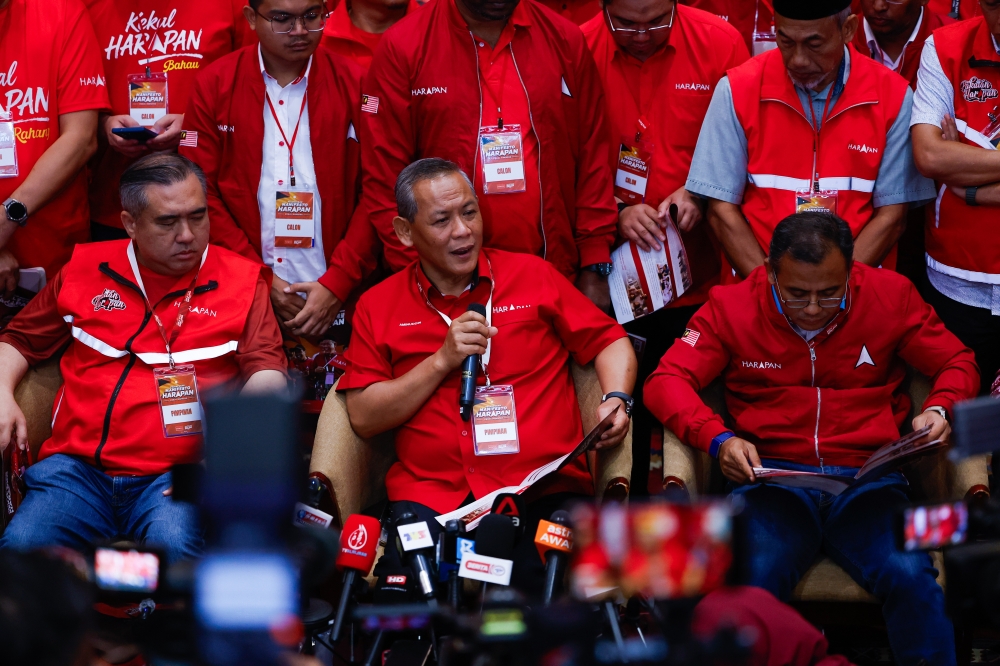
Prime Minister Anwar Ibrahim will join Pakatan Harapan's campaign activities in Negeri Sembilan on Wednesday, according to Seremban MP Aminuddin Harun, marking another significant show of strength by the ruling coalition as it prepares for imminent electoral contests.
Anwar's appearance underscores the strategic importance Pakatan places on consolidating support across Malaysia's heartland states. Negeri Sembilan, with its mix of urban and rural constituencies, represents critical battleground territory where coalition performance could significantly influence the overall outcome of any general election. The Prime Minister's direct involvement in state-level campaigning reflects the coalition's recognition that systematic grassroots engagement at this stage remains essential to maintaining electoral momentum.
Aminduddin's announcement of Anwar's participation comes as Pakatan Harapan continues aggressive campaigning across multiple states. The coalition has been methodically building its presence at the grassroots level, with senior party figures fanning out to different regions to energise supporters and address voter concerns. This distributed approach to campaign management allows party leadership to reach broader audiences while also strengthening connections between federal leadership and state-level party machinery.
The timing of Anwar's Negeri Sembilan visit reflects broader political calculations within the coalition regarding electoral readiness. Malaysian politics has grown increasingly unpredictable in recent years, with coalition formations shifting rapidly and voter sentiment remaining volatile. Pakatan's strategy appears focused on demonstrating unified leadership and party discipline at a time when political coherence itself has become a valuable campaign asset.
Negeri Sembilan holds particular significance within Pakatan's electoral calculations. The state has historically supported various political formations, and its electorate represents microcosm of broader Malaysian voting patterns. Success in consolidating support here provides both symbolic validation of the coalition's appeal and practical electoral benefits that could accumulate across the country.
For Anwar personally, continued visibility at campaign events serves multiple purposes beyond immediate electoral objectives. It reinforces his position as active coalition chairman and demonstrates his engagement with party operations across different regions. Such public appearances also counter perceptions of concentration of power in Kuala Lumpur while projecting an image of a Prime Minister in close touch with grassroots political realities.
The broader Pakatan campaign strategy appears designed to maintain initiative and define electoral narratives before opposition forces consolidate their messaging. By maintaining high-profile campaign activities and ensuring senior leadership presence across multiple states, the coalition seeks to set the tempo of political discourse and appear organised and purposeful to voters.
Aminduddin's role as local MP in announcing the Prime Minister's visit highlights the integration between national party leadership and state-level representatives. Such coordination demonstrates the organisational structures that Pakatan has developed to manage campaign activities systematically. Clear communication between federal and state party levels indicates infrastructure that, once activated fully, could mobilise significant resources for electoral purposes.
The emphasis on campaign activities at this stage also reflects recognition within Pakatan that electoral competition in Malaysia has become increasingly sophisticated. Modern elections require sustained voter engagement, consistent messaging, and visible leadership presence to counter opposition narratives effectively. One-off campaign bursts late in electoral cycles have become less effective as voter attention fragmentation and media proliferation have increased.
For Southeast Asia more broadly, Pakatan's campaign approaches offer insights into how governing coalitions maintain political coherence amid fractious electoral pressures. Malaysia's experience with coalition politics demonstrates both the possibilities and challenges of maintaining multi-party alliance discipline while pursuing common electoral objectives. The active role Anwar plays in coordinating coalition activities reflects the necessity of strong central direction in managing coalition partners with potentially divergent interests.
Negeri Sembilan voters will likely perceive Anwar's visit as signal of the national government's attention to their concerns and preferences. Prime ministerial campaign visits carry symbolic weight that local campaigning cannot replicate, suggesting that voters warrant personal attention from highest national leadership. This psychological dimension of campaign strategy often matters as much as specific policy announcements or local issue resolution.
The Negeri Sembilan campaign visit also allows Pakatan to gauge voter sentiment in real time and gather intelligence about local political dynamics. Interactions between senior leaders and local communities provide unfiltered feedback about which issues resonate with voters and where opposition narratives might be gaining traction. Such data collection becomes invaluable for refining overall campaign strategies across other regions.
As Pakatan continues accelerating campaign preparations, the visibility of senior leadership in multiple states will likely increase further. Anwar's commitment to participate in ground-level political activities, despite the demands of his Prime Ministerial office, sends clear signals about the coalition's seriousness regarding electoral competition and its willingness to deploy all available resources toward securing voter support.

