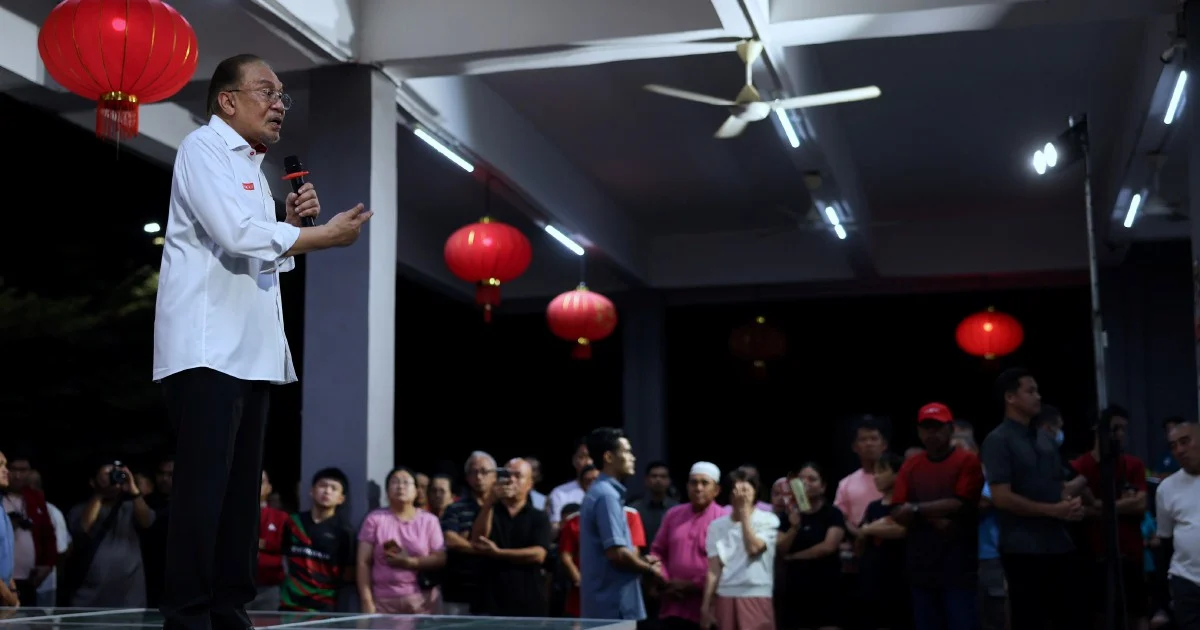
Prime Minister Datuk Seri Anwar Ibrahim has committed to placing Malaysia's durian crisis at the centre of his diplomatic agenda during a forthcoming visit to China, signalling the government's determination to address an oversupply problem that has devastated the nation's fruit growers. Speaking in Tangkak, a stronghold of durian cultivation in Johor, Anwar indicated he would use high-level talks with Chinese Premier Li Qiang to explore fresh avenues for expanding sales into one of the world's most lucrative markets for the prickly fruit.
The timing of this intervention reflects the urgency of the situation facing Malaysia's durian sector. The country has experienced a sharp contraction in prices as domestic production has outpaced demand, creating a severe market glut that threatens the livelihoods of thousands of farmers and traders. Many growers have watched their income evaporate as wholesale prices have tumbled dramatically, with some unable to recover even their production costs. This cascading economic pain extends beyond farms into the supply chain, affecting cold storage operators, logistics companies, and export traders who depend on a functioning durian trade.
China represents the jewel in Malaysia's durian export crown. The country's burgeoning middle class has developed an insatiable appetite for premium durians, transforming China into the destination for the lion's share of Malaysian exports. Beijing's consumers associate Malaysian durians, particularly varieties like Musang King, with quality and luxury, making the market far more valuable than any other destination. However, this concentration of export dependency leaves Malaysian growers vulnerable to shifting preferences, trade barriers, or fluctuating demand across the border.
Anwar's diplomatic approach underscores how agricultural trade has become intertwined with Malaysia's broader foreign policy objectives. By framing the durian issue as a bilateral matter worthy of premier-level attention, the government is elevating what might traditionally be considered a commodity problem to the status of strategic economic cooperation. This repositioning reflects Malaysia's status as a major agricultural exporter and the political weight that rural constituencies carry within the electorate, particularly in states like Johor where durian cultivation generates substantial economic activity.
The proposed discussions with Li Qiang may explore multiple avenues for intervention. These could include tariff arrangements, marketing initiatives, or regulatory measures that might facilitate smoother trade flows or expanded access to Chinese consumers. Additionally, the talks might address logistics challenges or certification requirements that sometimes complicate the movement of Malaysian durians into Chinese markets. The government may also seek Chinese cooperation in combating the illicit trade and counterfeiting of Malaysian durians, which has reportedly cost domestic producers substantial revenue.
Beyond the immediate commercial negotiations, this diplomatic engagement reflects deeper regional dynamics. Malaysia views its agricultural exports as a critical component of maintaining favourable trade relationships with its largest economic partner. By demonstrating responsiveness to farmer concerns at the highest levels of government, Anwar signals that Kuala Lumpur takes both the welfare of its rural communities and the strategic importance of agricultural trade seriously. This message carries weight in a region where agricultural exports remain fundamental to national prosperity and food security.
The domestic dimension of this issue cannot be overlooked. Durian farming, while profitable in good years, requires substantial capital investment and carries significant risk. Growers have invested heavily in orchard development, irrigation systems, and post-harvest infrastructure based on expectations of sustained demand and prices. The sudden price collapse has created a crisis of confidence within the farming community and raised questions about whether government support mechanisms are adequate during periods of severe market distress. Political pressure from affected regions has mounted, and the government's willingness to engage China on the issue demonstrates responsiveness to constituent concerns.
However, the structural challenges facing Malaysia's durian sector run deeper than any single bilateral discussion can resolve. Global durian cultivation has expanded significantly, with Thailand, Indonesia, and Vietnam all ramping up production to meet surging Asian demand. This increased competition, combined with seasonal oversupply, means that Malaysia cannot simply restore previous price levels through negotiation alone. Long-term solutions will require industry restructuring, product diversification, investment in value-added processing, and potentially geographical diversification of export markets to reduce dependence on China.
The upcoming Beijing visit therefore represents not merely a transactional opportunity but a moment for Malaysia to articulate a comprehensive vision for how durian trade can be managed more sustainably and equitably. Chinese cooperation will be essential, but it must be complemented by domestic reforms addressing production planning, marketing strategies, and farmer support systems. As Anwar prepares for his discussions with Li Qiang, Malaysian policymakers will need to balance the immediate imperative of stabilising prices with longer-term investments in agricultural modernisation and market development. The outcome of these talks will signal whether traditional diplomatic channels can effectively address complex commodity market challenges in an era of rapid global competition.

