Prime Minister Datuk Seri Anwar Ibrahim will formally present Pakatan Harapan's roster of candidates for the upcoming Negeri Sembilan state election at a public ceremony in Kuala Pilah on Tuesday, July 14. The announcement, scheduled for Dataran Melang, marks the official launch of the coalition's campaign push ahead of voting day on August 1, with the candidate selections finalised following weeks of internal deliberation among the three-party alliance.
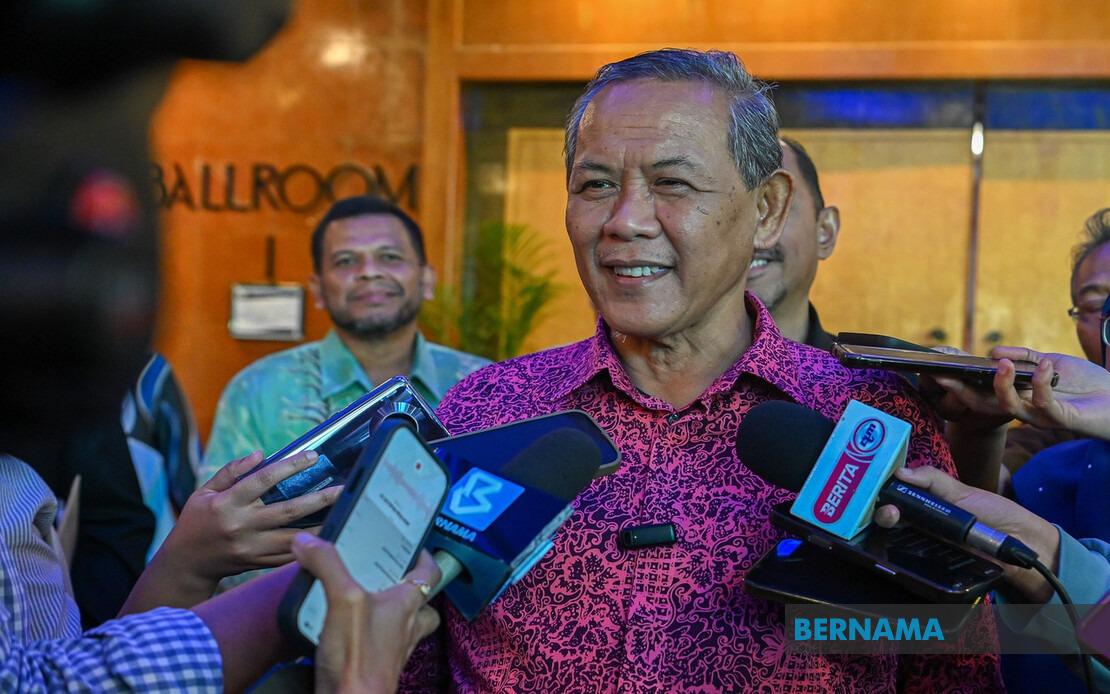
Negeri Sembilan PKR chairman Datuk Seri Aminuddin Harun confirmed that the nomination process has been completed and handed over to party leadership for formal disclosure. As Menteri Besar and head of the state's largest opposition party within Pakatan Harapan, Aminuddin emphasised that all candidates and party machinery must now redirect their energy towards grassroots campaigning rather than speculation about seat allocations. The timing of the announcement comes just four days before nomination day on July 18, giving candidates minimal preparation time before they must formally register their candidacies with the Election Commission.
The 36 available seats in Negeri Sembilan will be contested under a predetermined power-sharing arrangement established by Pakatan Harapan's leadership. PKR will contest 16 seats, positioning it as the dominant coalition partner in the state, while DAP has secured 11 seats and Amanah will field candidates in the remaining nine constituencies. This allocation reflects the broader national dynamics of Pakatan Harapan, where PKR holds the largest number of parliamentary seats and claims the prime ministership, though the coalition operates on principles of collective decision-making for major state-level contests.
Aminuddin himself has become the subject of considerable speculation regarding his personal candidacy, with observers questioning whether he will seek re-election in the Linggi state seat he currently represents as the incumbent Sikamat assemblyman. When pressed by journalists about his own electoral plans, the Menteri Besar deliberately withheld details, choosing instead to deflect discussion until after the formal announcement. His measured response reflects the delicate internal negotiations that often precede such announcements, particularly when senior figures may face challenges from within their own party or coalition partners seeking greater representation.
The election timeline established by the Election Commission provides limited space for campaigning, with only 14 days between candidate nomination and early voting on July 28. This compressed schedule means that the Tuesday announcement will effectively mark the transition from internal party management to public electioneering. Candidates will have a narrow window to establish themselves in constituencies, particularly in more competitive areas where multiple aspirants from Pakatan Harapan competed for the same nomination slot during internal party selection processes.
For Malaysian political observers and analysts, the Negeri Sembilan contest carries significance beyond state-level implications. As one of Malaysia's smaller states with just 36 legislative seats, it serves as a testing ground for Pakatan Harapan's organisational coherence and messaging consistency. The coalition's performance here will provide early indicators of voter sentiment ahead of the next general election, particularly regarding the stability of the three-party alliance structure and whether voters are responding positively to collaborative governance models rather than adversarial opposition politics.
The election outcome also holds particular relevance for Aminuddin personally, as he will seek to consolidate his position as Menteri Besar under Pakatan Harapan's governance. Since the 2023 general election shifted Malaysia's political landscape with Anwar's rise to the premiership, several state governments have transitioned to opposition-aligned administrations. Retaining Negeri Sembilan for Pakatan Harapan would represent continuity in a state where the coalition has maintained strong support in recent electoral cycles.
Regionally, the Negeri Sembilan election reflects broader trends in Southeast Asian state politics, where coalition governance and multi-party arrangements are becoming increasingly common. Unlike the previous dominance of single-party rule in Malaysian states, current electoral dynamics require complex negotiations between parties with distinct ideological focuses and constituency bases. The PKR-DAP-Amanah arrangement in Negeri Sembilan mirrors similar coalitional approaches being attempted across various Southeast Asian democracies attempting to balance inclusivity with effective governance.
With nominations opening immediately following Tuesday's announcement, campaign activity is expected to intensify substantially across all 36 constituencies. Major parties beyond Pakatan Harapan, including Barisan Nasional and Perikatan Nasional, have already been preparing their own candidate slates and campaign strategies in anticipation of the official election timeline. The announcement ceremony will signal the beginning of intensive political engagement at the grassroots level, with door-to-door campaigning, community dialogues, and media campaigns ramping up across both urban and rural areas of the state.

