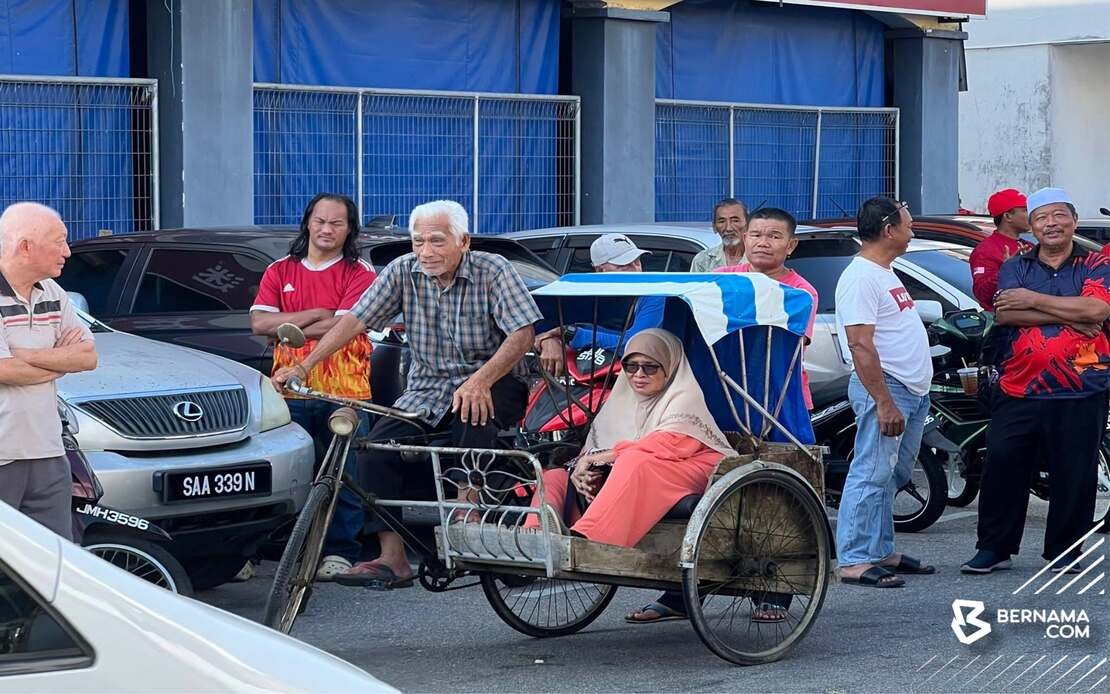
Prime Minister Datuk Seri Anwar Ibrahim has publicly expressed heartfelt appreciation for an elderly couple's determination to see him during his recent visit to Johor, highlighting a touching moment that resonates with the nation's values of respect and community connection. In a Facebook post, Anwar acknowledged the remarkable gesture made by Abdul Razak Pelangga, aged 86, who cycled his trishaw nearly a kilometre from his home village to bring his wife, Jamilah Samsudin, 64, to a small coffee shop in Senggarang, Batu Pahat, where the premier was conducting a breakfast engagement.
The Prime Minister expressed regret that his schedule did not permit him to meet the couple face-to-face during his stop at Kedai Kopi Hailam Sri Medan, a modest eatery in the small town. Despite this missed opportunity, Anwar seized the moment to publicly recognise their effort, offering prayers for their continued good health and wellbeing. His response underscores the significance placed by the nation's leadership on such grassroots interactions and the value attributed to citizens who make the effort to participate in these community moments.
According to accounts gathered by local sources, Abdul Razak, who serves as an imam at Masjid Raudhatul Jannah Parit Bugis, made the deliberate choice to transport his wife by trishaw rather than using motorised transport. His reasoning reveals both practical considerations and perhaps a symbolic preference: he opted for the traditional three-wheeled vehicle to circumvent the parking challenges typically encountered in the town centre, a decision that speaks to his resourcefulness and determination to fulfil his wife's wish.
The couple's journey came about after Abdul Razak learned the previous day that Anwar would be visiting the Senggarang state constituency as part of the Johor State Election campaign schedule. Rather than dismiss the prospect as impractical or accept it passively, the couple made an active decision to venture out despite their age. This initiative reflects the enthusiasm and civic engagement that can be found at the grassroots level, even among elderly residents who might reasonably be expected to remain at home.
The incident occurred during Anwar's breakfast engagement at the eatery, where he spent approximately 50 minutes meeting with local residents and conducting a meet-and-greet programme. The visit formed part of his campaign activities connected to the Johor state elections, a period when political leaders typically visit constituencies to connect with voters and understand local concerns and aspirations.
For Malaysian readers, this episode carries particular resonance given the cultural emphasis on respect for elders and the value placed on community participation in the democratic process. The fact that an 86-year-old felt motivated enough to make this journey speaks to the engagement levels within the electorate and the symbolic importance Malaysians attach to such direct encounters with their leaders.
Anwar's public acknowledgement of the couple also reflects a leadership approach that values and celebrates individual stories of dedication and commitment. By amplifying this narrative through his Facebook post, he has transformed a chance moment into a broader message about the importance of citizen engagement and mutual respect between leadership and the public.
The Senggarang area, part of Batu Pahat, represents one of the constituencies that received direct political attention during the Johor electoral cycle. Such campaign visits typically form an important part of how Malaysian political leaders maintain direct lines of communication with constituents and address local issues, making the couple's effort to attend particularly meaningful within this context.
This interaction also illustrates the persistent appeal and utility of trishaws in Malaysian small towns and rural areas, vehicles that remain culturally significant and practically important in communities where motorised transport may not always be the preferred or most practical option. Abdul Razak's choice to use this mode of transport, while partly motivated by pragmatic concerns about parking, also represents a connection to traditional forms of local mobility that remain integral to life in smaller Malaysian settlements.
The broader significance of this incident lies in how it demonstrates the continuing relevance of personal, face-to-face political engagement in Malaysia's democratic landscape. Despite the prevalence of digital communication and media coverage, elderly citizens like Abdul Razak and Jamilah Samsudin still value and prioritise the opportunity to see their leaders in person, a phenomenon that underscores the enduring importance of retail politics and community-level democratic participation.
For the Prime Minister's office, such encounters, even when they involve missed meetings due to scheduling constraints, provide valuable opportunities to reinforce messages about accessibility and respect for citizens. The public acknowledgement of the couple's effort signals that leadership recognises and values the commitment shown by ordinary Malaysians in engaging with the political process.
The story also carries implications for how political engagement is understood in Malaysian society, suggesting that participation in democratic processes extends beyond voting or attending rallies to include more spontaneous, personal gestures of support and interest in national leadership. The couple's decision to venture out demonstrates that this level of engagement transcends age and educational background.

