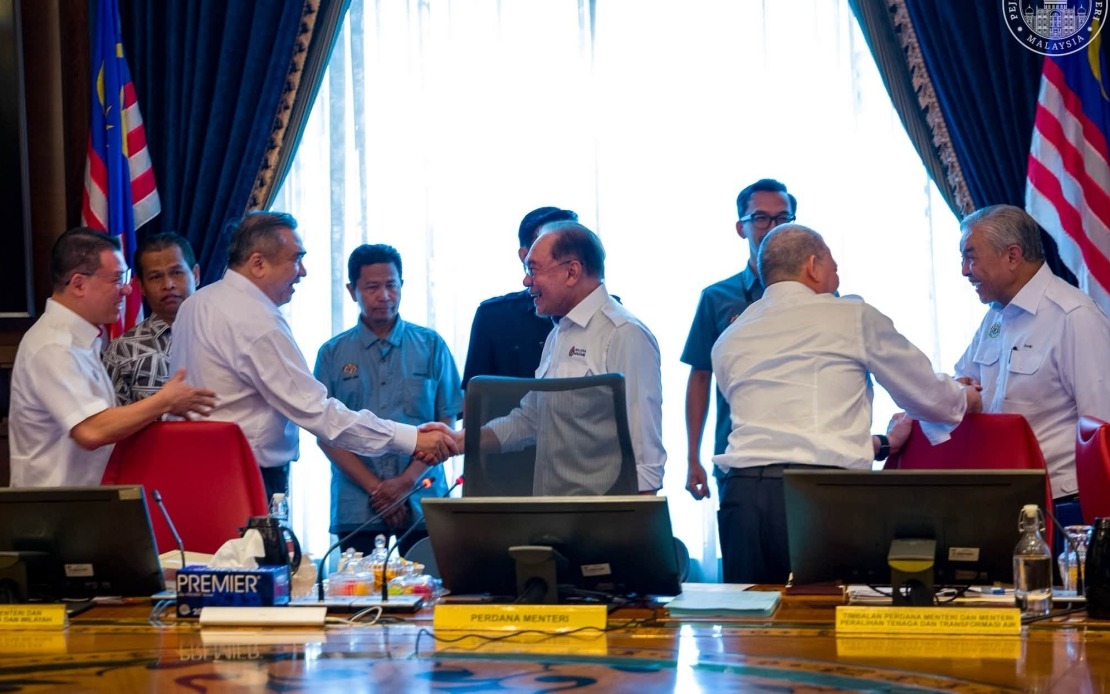
Prime Minister Datuk Seri Anwar Ibrahim has used traditional poetry to send a message about national cohesion, posting a four-line Malay pantun on his official Facebook page that celebrates the virtues of friendship, consensus, and collective strength. The move underscores a deliberate effort by the country's top leader to emphasise solidarity at a time when the Federal Government faces internal tensions, particularly as its two major coalition partners pursue separate electoral strategies in Negeri Sembilan.
The post, which featured a classic pantun format reflecting Malaysia's rich cultural heritage, resonated strongly with online audiences. Within two hours of publication, the message attracted more than 11,500 likes and sparked over 1,700 comments, with several respondents themselves replying in pantun form. This enthusiastic digital engagement suggests the Prime Minister successfully tapped into sentiments about national unity that appeal across demographic and political divides in Malaysia.
Anwar accompanied his poetic composition with photographs from a Cabinet meeting, showing Deputy Prime Minister Datuk Seri Dr Ahmad Zahid Hamidi, Transport Minister Anthony Loke, and other senior ministers appearing relaxed and unified in purpose. The visual messaging deliberately projected an image of governmental harmony and collegial decision-making, reinforcing the textual theme of solidarity. By pairing the pantun with these images, Anwar communicated both verbally and visually that despite electoral competition between coalition partners, the machinery of government continues functioning cohesively.
The timing of this message carries particular significance given the fractured dynamics between Pakatan Harapan and Barisan Nasional ahead of the Negeri Sembilan state election. Although these two coalitions form the backbone of the Federal Unity Government at the national level, they have entered into competitive opposition on the campaign trail in the state, creating an unusual political situation where governmental allies become campaign rivals. This paradox has generated considerable public scrutiny regarding whether such competition might undermine the stability of the national coalition arrangement.
In the Negeri Sembilan contest, Pakatan Harapan, which Anwar chairs, is fielding candidates across all 36 state assembly seats. Barisan Nasional, under Ahmad Zahid's leadership, is contesting 25 constituencies while simultaneously forging an alliance with Perikatan Nasional, the opposition grouping at federal level. This tripartite configuration in the state election represents a particularly complex electoral landscape, with three different political formations claiming parts of the political geography. The Election Commission has scheduled early voting for July 28 and general polling for August 1, following the dissolution of the Negeri Sembilan State Assembly on June 5.
Political observers have widely interpreted Anwar's pantun post as a carefully calibrated reminder that despite vigorous campaign competition, the fundamental imperative of maintaining Federal Government stability must supersede electoral ambitions. The post serves multiple purposes: it allows Anwar to project statesmanship and cultural awareness by employing traditional literary forms, it signals to political allies that factional competition should not destabilise the national government, and it appeals to Malaysian voters' broader sensibilities about harmony and consensus, values deeply embedded in the nation's political culture.
The extensive online commentary praising the Prime Minister's "conciliatory tone" indicates that substantial segments of the Malaysian public appreciate such gestures toward unity. In an era marked by polarised politics and fierce partisan competition, messages emphasising common ground and shared purpose retain considerable persuasive power. By framing political diversity as compatible with governmental stability, Anwar attempts to model a form of competitive pluralism that permits coalition partners to contest elections vigorously while maintaining the structural coherence of the national administration.
This communication strategy reflects deeper challenges within Malaysia's current political architecture. The Federal Unity Government, formed after the 2022 general election, represents an unprecedented governing arrangement where historically adversarial coalitions must collaborate to maintain parliamentary majorities. State-level elections, including Negeri Sembilan's contest, represent moments when these underlying tensions surface, as each coalition seeks to expand or defend territorial advantage. Anwar's poetic intervention attempts to manage these contradictions by appealing to higher principles of national cohesion.
The pantun format itself carries cultural resonance that contemporary political messaging often lacks. By choosing this traditional form over modern communication styles, Anwar connects his message about unity to Malaysian historical and cultural continuity. The pantun, a uniquely Malay literary tradition, becomes a vehicle for expressing universally applicable political principles. Respondents who replied in pantun form reciprocated this cultural engagement, creating an online dialogue that transcended routine political messaging and became something more akin to civic participation through shared cultural expression.
For regional observers, Anwar's approach demonstrates how Southeast Asian leaders navigate the tension between competitive democracy and governmental stability. The message that electoral opponents can simultaneously be governing partners represents a sophisticated political arrangement, though one requiring constant maintenance through gestures like this pantun post. As Malaysia heads toward the Negeri Sembilan election, such symbolic interventions may prove as important as policy debates in determining whether coalition discipline holds or fractures under electoral pressures.

