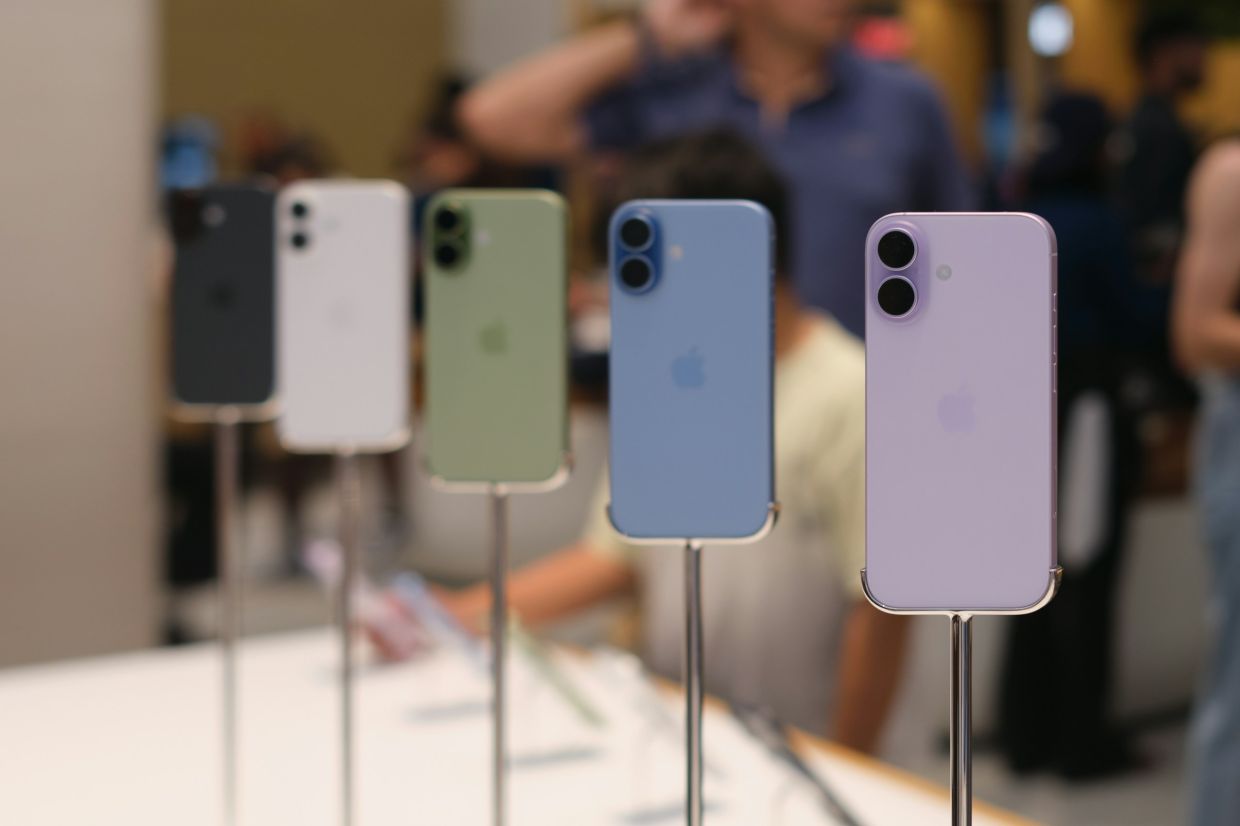
Apple's legal action against OpenAI represents far more than a conventional intellectual property dispute. By accusing the AI company of orchestrating a systematic campaign to pilfer confidential information about unreleased devices, Apple has initiated a battle that could reshape the competitive landscape of consumer electronics long before courts deliver their verdict. The allegations, which include claims that OpenAI actively solicited former Apple employees and prospective hires to transfer proprietary knowledge while providing guidance on circumventing Apple's security protocols, strike at the heart of an emerging rivalry between two technology giants operating in fundamentally different realms yet increasingly converging on the same ambition: to define the next generation of consumer hardware.
The stakes of this confrontation extend well beyond typical litigation outcomes. OpenAI has assembled an extraordinary concentration of talent poached directly from Apple's most critical divisions, with more than 400 former Apple engineers now working on its hardware initiatives. This recruitment campaign has targeted the heart of Apple's innovation engine, particularly teams that shaped the iPhone, Apple Watch and AirPods product lines. In some cases, the talent drain forced Apple to reconstitute entire engineering groups from scratch, prompting the Cupertino company to implement retention bonuses of unusual magnitude and deploy senior executives to personally convince individual engineers to remain. This unprecedented investment in keeping its workforce reflects Apple's recognition that OpenAI represents a fundamentally different competitive threat than anything it has previously encountered.
What makes OpenAI's position particularly formidable is the combination of resources now at its disposal. By uniting former Apple engineers with accomplished industrial designers such as Jony Ive and coupling this expertise with advanced artificial intelligence capabilities, OpenAI has effectively created the conditions necessary to challenge Apple's dominance in hardware. This convergence arrives at a moment when Apple itself faces structural vulnerabilities, struggling internally with artificial intelligence integration while simultaneously overhauling its hardware organisation. During testimony in Google's antitrust case, Apple services chief Eddy Cue offered a candid assessment of the stakes, warning that artificial intelligence could fundamentally render smartphone devices obsolete within a decade, suggesting that the company itself recognizes the existential nature of the technological transition underway.
However, the lawsuit's consequences are already being felt in ways that transcend formal litigation procedures. By publicly alleging systematic theft of trade secrets, Apple has created an immediate chilling effect on OpenAI's recruitment pipeline. Apple employees considering departures for OpenAI now face the prospect of internal scrutiny from security teams and leadership, introducing career risk that extends beyond traditional competitive concerns. The mere act of interviewing with OpenAI could expose individuals to questioning, effectively weaponizing the lawsuit to discourage the talent migration that powered OpenAI's hardware initiative. This dynamic operates independent of any judicial determination, meaning Apple has already begun achieving tangible effects through the filing itself rather than waiting for protracted legal proceedings to conclude.
The cultural and operational ramifications within OpenAI promise to be equally disruptive. Engineers with Apple backgrounds may become reluctant to discuss their previous work, while management structures will likely become cautious about technical discussions that could inadvertently touch on Apple's confidential information. The organisation is facing pressure to implement additional legal reviews, heightened internal compliance frameworks and training requirements that systematically divert engineering resources away from development work. Senior executives at OpenAI will increasingly find themselves in meetings with attorneys, navigating discovery processes and preparing for depositions rather than driving product innovation. Each of these institutional adjustments represents a direct tax on OpenAI's operational efficiency and development velocity.
For Southeast Asian readers and the broader regional technology ecosystem, this lawsuit carries particular significance. Asia's electronics manufacturing network, despite its vastness and sophistication, operates within a surprisingly concentrated community of component suppliers and manufacturing partners. Apple's enormous market influence means that suppliers face genuine pressure when considering deepened relationships with potential competitors. OpenAI's hardware ambitions cannot succeed without accessing this supplier network, yet many manufacturers may hesitate to commit substantial resources to the AI company given Apple's demonstrated willingness to pursue aggressive legal action and its unmatched purchasing power. This dynamic effectively extends the impact of Apple's lawsuit beyond labour markets into the physical supply chains that undergird device production, with implications for the entire region's electronics ecosystem.
The timeline for OpenAI's hardware launch adds urgency to both sides' positions. According to sources with knowledge of internal planning, OpenAI anticipates announcing its first device later this year with commercial availability targeted for 2027. However, this timeline now faces genuine pressure as the company grapples with Apple's allegations, conducts internal assessments of potential trade secret exposure and initiates its defence strategy. While initial product development reportedly remains at advanced stages, the architecture for the broader product family that OpenAI has envisioned becomes increasingly difficult to execute. The company has publicly explored smart speakers, wearables and ultimately a smartphone designed to rival the iPhone itself, yet the legal constraints now imposed on information sharing and technical discussion among its engineers will inevitably slow this expansion.
The specific nature of Apple's requested remedies reveals the strategic intent behind the lawsuit. Beyond seeking monetary damages, Apple has asked courts to mandate that OpenAI cease the alleged conduct and destroy any misappropriated proprietary materials. Bloomberg Intelligence analysts have suggested that Apple is likely to secure targeted preliminary relief tied directly to OpenAI's device efforts, potentially including orders to isolate disputed materials, preserve evidence and certify compliance. Such measures would effectively impose mandatory friction on OpenAI's development processes, requiring legal vetting of engineering decisions and creating documentation trails that slow iteration cycles. In technology development, even modest delays in decision-making can cascade into significant timeline extensions, particularly during critical hardware design phases.
OpenAI's response strategy has emphasised denial and continued commitment to innovation. Chief executive officer Sam Altman publicly stated his lack of fear regarding Apple while expressing deep respect for the company, a delicate rhetorical position designed to project confidence while acknowledging Apple's formidable capabilities. The company has declared itself focused exclusively on building innovative technology and stated it has no interest in competitors' proprietary information. Yet these statements, however sincerely intended, cannot fully address the practical constraints that the lawsuit has already imposed. OpenAI retains significant advantages, including talented engineering leadership, substantial financial resources and established relationships with key suppliers and investors, yet the litigation itself has fundamentally altered the operating environment within which these advantages can be deployed.
Apple's characterisation of OpenAI's hardware initiatives as nascent provides insight into the company's assessment of the threat timeline. If Apple views OpenAI's device ambitions as still in formative stages, then the litigation strategy appears designed to delay and constrain development during this critical phase when foundational choices are made and technical directions are established. Allowing OpenAI to mature its hardware programme without friction and operate freely in labour markets would be substantially more dangerous to Apple's interests than intervening now, when disruption to recruitment and development can genuinely reshape outcomes. This timing calculation explains why Apple proceeded with the lawsuit despite the prospect of years of legal proceedings that neither side can guarantee will be resolved before OpenAI's first products reach consumers.
The precedent established by Apple's settlement with chip startup Rivos adds weight to Apple's legal leverage. In that case, the smaller company ultimately agreed to redesign portions of its processor technology following Apple's assertion of trade secret misappropriation. If courts find merit in Apple's allegations regarding OpenAI, a similar outcome could force substantial redesigns of OpenAI's hardware products, effectively nullifying years of development work and forcing fundamental pivots in technical architecture. Such an outcome remains possible but uncertain, yet its mere possibility influences supplier decisions, investor confidence and employee morale at OpenAI.
Apple's broader hardware portfolio also positions the company to respond to whatever products OpenAI ultimately releases. The company is advancing artificial intelligence-enabled wearables including new AirPods variants, a pendant device and smart glasses, alongside developing home-oriented hardware encompassing a tabletop robot, smart home command centre with facial recognition capabilities and security systems. This diversification strategy suggests that Apple is not betting entirely on maintaining smartphone dominance but rather positioning itself across multiple device categories where artificial intelligence integration may prove decisive. This comprehensive approach acknowledges the fundamental challenge posed by OpenAI's talent concentration and technological capabilities while hedging against the possibility of a breakthrough device category emerging from OpenAI's hardware efforts.
Regional implications extend beyond corporate competition into broader questions about technology development and innovation ecosystems. Southeast Asian technology investors, manufacturers and entrepreneurs observing this dispute are receiving clear lessons about the competitive dynamics that will define the decade ahead. The concentration of talent, capital and industrial design expertise required to challenge incumbents has grown demonstrably higher. OpenAI's experience suggests that even extraordinary resources and talented engineers face formidable obstacles when established players use legal and commercial leverage to constrain competitors. For the region's technology ambitions, whether in consumer electronics, artificial intelligence or integrated hardware-software systems, the lawsuit underscores both the difficulty of disrupting entrenched players and the multi-faceted nature of competitive advantage that extends far beyond technological capability into supply chain access, regulatory standing and legal positioning.
Ultimately, Apple may achieve as much through the lawsuit itself as through any eventual judgment. The very existence of the legal action creates perception, uncertainty and friction that impede OpenAI's development velocity during precisely the years when foundational hardware products must reach maturity. Whether or not Apple ultimately proves its allegations about systematic theft, the company has succeeded in imposing costs on its competitor that extend far beyond courtroom outcomes, reshaping the landscape within which OpenAI pursues its ambition to usher in an era beyond the iPhone.

