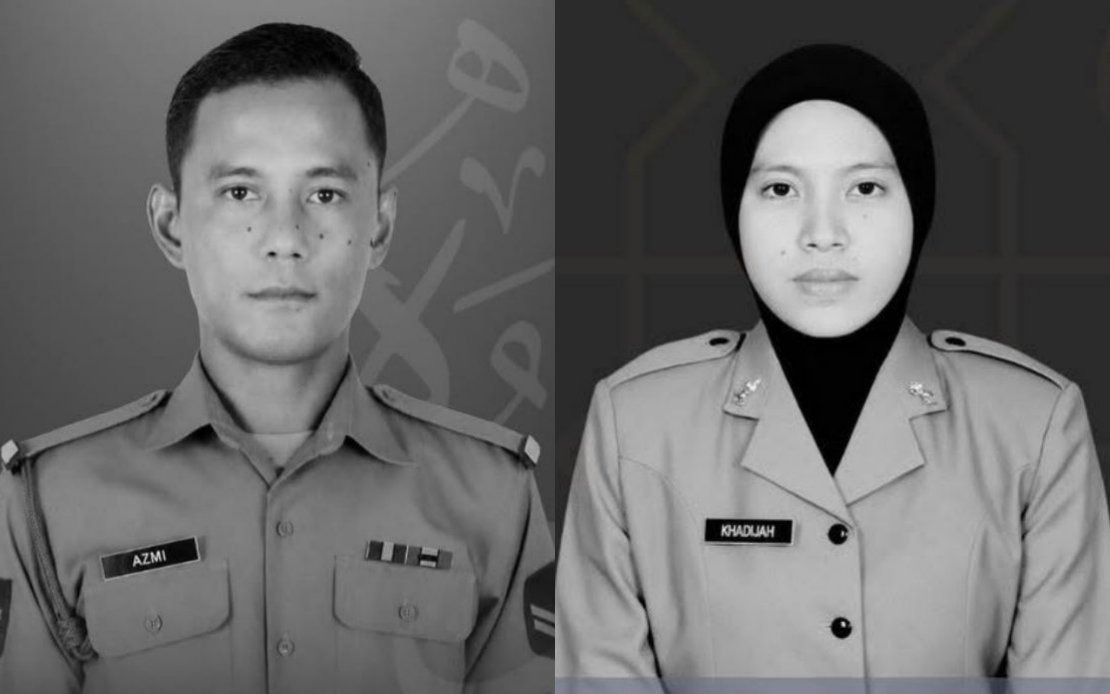
The Malaysian Army has confirmed the identities of two service personnel who died following an explosion during grenade-throwing training at the Hobart Camp shooting range in Gurun, Kedah on June 16. Corporal Norazmi Abu Bakar, attached to the 6th Battalion, Royal Malay Regiment, and Private Siti Khadijah Sungip from the 1st Squadron, Royal Army Engineers Regiment, were pronounced dead while being rushed to medical care following the incident at 10.57 am.
Both soldiers were undergoing the RAJD Combat Enhancement Training programme as part of their operational preparation under the 2nd Infantry Division when the blast occurred. The nature of grenade training inherently carries substantial risk, as soldiers handle live explosive devices in controlled environments to develop proficiency in their deployment. The fact that the incident resulted in fatalities suggests either a training protocol breach or an unexpected equipment malfunction during the exercise.
The casualties highlight a persistent tension within military training operations. Armed forces worldwide must balance the necessity of realistic, combat-relevant instruction against the duty of care owed to personnel. Live grenade exercises provide soldiers with essential skills for battlefield effectiveness, yet they remain among the most hazardous training activities. Even with established safety procedures and experienced supervisors, tragic incidents can occur when handling live explosives, particularly when multiple participants are engaged simultaneously in confined training areas.
Army Chief General Tan Sri Azhan Md Othman has ordered a comprehensive investigation to establish the precise circumstances leading to the explosion. This inquiry will examine multiple factors including whether personnel followed prescribed safety protocols, the condition of the grenades used, the configuration of the training area, and the competence and readiness of supervisory staff. The findings will be critical not only for determining accountability but also for identifying systemic improvements to prevent similar occurrences.
The remains of both soldiers have been transferred to Sultanah Bahiyah Hospital in Alor Setar for post-mortem examinations, a standard procedure in such incidents. These autopsies will provide medical documentation of their injuries and contribute to the broader investigation by establishing the sequence and nature of the blast effects. For the families of Corporal Norazmi and Private Siti Khadijah, this represents the beginning of an agonising process of grief, compounded by the knowledge that their loved ones died while serving their country during routine training.
The Army's statement emphasised that General Azhan has conveyed condolences to the bereaved families and urged them to draw strength during this difficult period. Such gestures, while standard in military responses to casualties, underscore the emotional toll that training accidents impose on service communities. The loss of personnel to preventable incidents generates profound questions about institutional accountability and operational procedures, reverberating beyond the immediate families to broader military units and the defence establishment.
Responsibility for safety in military training environments extends across multiple institutional levels. Unit commanders must ensure that personnel are properly briefed and equipped, instructors must maintain vigilant oversight, and senior leadership must establish and enforce safety standards through doctrine and regular review. The Malaysian Army's commitment to continuously reviewing and improving all aspects of training safety, as stated in their official response, represents an important acknowledgment that incidents of this nature demand systematic examination and corrective action.
For Malaysian military personnel and their families, such tragedies reinforce the genuine hazards inherent in military service. While peacetime deployments involve substantially lower risks than active combat, training exercises for combat effectiveness necessarily entail exposure to dangerous materials and conditions. The loss of two soldiers in a grenade training exercise serves as a sobering reminder that military preparedness comes with tangible human costs.
The broader context of this incident extends to questions about resource allocation and training infrastructure across the Malaysian Armed Forces. Whether the Hobart Camp facility and training protocols represent current best practices, whether personnel conducting the exercises had adequate experience and training, and whether the Army maintains sufficient oversight capacity across all training operations remain important considerations. The investigation findings may reveal whether this incident represents an isolated tragedy or a symptom of systemic gaps in training safety management.
As the investigation proceeds, the Malaysian Army faces pressure to balance transparency with operational security and respect for the grieving families. Public confidence in military institutions depends substantially on how defence leadership addresses training accidents—demonstrating both genuine commitment to preventing recurrence and accountability for any procedural failures. The outcome of the investigation and resulting policy changes will be closely monitored by military personnel, defence observers, and families across the armed forces who depend on assurances that safety remains paramount.