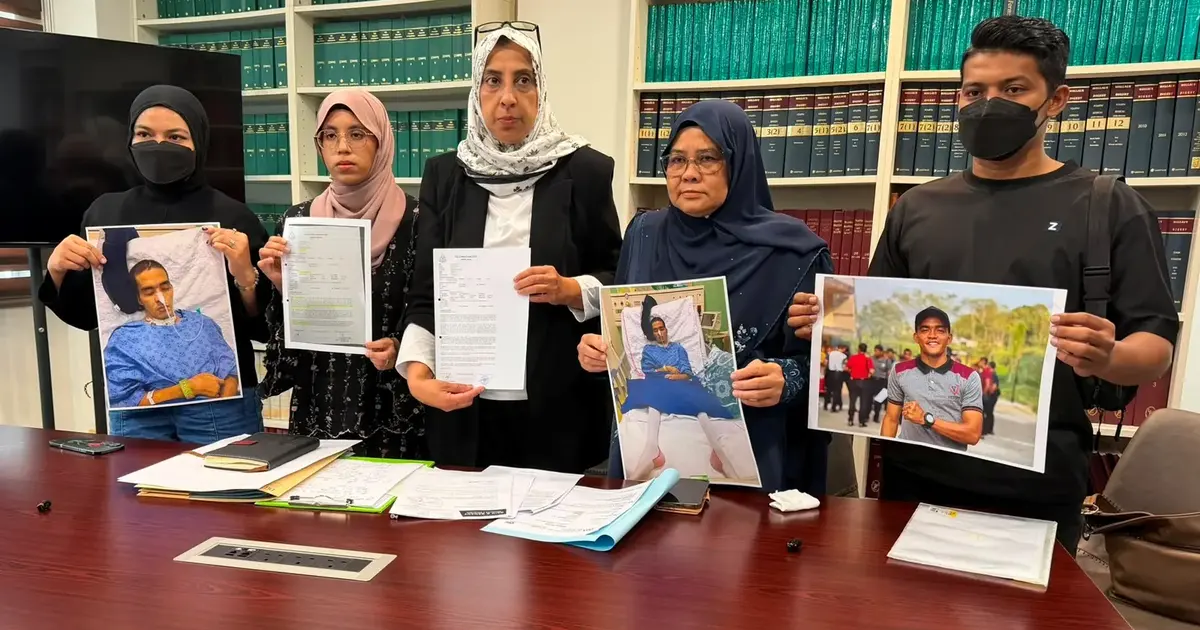
The Malaysian Army has declared that military personnel found responsible for injuring a commando will be terminated from service, marking a decisive response to an incident that has drawn scrutiny within defence circles. The announcement reflects the armed forces' commitment to maintaining discipline and accountability within its ranks, particularly concerning incidents involving serving members.
The service termination process is currently in motion, representing the institutional outcome of a thorough internal investigation that has now concluded its findings. This administrative action underscores the seriousness with which the military treats breaches of conduct among its personnel, signalling that those entrusted with positions of authority and responsibility will face consequences when their actions result in harm to fellow soldiers.
The investigation process itself appears to have been methodical and comprehensive, allowing the military hierarchy to establish clear responsibility and determine appropriate punitive measures within the service discipline framework. Internal military inquiries of this nature typically examine circumstances surrounding incidents, assess accountability across the chain of command, and recommend corrective actions aligned with military law and regulations.
However, the completion of the internal military process does not represent the final chapter in this matter. The Royal Malaysian Police have launched their own investigation into the circumstances surrounding the commando's injury, and that criminal inquiry remains ongoing. This parallel investigation reflects the potential seriousness of the incident, as it suggests the matter may warrant examination under civilian criminal law as well as military discipline protocols.
The existence of dual investigations—one internal and one external—creates a complex procedural situation typical in cases where military personnel potentially face both service discipline and criminal liability. The police investigation will operate independently of the military's administrative actions, following its own timeline and legal framework. The outcomes of both processes could carry different implications for the personnel involved, with the military action addressing employment status while police findings could result in criminal charges and prosecution.
This situation highlights the layered accountability mechanisms within Malaysia's defence establishment, where serious incidents involving military personnel can trigger responses from multiple institutional actors. The approach ensures that military discipline operates alongside civilian law enforcement, preventing any perception that the armed forces might shield members from external legal scrutiny through internal handling alone.
For the Malaysian military specifically, such incidents and their transparent handling are significant for maintaining institutional credibility and public confidence. The armed forces operate within a framework where public trust depends heavily on demonstrated commitment to ethical standards and discipline. When incidents occur despite presumably strict training and oversight protocols, the institutional response—including acknowledgment, investigation, and corrective action—becomes crucial to maintaining that trust.
The incident raises broader questions about the operational environment within the military, the stresses faced by personnel, and whether existing oversight mechanisms adequately prevent injuries among service members. Such questions become particularly relevant in a military context where hierarchical structures and command authority could potentially be misused, making transparent investigations and demonstrated consequences essential for institutional health.
For Southeast Asian militaries more broadly, how individual armed forces handle internal misconduct cases serves as a reference point for governance standards within the region's defence establishment. Malaysia's visible commitment to addressing this incident through investigation and termination demonstrates adherence to principles of accountability that other regional counterparts observe and measure against.
The ongoing police investigation will ultimately determine whether the incident constitutes a criminal matter requiring court proceedings and potential imprisonment, or whether military service termination represents the primary accountability mechanism. This distinction matters considerably for the personnel involved and for understanding the full scope of what occurred.
The timeline for completing police proceedings remains unclear, though such investigations can extend over several months depending on the complexity of evidence gathering and legal assessment required. Until the police conclude their work, the full resolution of this matter remains pending, with the military's personnel actions representing one significant step in what could be a longer process of institutional accountability.
For military personnel and their families, such incidents underscore the heightened standards of conduct that service members face compared to civilians, and the potential consequences of breaches that occur within military settings. The visible consequences also serve as a deterrent, reinforcing expected behavioural standards across the armed forces.

