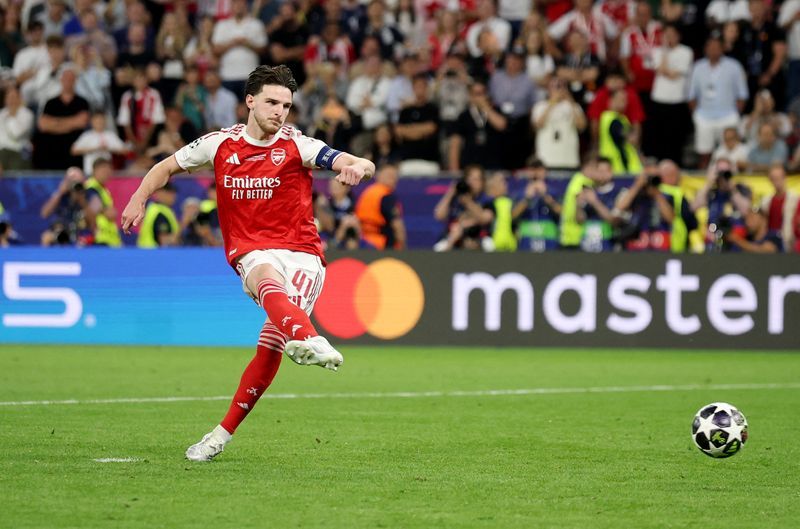
Arsenal's preparations for the new season received a significant boost on Friday when manager Mikel Arteta confirmed that three of the club's most important players would be available for Sunday's Community Shield showdown against Manchester City. Declan Rice, Bukayo Saka and Martin Zubimendi have rejoined full training after extended breaks following the World Cup and are in contention to feature despite missing the bulk of the pre-season schedule.
The availability of these three players represents a substantial advantage for the Gunners ahead of their title challenge in the forthcoming campaign. All three have been integral to Arsenal's ambitions in recent seasons, and their participation against the champions demonstrates the squad's growing depth and the confidence Arteta has in their recovery protocols. Speaking to reporters, the 44-year-old manager indicated that the trio's involvement would depend on their physical condition, but signalled optimism about their readiness for competitive football.
Saka had been dealing with an Achilles injury in the closing stages of last season, while Rice had privately managed hamstring-related neural pain since December before sustaining a subsequent knee issue. The extended rest period has given both players the opportunity to fully recover from these recurring problems, and Arteta believes this downtime will prove beneficial as they build towards the campaign ahead. Their return to training represents a psychological boost for the entire squad, as their presence elevates the overall intensity and competitiveness of Arsenal's preparation.
Beyond the immediate availability question, Arteta has identified another crucial development in the recovery of club captain Martin Odegaard. The Norwegian playmaker endured a frustrating 2022-23 season marred by persistent knee, muscle and shoulder injuries that restricted him to just 16 Premier League starts. With proper recovery and a full pre-season behind him, Odegaard represents perhaps the biggest potential unlock for Arsenal's attacking potential this term. Arteta's assessment reveals his genuine excitement about the untapped quality these players can contribute once they reach peak fitness and consistency.
The manager's comments about Odegaard and Saka hint at a broader strategic outlook: that Arsenal's ceiling this season may be significantly higher than last year precisely because of the improved availability of these seasoned performers. When injuries limited their contributions previously, the team's attacking rhythm and creativity suffered noticeably. With all three back in harness, Arsenal will possess the creative firepower and midfield control necessary to challenge Manchester City's dominance and mount a sustained title challenge throughout the domestic season.
However, Arteta's update on other squad members revealed a more mixed picture. Dutch defender Jurrien Timber is making solid progress in his recovery from a groin injury that forced him to miss the World Cup tournament entirely. The centre-back has begun pitch-based rehabilitation and is now undergoing increased loading and volume work, but Arteta cautioned that several weeks remain before Timber can rejoin full group training. The timeline suggests that the recent recruit from Ajax may not feature until late August at the earliest, potentially missing the opening fixtures of the league campaign.
Meanwhile, centre-back William Saliba continues his rehabilitation from a back injury sustained during World Cup duties. This absence means Arsenal will rely heavily on Gabrielus and other defensive options in the immediate term, creating a vulnerability in an area where depth is already questionable. The absence of two senior defenders could force Arteta to utilise unconventional arrangements at the back, potentially affecting the team's defensive solidity during a crucial period of early-season momentum-building.
The Community Shield encounter with Manchester City serves multiple purposes beyond the immediate trophy contest. For Arsenal, it provides essential competitive preparation ahead of their Premier League campaign opener against Coventry City on August 21. The match offers Arteta an opportunity to assess the physical and tactical readiness of returning players in a genuine competitive environment, information that will prove invaluable for squad selection and tactical preparation in the weeks ahead.
From a broader perspective, Arsenal's ability to field three important players just days after they conclude their World Cup breaks demonstrates the club's sophisticated approach to player management and recovery. The Gunners have clearly invested in medical and conditioning infrastructure that allows for accelerated integration of returning players. This competitive advantage, when multiplied across a full squad, can yield marginal gains that translate into meaningful differences across a long league campaign.
The philosophical difference between Arsenal's approach and other competitors may centre on their willingness to trust returning players earlier in the preparation phase. Where some clubs might err on the side of caution with players coming off extended breaks, Arteta's confidence in Rice, Saka and Zubimendi reflects his assessment of both their professional commitment and the club's medical capabilities. This approach carries inherent risks, but in the context of competing with Manchester City, such risks may be necessary.
Looking ahead to the season proper, Arsenal's injury profile will significantly influence their title prospects. The simultaneous absence of Timber and Saliba from defence is manageable in the short term but becomes problematic if extended. Conversely, the prompt return of Rice, Saka and Odegaard to full availability could prove transformative, as their combined creative and controlling influence shapes Arsenal's ability to dominate matches. The next few weeks will be critical in determining whether the Gunners can sustain their challenge or falter due to preventable setbacks.

