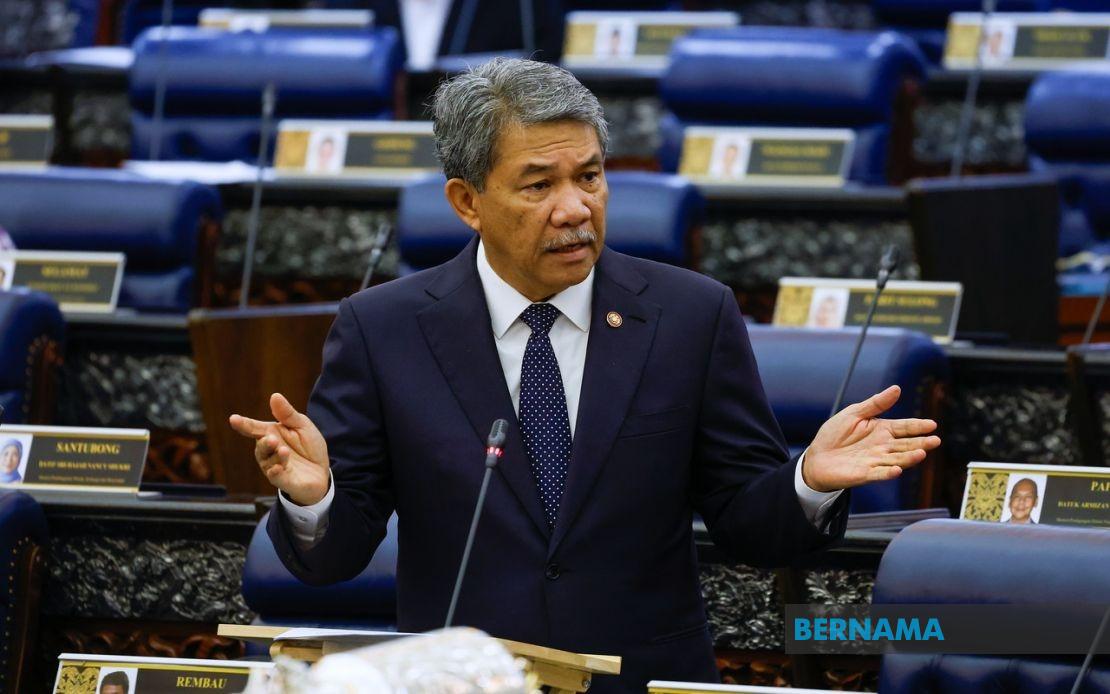
The region's diplomatic approach to Myanmar's ongoing crisis is entering a recalibration phase, with ASEAN acknowledging that its signature Five-Point Consensus framework requires renewed momentum and coordinated implementation efforts. Foreign Minister Datuk Seri Mohamad Hasan confirmed in parliament on June 25 that the bloc is actively seeking innovative methods to translate the consensus into tangible progress, recognising that despite some modest improvements on the ground, Myanmar remains far from the milestones originally envisioned by regional leaders.
The Five-Point Consensus, adopted as ASEAN's primary peace mechanism for Myanmar, has functioned as the diplomatic bedrock for regional engagement since its inception. However, the gap between the framework's ambitions and actual implementation has widened considerably, prompting ASEAN to examine whether procedural adjustments and deepened ministerial engagement might inject fresh impetus into stalled negotiations. Mohamad emphasised that the consensus itself will not be discarded; rather, regional leaders are seeking to strengthen how member states collectively support its execution with Myanmar's junta leadership.
At the 48th ASEAN Summit held in Cebu, Philippines, on May 8, regional heads of government took a deliberate step to empower their foreign ministers with a specific mandate. Rather than waiting for top-level meetings, these diplomatic officials were tasked with conducting informal dialogues directly with Myanmar's military leadership to take stock of recent developments and chart a pathway forward. This delegation of authority suggests ASEAN is attempting to create more frequent and fluid communication channels, potentially bypassing bureaucratic delays that have characterised previous engagement cycles.
The Malaysian foreign minister's parliamentary remarks reveal deeper concerns about implementation mechanics. While affirming that the Five-Point Consensus retains validity as ASEAN's guiding framework, Mohamad acknowledged that any structural modifications or tactical shifts must ultimately secure approval from all ASEAN heads of state, ensuring the bloc maintains its cherished consensus-based decision-making principle. This caveat underscores the delicate balancing act ASEAN must perform: remaining flexible enough to adapt to ground realities while preserving unity among ten diverse member states with varying interests in Myanmar's trajectory.
Malaysia, as a significant regional power and recent chair of key ASEAN mechanisms, has advanced concrete proposals aimed at sustaining dialogue momentum. The most prominent is the push to extend Myanmar's six-month ceasefire, originally scheduled to expire at the end of July, into a second phase that would facilitate more expansive peace architecture. This extension strategy attempts to preserve the fragile military pause that currently exists while creating space for negotiations on broader political reconciliation involving multiple armed actors.
Beyond ceasefire extension, Malaysia has pressed Myanmar's military regime to furnish detailed roadmaps outlining how the peace process will proceed, with particular emphasis on inclusive engagement with all relevant stakeholders. This demand for transparency and planning reflects frustration with Myanmar's opaque decision-making and suggests ASEAN believes clarity on next steps would strengthen the legitimacy and viability of future agreements. The insistence on inclusive dialogue acknowledges that sustainable peace requires buy-in from the National Unity Government, the People's Defence Force, and various ethnic armed organisations—not merely negotiations between ASEAN and the junta.
A central anxiety articulated by Mohamad concerns the geopolitical risks of Myanmar's marginalisation within regional structures. Should ASEAN's engagement falter and Myanmar become isolated from regional diplomacy, external powers with strategic interests could exploit this vacuum to deepen involvement in Myanmar's conflict. This formulation reflects ASEAN's persistent concern that great power competition, particularly involving China and India, could weaponise Myanmar's instability to advance their own regional positioning. By maintaining ASEAN's proactive role, the bloc hopes to retain influence over outcomes and prevent Myanmar from becoming a proxy battleground for extraregional powers.
Malaysia's broader commitment, as articulated by Mohamad, encompasses sustained engagement with the full spectrum of Myanmar's political and military factions. This multifaceted approach—involving conversations with the military government, the shadow National Unity Government representing opposition forces, the People's Defence Force resistance army, and ethnic armed groups—reflects recognition that no single actor controls Myanmar's political future. By maintaining dialogue channels across this fractured landscape, Malaysia positions itself as a bridge-builder capable of translating messages between competing camps and identifying potential compromise positions.
The articulation of these policy positions in parliament also serves a domestic audience in Malaysia. By demonstrating active engagement with Myanmar's crisis and explaining ASEAN's diplomatic strategy, Mohamad addresses potential parliamentary criticism that regional mechanisms lack teeth or that Malaysia remains insufficiently assertive on behalf of affected populations. The emphasis on inclusive dialogue and resistance to external interference resonates with Malaysian constituencies concerned about humanitarian suffering and regional stability.
For Southeast Asian observers, Mohamad's statements signal that ASEAN recognises the Five-Point Consensus requires not replacement but reinvigoration. The bloc is essentially attempting to operationalise commitments that were rhetorically endorsed but practically underdeveloped, tasking foreign ministers with the detailed diplomatic work that political leaders have struggled to advance. Whether increased ministerial engagement can unlock progress depends substantially on Myanmar's military leadership's willingness to move beyond tactical military holds towards genuine political settlement negotiations.
The challenge facing ASEAN extends beyond diplomatic mechanics to the fundamental question of what Myanmar's post-conflict political settlement should resemble. The mention of inclusive dialogue suggests recognition that any durable peace must address grievances of multiple communities and factions, yet no consensus exists within ASEAN—or internationally—about what political structures might accommodate these competing demands. Malaysia's proposals, while sensible, represent incremental adjustments rather than transformative reorientation of the regional approach.
Looking forward, the success of ASEAN's recalibrated Myanmar strategy will depend on whether Myanmar's military leadership interprets the renewed diplomatic engagement as opportunity for negotiated settlement or merely as space for consolidating military gains. The stakes extend beyond Myanmar itself; regional peace architecture, ASEAN credibility, and the balance of power in Southeast Asia all hinge on whether this pivotal crisis can move from military stalemate towards political resolution in coming months.

