Malaysian media and entertainment company Astro is pushing further into the competitive streaming landscape with the introduction of Astro X3, a new service designed to simplify how audiences access live television and on-demand programming. The platform requires no physical installation, marking a significant shift in the company's distribution strategy as it competes with global streaming giants and adapts to changing viewer habits across the region.
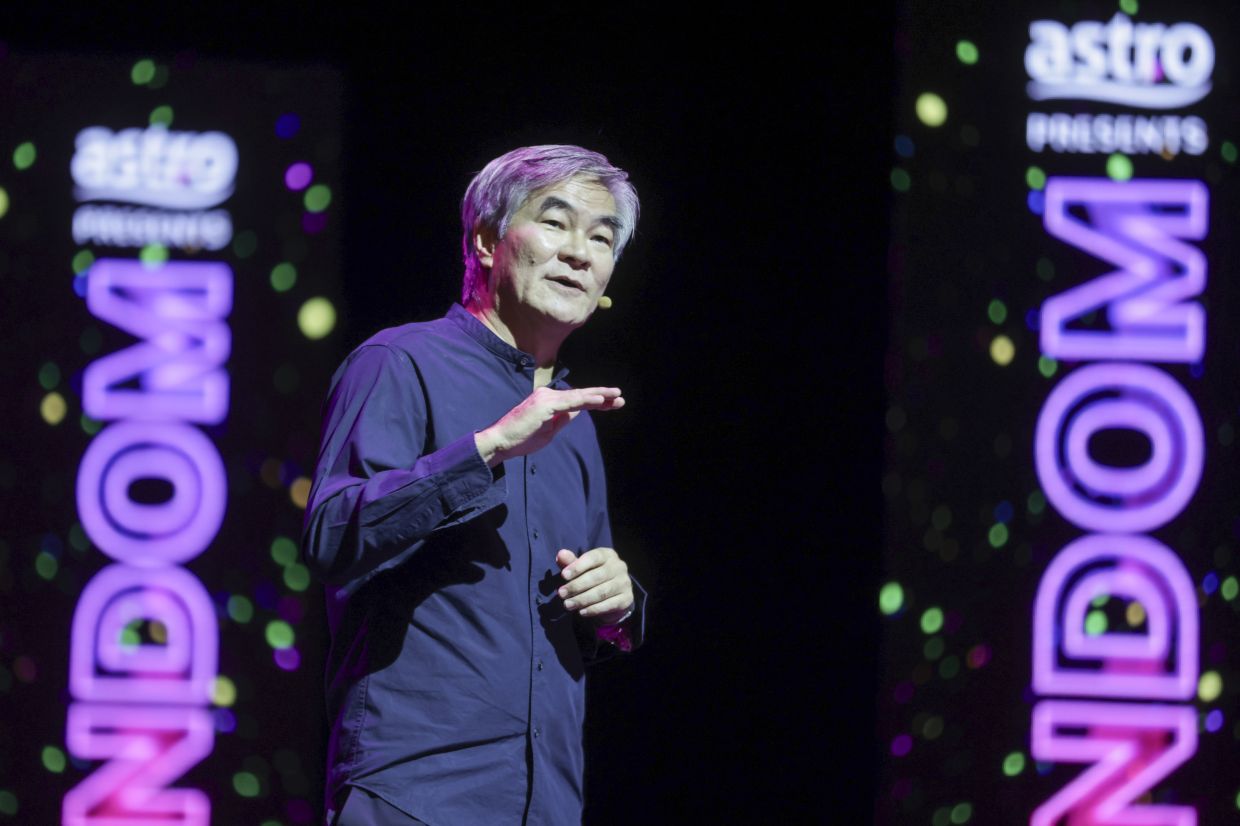
During a press briefing held on July 7, Astro Group chief executive officer Henry Tan outlined the core appeal of the new service: accessibility through simplicity. Astro X3 allows subscribers to begin watching content immediately across compatible smart televisions, smartphones and standalone streaming devices, with only a stable Internet connection required. This low-friction approach addresses a longstanding barrier to adoption in markets where traditional pay-TV installation involves technician visits and equipment setup delays.
The platform rolls out on July 20 with tiered subscription options commencing at RM39.99 per month under a 12-month contract arrangement. Package variations provide subscribers with different combinations of live television channels, on-demand films and dramas, sports programming and additional entertainment offerings. For consumers hesitant about long-term commitments, Astro plans to introduce a contract-free subscription tier in December, expanding consumer choice and potentially lowering barriers to trial adoption among price-sensitive viewers.
The timing of Astro X3's launch reflects broader industry trends in Southeast Asia, where streaming adoption has accelerated dramatically following the pandemic. Unlike legacy pay-TV models that require capital-intensive infrastructure investment, streaming platforms generate revenue with lower distribution costs and can scale rapidly across device ecosystems. For Astro, which has traditionally dominated Malaysia's paid television market, the service represents a defensive and offensive play—protecting subscriber bases from cord-cutting while capturing digital-native audiences who have never purchased traditional cable services.
Concurrently with the platform debut, Astro is strengthening its competitive position through original content commissioning. The company announced a slate of locally-produced dramas, films and live entertainment programming designed to differentiate its offering from international competitors. Among the highlighted projects is a drama centred on Karamjit Singh, the legendary Malaysian rally driver and national sporting icon, which addresses a gap in mainstream entertainment representations of Malaysian heritage and achievement.
Local actor Irfan Zaini, who takes the lead role as Karamjit, emphasised the generational responsibility embedded in the project. He expressed concern that younger audiences, particularly those from Generation Z, possess limited familiarity with Karamjit's pioneering contributions to Malaysian motorsport and national identity. Portraying a living legend presented distinct artistic challenges compared to fictional characterisations, Zaini explained, requiring extensive preparation and directorial collaboration to authentically represent a figure whose real-world achievements and public persona remain familiar to older demographics.
The original drama slate extends beyond biographical projects into romantic comedy territory with a series centred on Arsenal Football Club enthusiasts whose devotion to the Premier League team catalyses romantic entanglement. Filmed on location in the United Kingdom with participation from prominent Premier League figures, the production targets Malaysia's substantial football-supporting audience. Actor Kamal recounted his initial misunderstanding about the project's filming location, having assumed scenes would be shot at Manchester United's Old Trafford stadium before discovering production was instead centred at Emirates Stadium in London.
Kamal's participation reflects a deliberate casting strategy to appeal to Malaysian sports fans through familiar local talent. The actor described the filming experience as professionally enriching, providing opportunities to interact with professional footballers and observe live Premier League matches—benefits extending beyond typical television production work. Despite the geographical relocation from his initial expectation, he characterised the Arsenal-focused shoot as a career highlight, underscoring how Astro leverages international production partnerships to create distinctive local content.
Actress Intan, making her dramatic debut in the series following previous reality television work with Astro, similarly highlighted the transformative nature of the project. The transition from unscripted to narrative-driven formats presented fresh creative challenges and opportunities for character development unavailable in her previous television collaborations. Her participation demonstrates Astro's investment in developing Malaysian talent across multiple content categories, building roster depth that supports both established and emerging performers within the local entertainment ecosystem.
The strategic combination of infrastructure investment through Astro X3 and content differentiation through original programming reflects a comprehensive repositioning by the company. Rather than competing solely on distribution convenience or pricing with international platforms, Astro is emphasising locally-relevant storytelling and talent that resonates with Malaysian and Southeast Asian audiences. This content-plus-infrastructure approach potentially differentiates the service in a market where subscribers increasingly expect both familiar international content and culturally-specific programming addressing local narratives and interests.
For Malaysian viewers and media observers, Astro X3 represents a pivotal moment in the country's streaming evolution. The platform's launch coincides with accelerating digital transformation across Southeast Asia and demonstrates that legacy media companies retain capacity to adapt business models and compete effectively in digital-first environments. Success depends substantially on content quality, with the announced dramas and entertainment programming requiring critical and audience reception that justifies the company's investment and justifies subscriber acquisition costs in an increasingly crowded marketplace.

