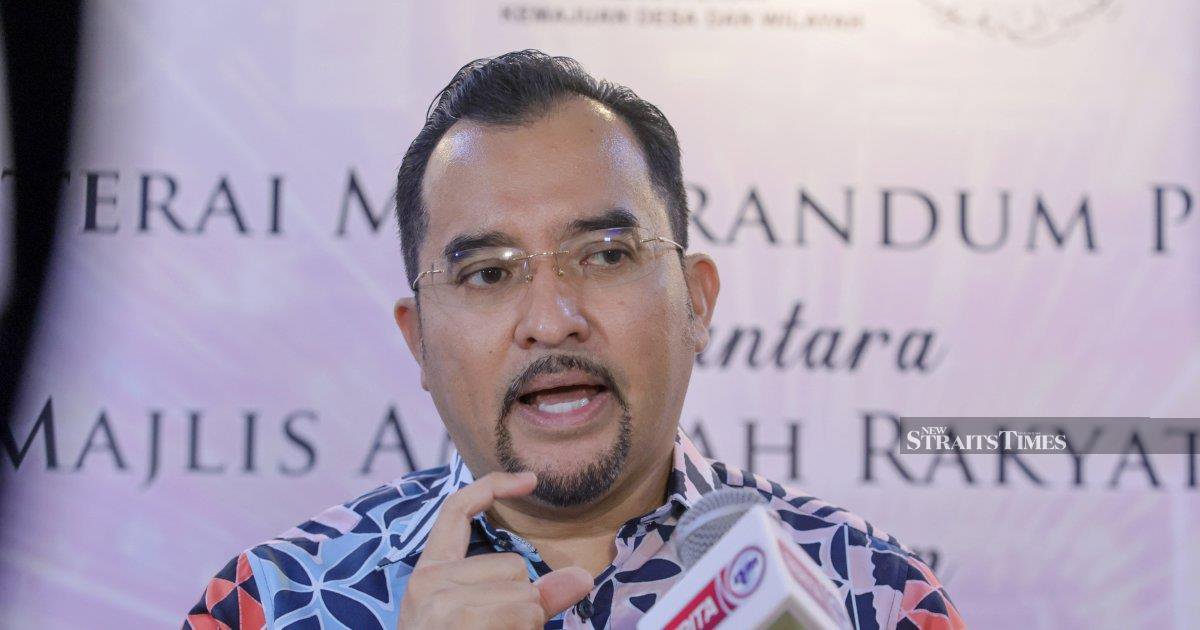
Umno secretary-general Datuk Dr Asyraf Wajdi Dusuki has categorically rejected suggestions that he wielded influence or held responsibility in matters pertaining to Tabung Haji during his previous appointment as deputy minister in the Prime Minister's Department. His statement represents a forceful rebuttal to questions regarding his potential role in financial dealings at the Islamic pilgrimage fund, an institution that manages billions of ringgit in savings belonging to Malaysian Muslims intending to perform the Hajj pilgrimage.
The denial comes amid continuing scrutiny surrounding Tabung Haji's corporate transactions and governance practices. As a statutory body entrusted with safeguarding pilgrims' savings and facilitating their religious obligations, Tabung Haji operates under significant public interest. The organisation has faced persistent examination of its investment decisions and partnerships, particularly those involving substantial capital deployment.
During his tenure in the Prime Minister's Department, Asyraf occupied a position typically involved in coordinating governmental affairs and policy implementation. The deputy ministerial portfolio, however, does not ordinarily confer direct supervisory authority over Tabung Haji's operational or commercial transactions. Such decisions typically fall under the purview of the board of directors and executive management structure specifically appointed to administer the fund's affairs.
For Malaysian readers and stakeholders invested in transparent governance at government-linked institutions, the clarification carries significance. Tabung Haji manages contributions from millions of Muslim Malaysians planning their Hajj journeys, making the integrity of its operations a matter of national concern. Governance lapses or questionable decision-making processes can directly affect pilgrims' financial security and their ability to fulfil religious obligations.
The timing of Asyraf's rebuttal appears connected to broader investigations or media inquiry into specific transactions undertaken by Tabung Haji. Such scrutiny is not unusual given the institution's prominence and the sums involved. Recent years have witnessed increased public attention to how large state-owned entities and funds deploy capital, particularly when dealings involve complex corporate structures or investment vehicles.
Umno's second-highest ranking official, Asyraf has held multiple governmental portfolios throughout his political career. His current role as secretary-general places him at the administrative centre of Malaysia's dominant political party. Maintaining clarity about his previous responsibilities and denying involvement in matters outside his legitimate authority serves to distinguish personal accountability from broader institutional questions.
The distinction between individual ministerial responsibility and institutional governance becomes crucial in discussions of Malaysian public administration. Deputy ministers typically function within defined departmental remits, with their authority circumscribed by legislation, parliamentary procedures, and cabinet-level directives. Claims of involvement in areas outside such parameters can constitute misrepresentation of authority.
For the broader Southeast Asian context, Malaysia's handling of governance questions at major financial institutions carries implications beyond domestic politics. Regional observers monitor how Malaysia addresses governance standards, particularly at entities managing significant public capital. Institutional credibility and transparent dispute resolution reflect positively on national stewardship of financial systems.
The case illustrates ongoing tensions within Malaysian governance regarding accountability, institutional autonomy, and ministerial responsibility. Tabung Haji, despite its cultural and religious significance, operates within Malaysia's public administration framework and remains subject to governmental oversight mechanisms. Clarifying the division between governmental involvement and institutional independence strengthens rather than undermines public confidence.
Stakeholders including pilgrims, regulators, and observers of Malaysian institutional governance will likely scrutinise further developments. Asyraf's denial sets a marker for the factual record, though questions about broader governance practices at Tabung Haji may persist independently of his personal involvement. The resolution of such matters typically depends on institutional investigations, audit findings, and regulatory determinations rather than individual statements alone.
Moving forward, the episode underscores the importance of transparent communication regarding roles and responsibilities across Malaysia's public sector institutions. As governance expectations rise globally and within the Southeast Asian region, clarifying who holds authority for specific decisions and when represents a foundation for institutional legitimacy and public trust in long-established bodies like Tabung Haji.

