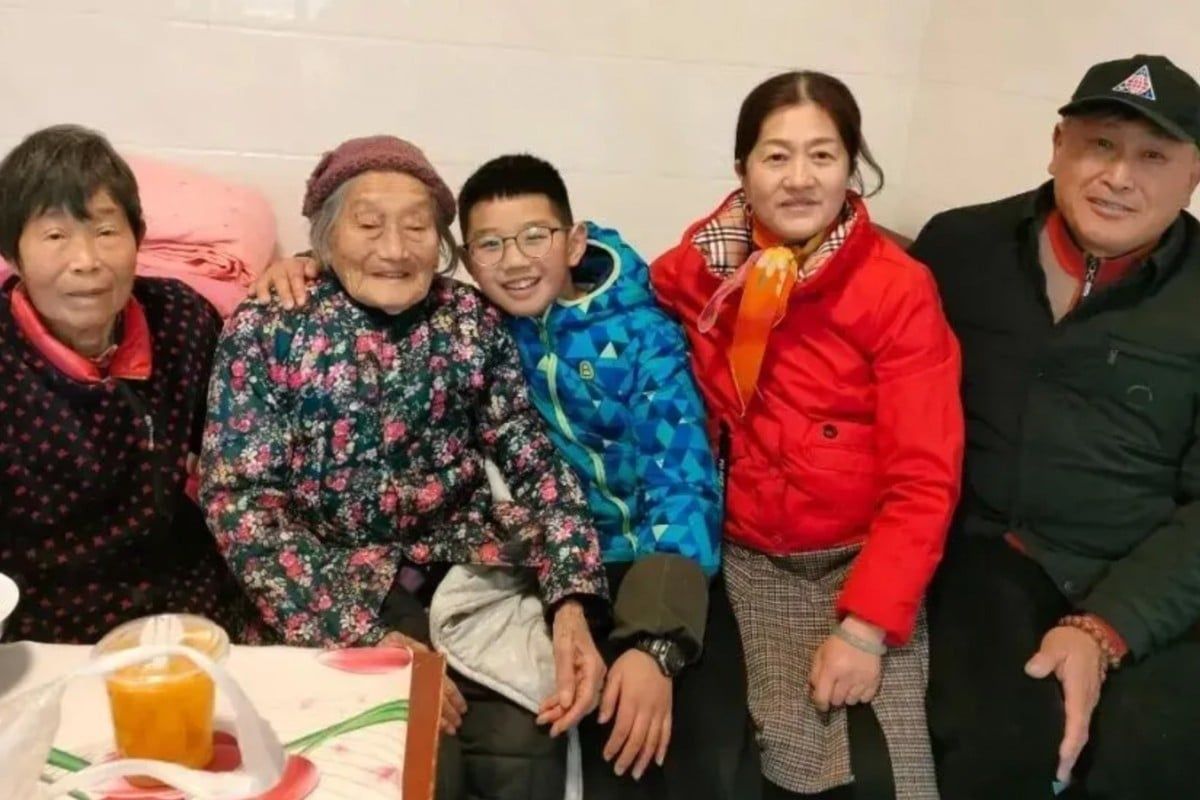
Wang Gaiying, a 111-year-old woman living in Rugao, Jiangsu province in eastern China, has drawn considerable online attention by attributing her exceptional longevity to surprisingly mundane practices: performing household chores as daily physical activity and maintaining a philosophy centred on small acts of kindness. Her case illustrates how lifestyle choices and environmental factors combine to produce the remarkable lifespans increasingly documented in China's longevity hotspots.
Rugao holds distinction as one of China's recognised "longevity capitals," a designation backed by compelling demographic data. As of February this year, the municipality was home to 672 individuals aged over 100 years, a concentration that defies typical global patterns of centenarian distribution. This prevalence has attracted sustained research interest from both domestic and international gerontology specialists seeking to understand the mechanisms underpinning such widespread longevity. The phenomenon extends beyond individual cases to suggest systemic advantages embedded in the region's geography, culture, and living practices.
Scientists at the Chinese Academy of Sciences' Institute of Soil Science in Nanjing have identified a crucial environmental factor contributing to Rugao's exceptional health outcomes. Research has determined that the region's mineral-rich soil produces crops unusually abundant in trace elements essential for human health and longevity. This geological advantage translates into superior nutritional content in locally grown produce, meaning residents consume foods naturally fortified with compounds that support cellular health and protect against age-related degeneration. Such findings suggest that geography is not merely circumstantial but constitutes a foundational determinant of population health outcomes—a lesson particularly relevant for Southeast Asian agricultural communities seeking to understand links between soil quality and public health.
Wang's household structure itself reflects traditional arrangements increasingly rare in modern China. She resides within a five-generation family unit, with her grandson now aged 60, surrounded by a network of multigenerational support and social engagement that contemporary research increasingly recognises as protective against cognitive decline and psychological stress. This domestic arrangement contrasts sharply with the isolation experienced by elderly populations in more urbanised, nuclear-family-oriented societies, highlighting how social architecture profoundly influences wellbeing independent of medical interventions.
Despite her advanced age, Wang has maintained an active work life well into her centennial years. She worked regularly in agricultural fields, harvesting peanuts and watermelons, engaging in the kind of moderate physical labour that gerontologists increasingly recommend for older adults. Though age has naturally diminished her capacity, her spirit remains characterised by purposefulness rather than resignation to physical limitation. Crucially, she resists the cultural narrative of inevitable decline, insisting she is not genuinely old because her body still permits functional movement—a psychological stance that researchers suggest may itself contribute to better health outcomes by promoting continued engagement rather than premature disengagement from life.
Wang's approach to exercise reveals an unconventional but psychologically astute strategy: she reframes domestic labour as intentional physical activity rather than mere obligation. Wiping tables, folding clothes, and managing household tasks become mechanisms for maintaining limb flexibility, promoting circulatory function, and preserving functional mobility. When family members suggest rest, she articulates a coherent philosophy: that continuous motion maintains both muscular and cardiovascular fitness while supporting cognitive sharpness. This perspective aligns with emerging gerontological evidence suggesting that habitual physical activity integrated into daily routines proves more sustainable and beneficial than segregated exercise regimens.
Nutrition constitutes another pillar of Wang's longevity strategy, though her approach emphasises simplicity and balance rather than exotic superfoods or restrictive regimens. Her family deliberately varies her meals, alternating between traditional staples such as dumplings and steamed buns, ensuring dietary diversity without complexity. She demonstrates marked preference for fish, which she values for its tender texture and digestive compatibility with her advanced age. Importantly, her philosophy resists the accumulation mentality prevalent in modern food cultures; she consciously practices restraint, believing that variety matters more than abundance and that disciplined eating prevents the metabolic stress of overeating. Social media personality Yaoqing Ge documented Wang's habits during a visit last December, noting that Wang previously consumed rice infused with baijiu, a potent traditional liquor, though her family discontinued this practice approximately five years ago, deeming the intoxication risk and associated fall hazard incompatible with her safety needs.
Beyond physical practices, Wang attributes significant weight to psychological and ethical dimensions of longevity. She maintains a deliberate personal discipline of performing one small good deed daily, whether through complimenting family members or sending greetings to elderly friends. This consistent practice of kindness embodies a philosophy linking emotional behaviour to physiological wellbeing—a connection increasingly substantiated by psychoneuroimmunological research demonstrating how sustained positive emotional states and prosocial behaviour strengthen immune function and reduce inflammation. Her renowned calm demeanour extends to conflict management; Wang consciously avoids rumination, preferring to sleep through frustration rather than dwelling on grievances. This approach leverages sleep's restorative functions while embodying an implicit wisdom: that perspective often emerges naturally after rest, rendering many immediate concerns appear less consequential than perceived in the moment.
Wang's sleep schedule reveals the discipline underpinning her wellness approach. She maintains consistent nocturnal rest from 7pm to 7am, complemented by one or two daytime naps, a pattern that optimises circadian alignment and provides adequate recovery for cellular renewal and immune function. This regularity contrasts sharply with the disrupted sleep patterns increasingly characteristic of modern life, suggesting that simple chronobiological consistency may constitute an underestimated longevity factor. The routine's predictability itself likely provides psychological benefits through the security of established patterns.
Wang's case has resonated powerfully with Chinese social media audiences, with observers noting that her longevity reflects an intersection of biological inheritance, environmental advantage, and deliberate lifestyle choices. Several commentators have remarked upon the apparent genetic resilience evident in Rugao's centenarian population, suggesting that such concentration implies heritable longevity predispositions. However, the broader insight from Wang's example extends beyond genetic determinism: it demonstrates that even individuals with longevity-favouring genetics require supportive environmental conditions, meaningful daily practices, and psychological resilience to actualise their biological potential. For Malaysian and Southeast Asian readers, Wang's story offers practical lessons transcending cultural boundaries—the value of integrating movement into routine activities, maintaining varied but moderate nutrition, nurturing social connections across generations, and recognising that longevity emerges from accumulated small practices rather than dramatic interventions.

