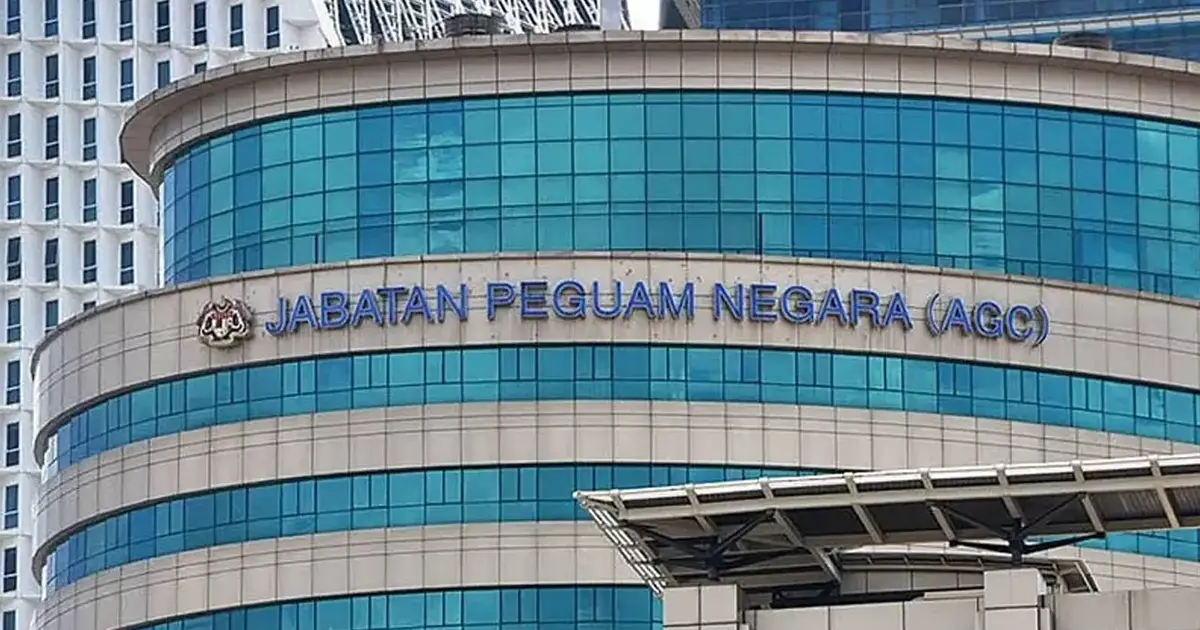
The Attorney General's Chambers is still deliberating over investigation materials related to the Durian Tunggal matter, despite the completion of a fourth resubmission of case papers approximately four weeks ago. The extended timeline has prompted the Home Minister to issue a public appeal for stakeholders and interested parties to exercise patience and permit the judicial machinery to proceed without external interference.
The repeated necessity to resubmit investigation documents underscores the complexity of the case and the thoroughness required by prosecution authorities before deciding whether to initiate formal charges. Each resubmission typically reflects feedback from the AGC regarding gaps in evidence, procedural issues, or clarifications needed in the investigative record. The iterative nature of this process, while often frustrating for observers, represents a standard safeguard in Malaysia's legal system designed to ensure that only cases with robust evidentiary foundations advance to court.
The Durian Tunggal investigation has attracted considerable public and political attention, generating widespread discussion across traditional and social media platforms. This heightened scrutiny can create pressure on legal authorities to expedite their review, yet the AGC must balance public expectations against the constitutional obligation to conduct independent, impartial assessments of all cases brought before it. The Home Minister's remarks represent an attempt to manage these competing tensions by emphasizing that rushing judicial proceedings would ultimately undermine the integrity of any eventual outcome.
For Malaysian readers unfamiliar with AGC procedure, the review phase following investigation submission involves senior prosecutors and legal specialists examining whether evidence meets the threshold required for prosecution under relevant criminal statutes. This analysis encompasses not only the strength of the material evidence but also considerations of public interest, the prospect of securing convictions, and consistency with established prosecutorial guidelines. A single submission can take weeks or months to evaluate, particularly in cases involving multiple subjects or complex factual circumstances.
The fourth resubmission itself signals that investigators responded to previous AGC requests for additional information or clarification. This collaborative process between police and prosecutors is fundamental to the Malaysian criminal justice system, yet it inevitably extends the period between investigation completion and formal charging decisions. Impatient observers sometimes misinterpret these procedural requirements as evidence of obstruction or delay, when in fact they reflect the system's intended checks and balances.
Regionally, Malaysia's approach to investigating high-profile matters draws comparison with other Southeast Asian jurisdictions. While some countries prioritize rapid public resolution, Malaysia's emphasis on thorough pre-trial vetting has produced a track record of sustainable convictions in complex cases. The extended Durian Tunggal timeline, though testing public patience, reflects this institutional commitment to prosecutorial rigor rather than political expedience.
The Home Minister's intervention carries particular significance given the political sensitivities surrounding any case of national prominence. By publicly urging restraint and emphasizing respect for legal processes, the minister effectively insulates the AGC from political pressure while simultaneously signaling government commitment to rule of law principles. This rhetorical positioning matters enormously in maintaining public confidence in prosecutorial independence, an asset that grows increasingly valuable when controversial cases ultimately reach trial.
Observers tracking the Durian Tunggal matter should anticipate that the AGC review could extend several additional weeks before a determination emerges. Prosecution authorities are unlikely to communicate timelines publicly, as doing so would invite further speculation and potentially compromise prosecutorial discretion. Instead, formal announcements typically arrive only once the AGC has completed its assessment and reached a conclusive decision regarding charging recommendations.
The broader institutional challenge illustrated by the extended timeline reflects Malaysia's growing caseload and the resource constraints facing the legal system. The AGC, like many prosecutors' offices globally, manages investigations across dozens of concurrent matters, each competing for experienced legal personnel's limited time. While systemic pressures cannot excuse indefinite delays, they do provide context for understanding why even straightforward cases sometimes require multiple submission cycles.
Stakeholders awaiting clarity on the Durian Tunggal investigation should prepare for the possibility that the final AGC determination may surprise expectations formed during the investigative phase. Public narratives surrounding ongoing cases often diverge significantly from the legal assessments prosecutors ultimately develop. The AGC's duty extends beyond reflecting popular sentiment to rendering independent judgment based exclusively on legal principles and evidentiary standards.
For Malaysian citizens concerned about the pace of investigations generally, the Durian Tunggal matter exemplifies why judicial systems worldwide employ deliberate, sequential review processes despite public frustration. Premature conclusions or pressure-driven charging decisions have historically produced reversals on appeal and erosion of prosecutorial credibility. The Home Minister's call for patience essentially advocates preserving systemic integrity over short-term political convenience, a distinction that matters profoundly for long-term justice outcomes.

