Australia's transport safety regulator has launched a formal investigation into a cluster of dangerous runway incidents at Sydney Airport, where three near-collisions occurred within just two weeks, exposing potential vulnerabilities in one of the country's busiest aviation hubs. The Australian Transport Safety Bureau confirmed the probe on Friday, August 14, after the occurrences raised significant safety concerns among aviation authorities and prompted scrutiny from the highest levels of government.
The most recent incident unfolded on the morning of August 9 when a Virgin Australia Boeing 737 had received clearance from air traffic control to begin its takeoff roll. As the aircraft accelerated down the runway, its crew spotted a Qantas plane that had also been authorised to cross the runway directly ahead of them. In a critical moment, the Virgin Australia pilots applied full brakes and managed to halt their aircraft approximately one kilometre away from the Qantas jet, preventing what could have been a catastrophic collision involving hundreds of passengers and crew members.
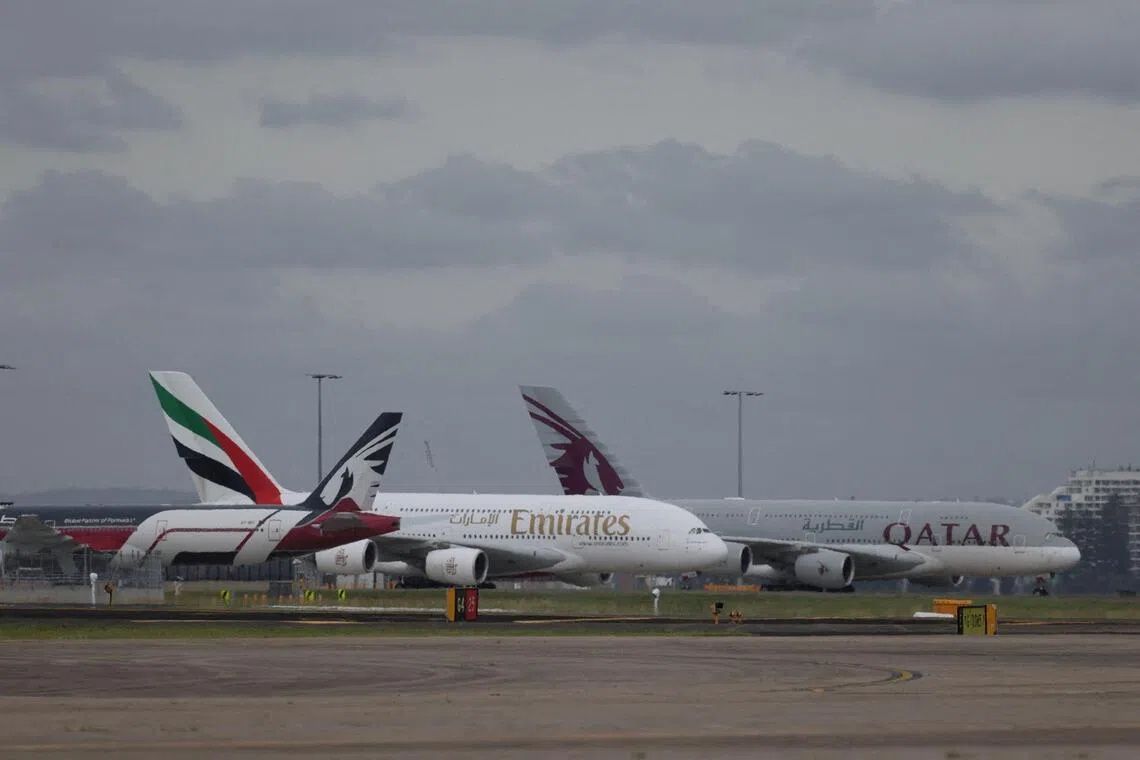
Complicating matters further, the same day witnessed a second incident when a Jetstar pilot was forced to execute an emergency braking manoeuvre to avoid striking a Qatar Airways aircraft. These two accidents-nearly-averted within hours of each other underscored systemic concerns about coordination and communication within Sydney Airport's control tower. The concentration of incidents prompted immediate escalation, with Transport Safety Bureau Chief Commissioner Angus Mitchell acknowledging the gravity of the situation and committing to a thorough examination of the factors that allowed such dangerous scenarios to develop.
The safety concerns extended beyond the August 9 incidents. Earlier in the month, on July 27, two Qantas aircraft narrowly avoided a collision after both had been cleared for takeoff simultaneously. This prior occurrence suggested that the August incidents were not isolated anomalies but rather part of a troubling pattern warranting comprehensive investigation. The cumulative effect of three near-misses within a fortnight has intensified focus on operational procedures at Sydney Airport, one of Australia's most critical aviation gateways handling tens of thousands of passengers daily.
Investigators face a complex challenge in determining how multiple aircraft received conflicting clearances or failed to maintain adequate separation distances during critical flight phases. Mitchell emphasised that authorities would examine all variables contributing to the incidents, including the airport's operational tempo during the period, the number of personnel staffing the control tower, and the broader context of air traffic management procedures. The investigation will necessarily look beyond the immediate actions of individual controllers to assess whether systemic or organisational factors created conditions where such errors became more likely.
The timing of these incidents has coincided with a period of significant expansion and recalibration within Australia's aviation sector. Mitchell highlighted that the country is currently experiencing a substantial surge in recruitment, training, and qualification of air traffic controllers, a necessary response to the resumption of international air services and the recovery of domestic travel patterns following pandemic disruptions. This expansion phase, while essential for meeting demand, can paradoxically introduce vulnerabilities as new personnel move through various stages of competency development and experience.
A particularly troubling aspect of the August 9 incident was the extended delay before it was formally reported and disclosed to aviation authorities. The revelation that a supervisory or training situation was occurring at the time of the near-miss adds another layer of complexity to the investigation, suggesting that operational circumstances may have affected normal reporting protocols or incident documentation procedures. Such delays in incident reporting undermine the aviation industry's safety culture, which depends on rapid communication to identify patterns and implement corrective measures swiftly.
Prime Minister Anthony Albanese weighed in on the matter, joining calls for a thorough investigation and underlining the government's commitment to aviation safety. The political attention reflects broader public concern about the safety implications of such incidents, particularly given Australia's role as a regional aviation hub serving Southeast Asia and the Indo-Pacific. Any sustained erosion of safety standards at Sydney Airport could have implications for confidence in Australian aviation oversight and potentially affect aviation partnerships with neighbouring countries.
For Malaysian and Southeast Asian aviation stakeholders, the Sydney Airport incidents carry particular resonance. Many regional carriers operate regular services through Sydney, and the concentration of near-misses raises questions about the resilience and robustness of one of the region's most important international aviation gateways. The investigation findings may influence assessments of Sydney Airport's operational standards and could inform safety protocols at other major regional hubs contending with similar challenges of managing high-volume air traffic during recovery and expansion phases.
Mitchell's commitment to examining all evidence and circumstances demonstrates the systematic approach the Australian Transport Safety Bureau is taking toward the investigation. The focus on understanding not merely what went wrong but why demonstrates an inquiry structure oriented toward preventing recurrence rather than assigning individual blame. This approach reflects international best practices in aviation safety investigation, though the urgency surrounding the multiple incidents suggests authorities recognise the pressing need for swift identification and implementation of any necessary corrective measures.
The incidents also raise questions about whether existing separation protocols, clearance procedures, and communication systems at Sydney Airport remain adequate for current and projected traffic volumes. As Australia and the region continue to expand aviation capacity to meet growing demand, ensuring that safety systems and staffing levels scale proportionately with traffic growth becomes increasingly critical. The investigation's conclusions will likely influence decisions about investment in infrastructure, technology, and personnel across Australian aviation authorities.

