Scientists at Australia's Walter and Eliza Hall Institute of Medical Research have unveiled a transformative approach to malaria prevention that reimagines the role of mosquito bites in disease control. Rather than viewing insect contact as merely a transmission pathway, the new strategy converts subsequent exposures into natural immune reinforcement mechanisms, addressing a persistent global health challenge that claimed an estimated 610,000 lives worldwide in 2024 according to the World Health Organisation.
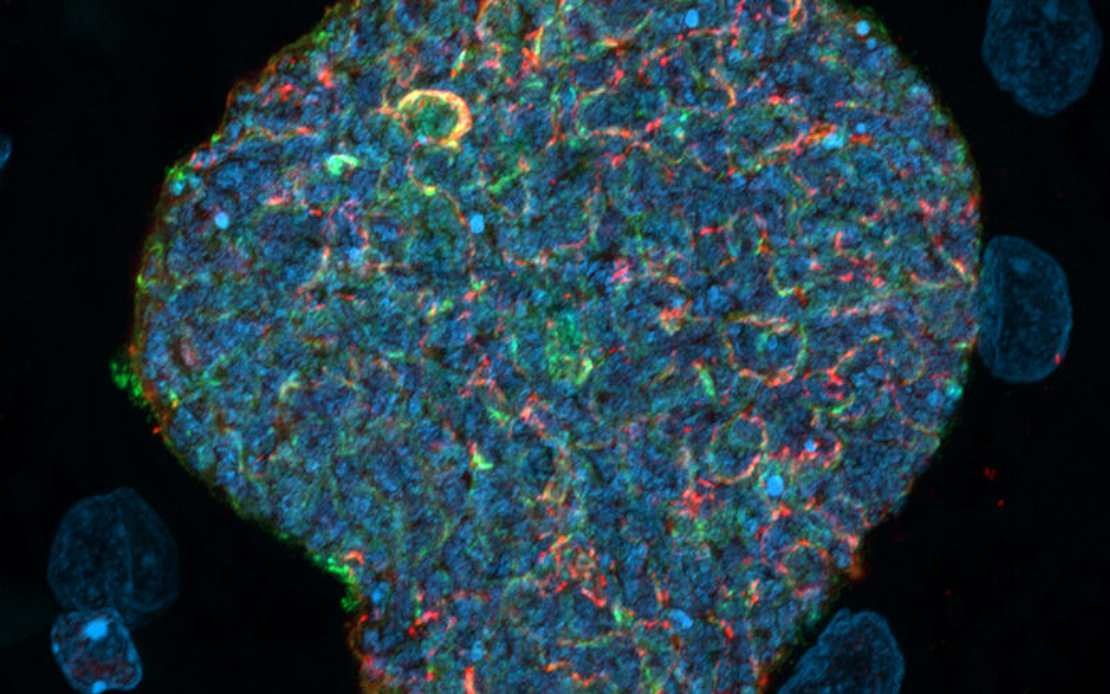
The innovation centres on a dual-component system combining initial immunisation with investigational antimalarial compounds developed jointly by the Walter and Eliza Hall Institute and pharmaceutical company MSD. These compounds function by intercepting malaria parasites at a critical developmental window—the late liver stage—preventing them from advancing into the bloodstream where they would trigger clinical disease. This precise intervention point proves crucial because it allows the immune system to recognise and respond to the pathogen without experiencing the severe symptoms associated with active malaria infection.
The mechanism behind this approach demonstrates sophisticated understanding of parasite biology and immune physiology. Once the initial vaccination primes immunity through controlled exposure to arrested parasites, subsequent natural mosquito bites can function as biological booster doses. Rather than representing a threat, these naturally occurring exposures reinforce protective immunity accumulated over time, creating what researchers term a "vaccinate and boost naturally" paradigm particularly suited to malaria-endemic regions where mosquito contact is virtually unavoidable.
For Southeast Asian nations including Malaysia, where malaria remains endemic in certain peninsular and East Malaysian regions, this development carries significant implications. The approach addresses a longstanding challenge in disease elimination efforts: maintaining and strengthening population immunity in areas where transmission persists despite control measures. Current strategies typically rely on antimalarial drugs and vector control, which face challenges from emerging drug resistance and insecticide resistance in mosquito populations. A system leveraging natural exposure cycles could complement existing interventions while reducing medication burden.
The research methodology involved demonstrating that the antimalarial compound compounds could reliably halt parasite development at the liver stage, a critical precondition for safety and efficacy. The team's findings indicate that this interruption triggers sufficient immune recognition to generate durable protective responses without causing disease manifestations. This represents a departure from traditional vaccine approaches that typically employ weakened or inactivated pathogens, instead utilising the body's natural infection-fighting mechanisms within a controlled framework.
Commercialisation efforts are advancing toward practical deployment, with the research team confirming that a long-acting injectable formulation based on these compounds is undergoing preclinical development. This pharmaceutical form addresses practical considerations essential for implementation in resource-limited settings characteristic of many malaria-endemic regions. Long-acting injectables reduce treatment frequency requirements, improve adherence, and simplify supply chain management—factors critical for successful public health interventions across the developing world.
The strategic advantages of this approach extend beyond basic efficacy. By integrating natural exposure cycles into a deliberate immunity-building framework, the method potentially reduces dependency on continuous pharmaceutical interventions or intensive vector control campaigns. This could substantially lower long-term disease management costs while improving sustainability in lower-income settings where budget constraints frequently limit malaria control program scope. Additionally, the approach may generate more robust and durable immunity compared to conventional vaccines, given the continuous reinforcement through natural exposure.
Malaria's persistence as a global health burden underscores the necessity for innovative prevention strategies. The disease disproportionately affects populations in sub-Saharan Africa and Southeast Asia, regions where healthcare infrastructure limitations and competing public health priorities often constrain disease elimination efforts. Malaysia's experience managing malaria reduction, with declining but persistent transmission in specific geographic areas, illustrates how new approaches could accelerate progress toward elimination goals increasingly adopted across the region.
The partnership between the Walter and Eliza Hall Institute and MSD demonstrates the importance of collaborative research involving academic institutions and pharmaceutical entities in addressing neglected tropical diseases. Such partnerships can bridge the gap between fundamental research discoveries and practical therapeutic development, accelerating the translation of scientific insights into deployable solutions. For Southeast Asian research institutions and public health authorities, this model suggests promising avenues for strengthened engagement with international scientific networks.
Implementation timelines for this novel approach remain uncertain given the preclinical stage of injectable formulation development, but successful progression through clinical trials could position this strategy as a complementary tool in the broader malaria elimination toolkit within five to seven years. Regional health authorities including Malaysia's Ministry of Health may benefit from monitoring trial progression and preparing adaptation frameworks for potential integration into national malaria control programs, particularly in endemic zones where conventional approaches have plateaued.
The conceptual significance of this research extends beyond immediate malaria control applications. It demonstrates how fundamental understanding of host-pathogen interactions, combined with rational drug design, can generate innovative prevention paradigms that work with rather than against natural epidemiological patterns. As antiparasitic and antimicrobial resistance increasingly constrains traditional pharmaceutical approaches globally, similar integrative strategies may offer promising directions for addressing other persistent infectious diseases affecting developing regions.

