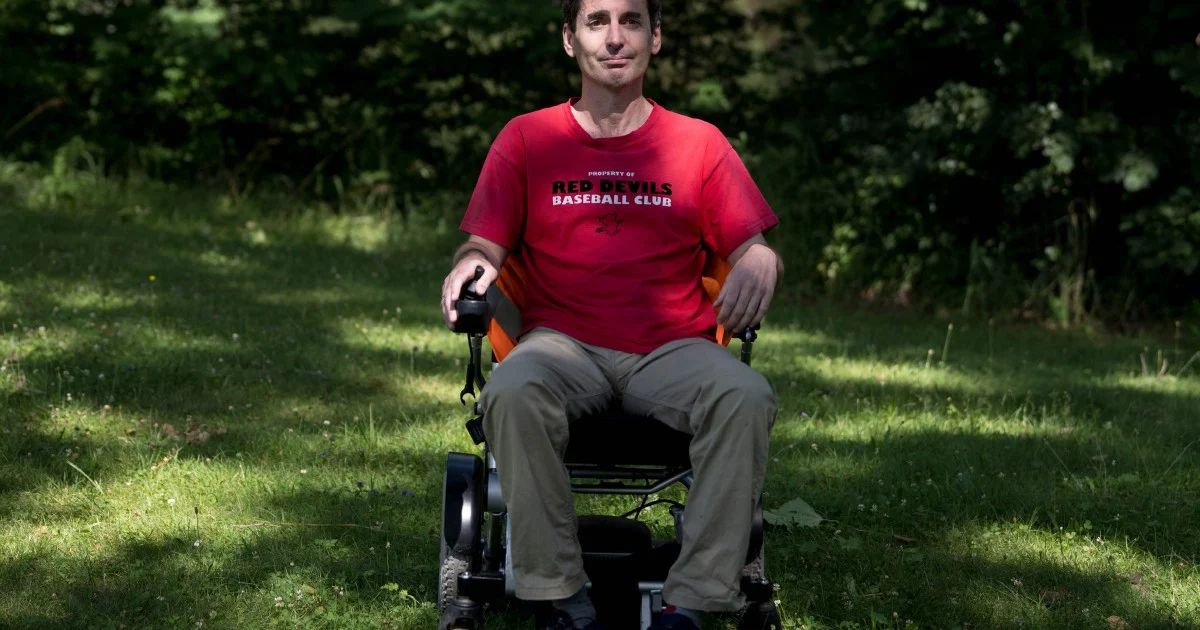
Mex Muellner, confined to a wheelchair, spent the sweltering days of Austria's latest heatwave acutely aware that his country's sluggish response to climate change was putting his life at risk. As temperatures soared across Central Europe, the 33-year-old's confinement became more than a physical constraint—it became a catalyst for legal action. Sweating through the oppressive heat in his wheelchair, Muellner grew increasingly persuaded that pursuing a case against Austria through international human rights mechanisms was not merely justified, but essential. His lawsuit represents a growing wave of climate litigation driven by individuals who see themselves as direct victims of governmental negligence on environmental policy.
Muellner's case highlights a critical intersection between disability rights and climate justice that remains largely overlooked in mainstream environmental discourse. People with mobility impairments, chronic illnesses, and other disabilities face disproportionate risks during extreme weather events, yet their voices remain marginalised in climate policy discussions. During heatwaves, those confined to wheelchairs cannot easily access cooling centres or move to shade without assistance. The physiological demands on their bodies increase substantially, yet public infrastructure and emergency planning often fails to account for their specific vulnerabilities. For Muellner, each heatwave becomes a test of survival rather than an inconvenience, underscoring how climate change amplifies existing health inequities.
Austria's climate credentials, despite its reputation as an environmentally conscious nation, have been increasingly questioned in recent years. The country has struggled to meet its European Union emissions reduction targets and has faced criticism for insufficient action on renewable energy transition. Meanwhile, summer temperatures across Austria have climbed steadily, with heatwaves becoming more frequent and intense. The scientific consensus links this trend directly to anthropogenic climate change, yet policy responses have lagged considerably behind the scientific evidence. Muellner's decision to pursue legal remedies reflects growing frustration among Austrian citizens who believe their government has failed to implement necessary measures despite decades of warnings from climate scientists.
The strategy of using human rights courts to challenge climate inaction has gained momentum across Europe in recent years. Legal scholars argue that the right to life, health, and dignity—enshrined in international human rights conventions—creates enforceable obligations for governments to take meaningful climate action. Austria, like all signatories to the European Convention on Human Rights, is theoretically bound by these principles. Muellner's case tests whether courts will interpret these protections broadly enough to encompass climate-related harms. If successful, such litigation could establish important legal precedents holding governments accountable for climate negligence, potentially opening pathways for similar cases across the European continent.
The physical reality of extreme heat for disabled individuals extends beyond mere discomfort. Those with mobility disabilities face challenges accessing air-conditioned facilities, obtaining adequate hydration, and managing medication that may be temperature-sensitive. Cardiovascular and respiratory conditions are exacerbated by sustained high temperatures. Persons with cognitive disabilities may not recognise heat-related dangers or remember to take protective measures. Muellner's case implicitly argues that Austria's failure to adequately prepare for intensifying heatwaves constitutes a violation of his fundamental rights as a person with disabilities. This framing moves climate action beyond environmental rhetoric into the domain of human dignity and equality before the law.
The broader context of European climate policy adds weight to Muellner's position. The European Union has committed to the European Green Deal and increasingly ambitious climate targets, yet individual member states show varying levels of commitment in implementation. Austria generates a substantial portion of its electricity from hydroelectric power, giving it certain advantages in decarbonisation, yet sectors such as transportation and heating remain heavily fossil-fuel dependent. Critics contend that Austria has relied on these existing renewable advantages without pursuing transformative changes necessary to meet climate goals. For individuals like Muellner experiencing acute harm from climate impacts, such incremental approaches feel inadequate.
Muellner's decision to pursue this case also reflects broader shifts in disability advocacy toward intersectionality and systemic justice. Rather than viewing disability and climate as separate policy domains, disability rights activists increasingly recognise that climate change disproportionately affects marginalised communities, including persons with disabilities. This perspective demands that climate policies be designed with accessibility and equity at their core, rather than treating disabled persons as an afterthought in environmental planning. Muellner's lawsuit becomes a vehicle for asserting that climate action and disability justice are inseparable imperatives.
The potential ramifications of this case extend beyond Austria. Southeast Asian nations, including Malaysia, face intensifying climate impacts and already experience severe seasonal heatwaves affecting vulnerable populations including persons with disabilities. While legal frameworks differ, Muellner's case may inspire regional climate litigation strategies. Malaysian environmental and human rights advocates increasingly recognise that accountability mechanisms are necessary to compel government action. The precedent of holding governments liable for climate-related harms to protected groups could influence how Southeast Asian courts approach climate and human rights cases in coming years.
From a practical standpoint, Muellner's case underscores the need for comprehensive heat action plans that specifically address vulnerable populations. Effective climate policy requires not just emissions reductions, but immediate adaptation measures ensuring that disabled persons, elderly individuals, and others at heightened risk have access to cooling facilities, emergency support systems, and advance warning of extreme weather events. Austria and other developed nations must integrate disability inclusion into climate adaptation planning, moving beyond compliance documents to genuine implementation that protects the most vulnerable members of society from climate-intensified hazards.

