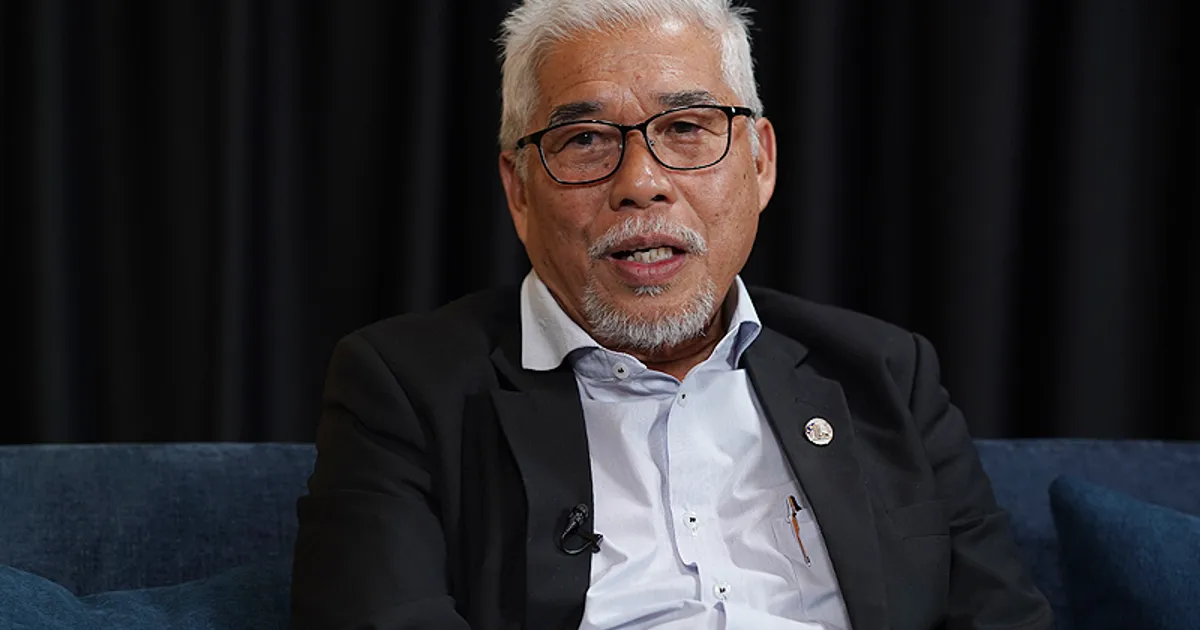
PKR's Hassan Karim has urged the relevant authorities to launch comprehensive criminal investigations into a range of serious allegations that have come to light through the Tabung Haji royal commission of inquiry, signalling renewed pressure on law enforcement to act decisively on findings from the high-profile probe into the Islamic pilgrimage fund's operations.
The parliamentarian identified four distinct categories of potential criminal conduct that warrant formal investigation, reflecting the depth and breadth of misconduct allegations that have surfaced during the inquiry process. His call represents a significant escalation in political demands for accountability, moving beyond the inquiry phase into the realm of potential prosecutions that could see individuals held criminally liable for their actions.
The prospect of financial deception sits at the heart of Hassan Karim's concerns regarding Tabung Haji's management. This category of alleged wrongdoing points to possible systematic misrepresentation of the fund's financial position, raising fundamental questions about how effectively the institution's leadership communicated the true state of its finances to pilgrims and stakeholders. The implications of such deception extend beyond mere accounting irregularities—they suggest a deliberate attempt to obscure problems that may have had serious consequences for millions of Malaysians who entrust their savings to the fund for their hajj journey.
Falsified accounts represent another pillar of the alleged misconduct that Hassan Karim believes requires criminal scrutiny. The manipulation of financial records goes to the very core of institutional integrity and raises concerns about whether audited statements presented to the public and regulatory bodies accurately reflected actual transactions and asset values. For a trust established to serve Malaysian Muslim pilgrims, such breaches of record-keeping standards represent a fundamental betrayal of fiduciary responsibilities and undermine public confidence in the organisation's ability to safeguard entrusted funds.
The reference to unlawful hibah payments introduces a distinctive element rooted in Islamic jurisprudence and governance. Hibah, or religious endowments, when disbursed improperly or without appropriate authorisation, can constitute a misuse of institutional resources intended for specific purposes. The characterisation of these payments as unlawful suggests that Tabung Haji may have distributed funds in ways that contravened either its charter, Islamic principles governing such transfers, or both. This particular allegation carries weight because it challenges the institution's fundamental mission to uphold Islamic values in managing pilgrimage funds.
Criminal breach of trust forms perhaps the most serious of the alleged infractions, implying that individuals entrusted with positions of responsibility at Tabung Haji may have deliberately acted against the interests of the fund and its members. Such breaches typically involve a conscious abuse of authority or position for personal gain or to benefit third parties, and they strike at the heart of what makes any financial institution worthy of public trust. For an organisation holding savings accumulated over years by ordinary Malaysians, such violations represent a profound betrayal.
The Tabung Haji royal commission of inquiry has operated in the public eye for an extended period, and its eventual findings have generated significant concern about the management lapses and potential impropriety that occurred during key periods of the fund's recent history. The inquiry itself emerged from growing concern about investment decisions and operational transparency that ultimately prompted the government to establish this mechanism to examine the institution's affairs comprehensively.
Hassan Karim's intervention carries particular weight given the PKR's role in the political landscape and its traditional emphasis on transparency and good governance. His public call for criminal investigations sends a message that opposition figures are monitoring how authorities respond to the inquiry's revelations, and that political pressure will persist if enforcement agencies appear reluctant to prosecute potential wrongdoing regardless of individuals' seniority or connections.
The potential for criminal prosecutions could reshape accountability frameworks across Malaysia's statutory bodies and fund management institutions. If authorities proceed with investigations and successfully prosecute cases arising from Tabung Haji's operations, it may establish a precedent that no organisation or individual is beyond scrutiny, regardless of their historical standing or government connections. Conversely, if inquiries go unmatched by criminal action, it may send an undesirable signal about institutional accountability.
For Malaysian pilgrims and prospective hajj-goers, these developments represent a critical juncture in determining whether their savings remain secure within Tabung Haji or whether systemic problems require broader reforms. Many Malaysians depend on the fund's stability for their religious obligations, making the resolution of these allegations consequential for millions of families.
The call for criminal investigation also reflects broader Southeast Asian concerns about institutional governance and financial oversight, particularly as other nations grapple with similar questions about trust in government-linked funds and statutory authorities. How Malaysia's authorities respond to Hassan Karim's appeal will reverberate across the region as stakeholders assess the strength of governance mechanisms in comparable institutions throughout Southeast Asia.

