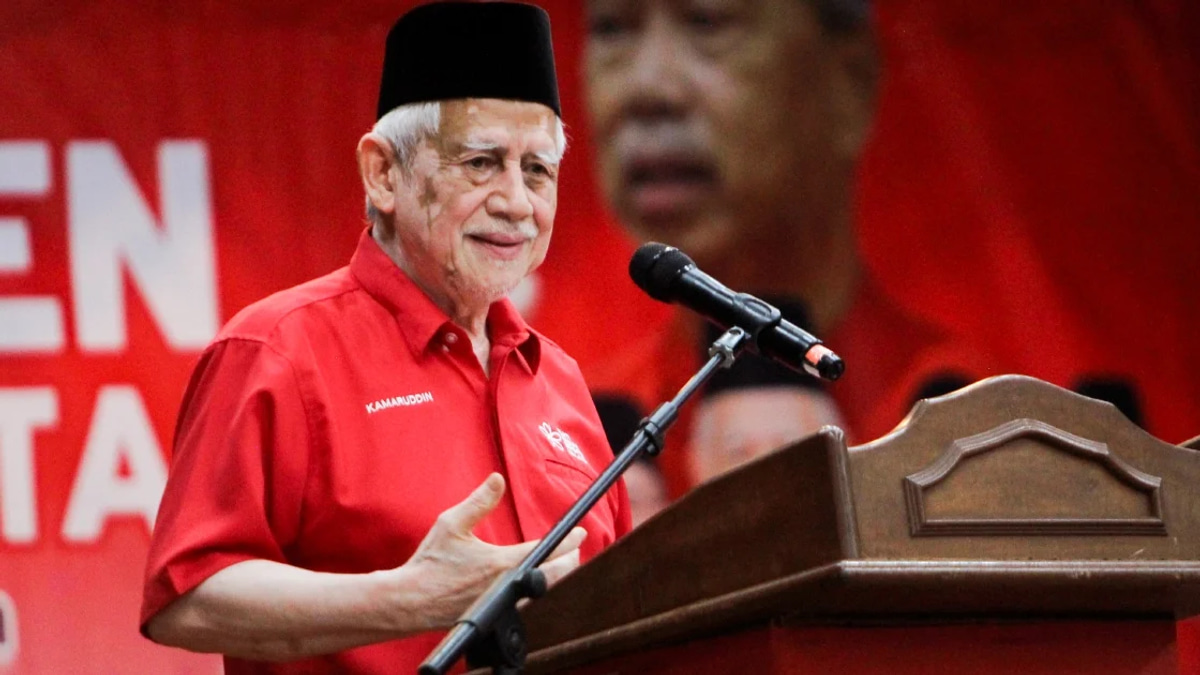
Perikatan Nasional (PN) has undergone a significant leadership restructuring, with Azmin Ali being relieved of his position as part of broader organisational changes within the coalition. PN chairman Ahmad Samsuri Mokhtar confirmed the reshuffle, positioning it as a strategic realignment designed to strengthen the coalition's positioning ahead of critical electoral contests.
The timing of this personnel change reflects PN's need to recalibrate its political strategy before the impending state elections in Johor and Negeri Sembilan. State-level contests represent crucial opportunities for coalitions to demonstrate electoral strength and validate their appeal beyond federal politics. For PN, which has experienced fluctuating fortunes since the collapse of the Muhyiddin Yassin-led federal government, these elections carry particular significance as barometers of grassroots support and organisational effectiveness.
Azmin Ali's removal from his PN role marks another chapter in the politician's turbulent career trajectory. The Port Dickson member has been a polarising figure within Malaysia's political landscape, his trajectory marked by shifts between major coalitions and periods of internal friction within his current political base. His departure from the PN leadership structure, while officially framed as part of routine organisational restructuring, underscores broader tensions regarding the coalition's direction and internal cohesion.
The reshuffle signals that PN leadership has identified the need to reconfigure its institutional structures to maximise electoral competitiveness. Rather than attributing the change to personality conflicts or performance failures, PN framed the adjustment through the lens of electoral preparation. This strategic communication approach suggests the coalition believes modified leadership arrangements will enhance its capacity to campaign effectively across different states with distinct political landscapes and voter preferences.
Johor's electoral significance cannot be overstated. As Malaysia's second-largest state by population and a bellwether for political trends, contests there have historically influenced broader national political dynamics. Negeri Sembilan, while smaller, serves as a crucial swing state where coalition performance often determines overall government composition. PN's performance in these contests will provide valuable insights into whether the coalition has successfully consolidated its support base following earlier political upheavals and internal reorganisations.
For PN, these elections represent an opportunity to demonstrate that the coalition functions as an integrated political force capable of coordinated campaigning and unified messaging. Leadership changes prior to major electoral contests frequently aim to project renewed energy, fresh perspectives, and organisational readiness. By announcing the reshuffle publicly through chairman Ahmad Samsuri Mokhtar, PN conveyed the impression of proactive management and deliberate strategic planning rather than reactive crisis response.
The coalition's internal dynamics remain relevant to Malaysian political observers because PN's stability directly influences the broader configuration of national politics. With three main coalitions—PN, Pakatan Harapan, and Barisan Nasional—competing for support, any significant organisational changes within one coalition potentially ripple across the entire political ecosystem. Personnel adjustments, particularly involving figures like Azmin Ali who maintain cross-factional relationships, can affect the delicate equilibrium of political alliances and coalition negotiations.
Azmin's situation also illustrates the precarious position occupied by certain politicians who attempt to navigate between different political camps. His career has involved multiple transitions between coalitions, often driven by tactical calculations rather than ideological consistency. Such positioning, while occasionally advantageous in the short term, can create long-term credibility challenges and reduce political capital within any single organisation. His relieving from PN duties likely reflects both organisational preferences and broader concerns about political reliability.
The reshuffle's implications extend beyond personnel changes to encompass broader questions about PN's electoral strategy and competitive positioning. By restructuring leadership ahead of state elections, the coalition signals confidence in its ultimate electoral prospects while simultaneously acknowledging that existing arrangements required adjustment. This communicates to the grassroots that leadership remains attentive to party needs and willing to implement modifications when deemed necessary.
For Malaysian political observers and analysts, these developments warrant close monitoring as the state elections approach. PN's performance will reveal whether the leadership reshuffle successfully translated into improved campaign effectiveness and voter appeal. The coalition's ability to translate organisational changes into tangible electoral gains will determine whether future reshuffles prove strategically beneficial or merely represent symbolic gestures lacking substantive impact on political outcomes.
Ultimately, the real test of this reshuffle's effectiveness will emerge through electoral results. PN has positioned itself as a competitive force in Malaysian politics, and state-level contests provide the coalition with opportunities to validate its claims of renewed organisational vigour. Whether the removal of Azmin Ali from the PN leadership structure enhances the coalition's electoral prospects or merely reflects internal political calculations will become evident as campaigning intensifies and voters make their preferences known in the upcoming state contests.