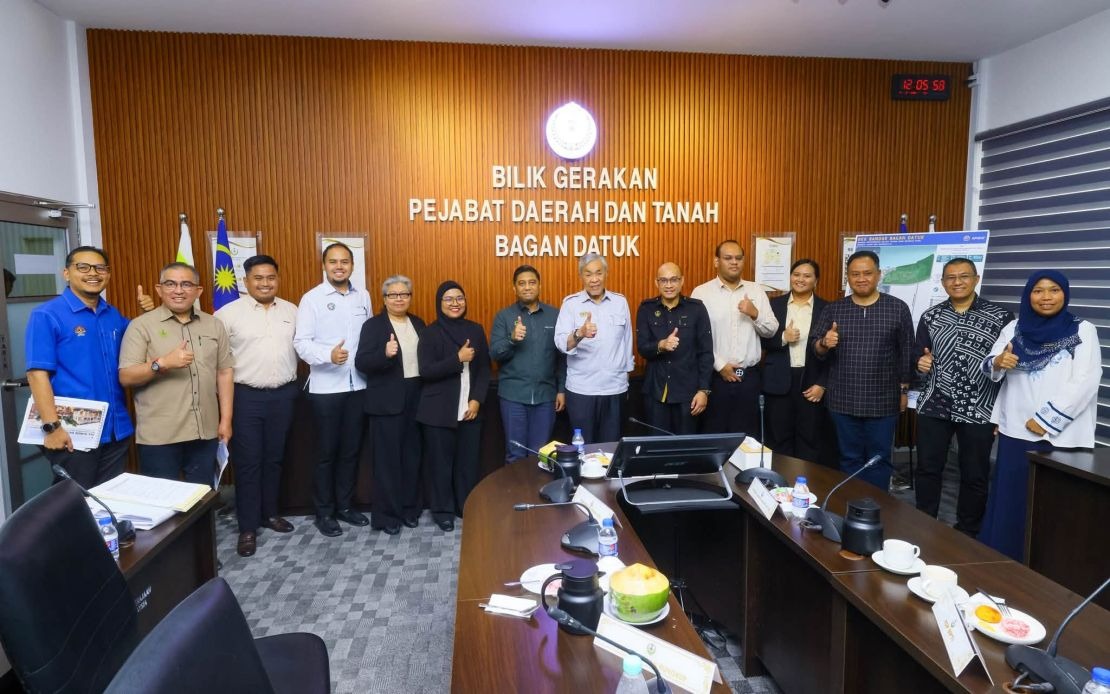
Deputy Prime Minister Datuk Seri Dr Ahmad Zahid Hamidi has articulated a comprehensive vision for developing Bagan Datuk into a thriving administrative centre, emphasizing the need to capitalize on the district's untapped potential through strategic planning and coordinated development efforts. Speaking in Ipoh on August 14, Zahid, who represents Bagan Datuk in Parliament, highlighted the parliamentary constituency's capacity to emerge as a livable, distinctive town nestled within a park setting, offering residents superior facilities, modern infrastructure, and expanded economic opportunities alongside a high quality of life.
The development initiative is anchored in a special area plan for Bagan Datuk, formally known as the Rancangan Kawasan Khusus (RKK), which has been prepared through collaborative consultation with the Teluk Intan Municipal Council, the Bagan Datuk District Office, and the relevant Land Office, with professional planning consultants involved in the study. This structured approach to urban planning reflects contemporary best practices in integrated development, combining administrative functions with residential comfort and commercial viability. The special area plan framework demonstrates recognition that sustainable growth requires comprehensive coordination across multiple government agencies and stakeholders rather than ad-hoc development decisions.
Zahid emphasized that identifying potential is merely the first step; translating those opportunities into tangible benefits for residents demands unwavering commitment from all relevant authorities and stakeholders. He articulated this responsibility during a presentation reviewing the RKK findings, underscoring that development must be intentional, deliberate, and responsive to the needs expressed by Bagan Datuk's communities. This perspective aligns with evolving governance standards that prioritize participatory planning, where local voices shape infrastructure and economic initiatives affecting their daily lives.
As a native of Bagan Datuk himself, Zahid's personal connection to the constituency informs his development priorities. This local rootedness positions him to understand the distinctive challenges and aspirations of residents in ways that external administrators might overlook. His expressed desire to witness sustained, well-calibrated development reflects a commitment to ensuring growth does not compromise the district's character or overwhelm its existing social fabric. This balance between progress and preservation remains a central tension in Malaysian development discourse, particularly in smaller municipalities competing for investment and talent retention.
The deputy premier's framing of Bagan Datuk as a potential administrative town carries significant implications for the region. Administrative centres typically attract government offices, institutional facilities, and associated economic activity, generating employment opportunities and stimulating business ecosystems. If successfully developed along the lines Zahid envisions, Bagan Datuk could transition from a traditional district town toward a more specialized economic node within Perak's development hierarchy. Such transformation would require substantial capital investment in transportation networks, digital infrastructure, business facilities, and residential amenities to attract both government agencies and private sector entities.
The emphasis on creating an environment within a park setting suggests environmental consciousness in the development approach. This commitment to green space integration reflects recognition that modern livable towns must balance urbanization with ecological sustainability and recreational amenities. For Malaysian readers accustomed to rapid, sometimes haphazard urbanization in major centres, this articulated intention to incorporate parks and green infrastructure signals a potential shift toward more holistic town planning. Whether this vision translates into implementation will determine its credibility among residents skeptical of unfulfilled development promises.
Bagan Datuk's development carries implications beyond its immediate constituency. As a secondary urban centre in Perak, its growth could contribute to regional economic decentralization, reducing concentration of economic activity in Klang Valley-centric development patterns that characterize Malaysian growth. Strengthening secondary towns throughout Peninsula Malaysia aligns with national development goals seeking to distribute opportunity more equitably. Perak's economy, historically dependent on tin and agriculture, has struggled with sustained structural transformation; positioning Bagan Datuk as an administrative and economic hub could catalyze broader diversification within the state.
The special area plan's timeline and specific allocation decisions remain to be revealed. Residents and investors will require clarity on phasing schedules, infrastructure investment amounts, incentive structures for private participation, and mechanisms ensuring that promised benefits reach intended communities. Without transparent communication regarding resource allocation and accountability frameworks, even well-intentioned development visions risk generating cynicism if execution falters or benefits accrue unevenly. Zahid's acknowledgment of stakeholder responsibility suggests awareness of this implementation challenge, though translating acknowledgment into effective governance remains perpetually contentious in Malaysian municipal administration.
The involvement of municipal councils, district administrations, and professional consultants indicates that development planning has been elevated beyond routine bureaucratic processes. This multi-agency approach theoretically enables integration of land use, infrastructure, and economic considerations essential for coherent urban development. However, coordination across government bodies frequently encounters organizational silos, budget constraints, and competing priorities that undermine integrated planning. Success will hinge on whether these agencies maintain collaborative focus through the inevitable challenges of implementation and competing pressures for resource reallocation.
Zahid's invocation of Islamic phraseology—"Insya-Allah, we will continue to strive for the best"—signals commitment while acknowledging that outcomes depend on factors beyond human control. This framing is consistent with Malaysian political communication conventions, particularly among figures addressing constituencies with strong traditional values. For Bagan Datuk residents contemplating their district's future, such language provides reassurance of sustained attention while avoiding absolute guarantees that circumstances might render impossible to honour.
The broader significance of Bagan Datuk's development planning lies in demonstrating that secondary Malaysian towns are attracting serious attention from national political leadership. Rather than accepting inevitable decline in constituencies outside metropolitan zones, this initiative suggests deliberate effort to strengthen district-level economies and liveability. If Zahid's vision gains traction and attracts appropriate funding through federal and state budget allocations, Bagan Datuk could emerge as a demonstration project for revitalizing secondary towns throughout Malaysia. Conversely, should implementation stall or disappoint, it would reinforce perceptions that development promises to non-metropolitan constituencies remain aspirational rather than actionable.

