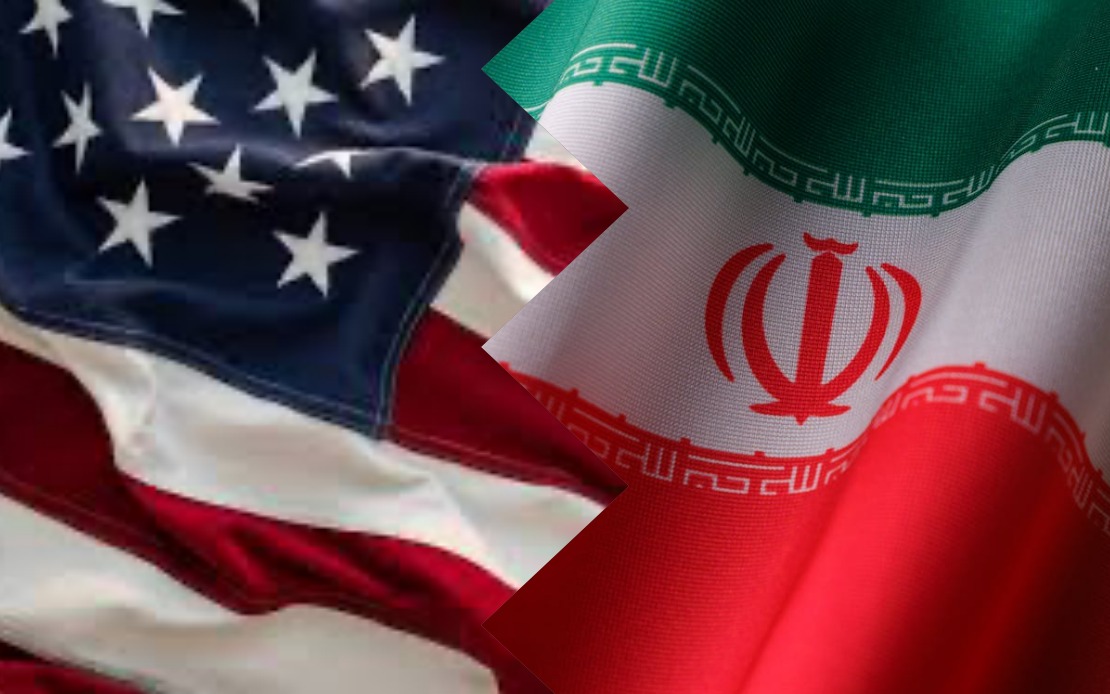
Residents and expatriates in Bahrain faced a tense situation on Wednesday morning when air raid sirens pierced the early hours, prompting authorities to urge people toward shelter. The alert followed a significant escalation in the ongoing maritime tensions affecting one of the world's most crucial waterways, as the United States launched retaliatory operations against Iranian military positions. The combination of sirens and military activity underscored the volatile security environment now gripping the Gulf region, with immediate implications for shipping lanes through which roughly one-third of global maritime trade passes.
Bahrain's Ministry of Interior announced the alert through official channels, instructing citizens and residents to remain composed and seek the nearest safe location. The ministry's initial statement did not elaborate on the precise trigger for the sirens, though the timing left little ambiguity regarding the connection to concurrent military developments. The deliberate messaging emphasizing calm suggested authorities sought to prevent panic while acknowledging genuine security concerns affecting the island nation, which hosts the US Navy's Fifth Fleet headquarters and maintains deep strategic ties with Washington.
Intelligence officials briefed on the situation indicated that Iran's military had launched unmanned aerial vehicles toward Bahrain, according to reporting from Axios. This detail marked an escalation beyond the maritime domain, suggesting the Iranian response extended beyond attacks on shipping vessels to include direct threats against neighbouring nations hosting US military infrastructure. The deployment of drones signalled Tehran's willingness to project power across the Gulf and confront American and allied interests more broadly, raising stakes beyond the original dispute over commercial navigation rights.
The US military's Central Command confirmed it had completed a comprehensive strike operation targeting Iranian positions, with attacks reaching more than 80 separate objectives. CENTCOM framed the operation as a measured response calibrated to Iranian provocations specifically targeting commercial shipping transiting the Strait of Hormuz. The scale and scope of the American action suggested a coordinated, substantial military engagement rather than a limited tactical response, indicating Washington's determination to protect vital economic interests and demonstrate resolve to regional allies concerned about Iranian assertiveness.
These strikes represented Washington's response to a pattern of Iranian attacks against merchant vessels navigating the strategic waterway. The escalating incidents have disrupted global commerce and insurance markets, with shipping companies rerouting vessels at substantial cost or purchasing expensive protection policies. For Malaysia and other Southeast Asian nations dependent on Middle Eastern energy supplies and engaged in international commerce, the implications run deep—disruptions to Strait of Hormuz traffic immediately affect fuel costs, logistics expenses, and supply chain stability throughout the region.
The Strait of Hormuz has long occupied a central position in global geopolitics and Malaysian strategic thinking. Through this narrow passage between Iran and Oman flows approximately 30 percent of the world's maritime oil trade, making any disruption a concern affecting energy security across Asia. Malaysian companies engaged in international shipping, petrochemicals, and trade face direct exposure to these tensions, whether through higher insurance premiums, delayed shipments, or unpredictable fuel price movements triggered by concerns about passage safety.
The broader context reflects longstanding tensions between Iran and the United States that have intensified following Washington's withdrawal from the nuclear agreement in 2018. Years of sanctions and counter-sanctions have left both parties pursuing confrontational policies with little diplomatic off-ramp visible. Iran's attacks on shipping and recent drone operations represent attempts to raise costs for US allies and demonstrate Iranian capability to inflict pain despite economic isolation. Simultaneously, American military responses aim to impose consequences for Iranian aggression while reassuring nervous Gulf partners about Washington's commitment to regional security.
For Bahrain specifically, the alert underscored its precarious position straddling the US security umbrella and geographic proximity to Iran. The island nation hosts critical American military infrastructure, making it a legitimate Iranian target while simultaneously ensuring US defensive responses. Civilians and expatriates living in Bahrain, including many from Southeast Asia working in finance, petrochemicals, and other sectors, now experience the immediate reality of living within an active security competition between regional and global powers. The sirens served as an uncomfortable reminder that abstract geopolitical tensions translate into real disruptions affecting daily life.
The incident also reflects broader vulnerabilities in maritime commerce that extend far beyond the immediate combatants. Malaysian shipping companies, energy importers, and trading firms increasingly factor Middle Eastern volatility into risk assessments and operational planning. The unpredictability of when the next incident might occur, where exactly it might happen, and how forcefully outside powers might respond creates a business environment requiring constant hedging and contingency planning. Unlike traditional natural disasters or predictable seasonal disruptions, geopolitical crises in the Strait of Hormuz introduce human agency and strategic calculation that can shift rapidly.
Regional stakeholders like Malaysia face difficult positioning as these tensions persist. Neither siding with Iranian resistance to Western pressure nor remaining aligned with American security interests offers clean solutions. Malaysia's economic interests require stable shipping lanes and energy supplies, both threatened by escalating confrontation. Diplomatic channels emphasizing de-escalation and negotiated settlements remain open, but both the US and Iran appear locked in escalatory cycles where demonstrating resolve matters more than seeking compromise. The Malaysian government has historically advocated for dialogue and multilateral approaches to regional security challenges, yet the current trajectory suggests military posturing will continue dominating the policy landscape.

