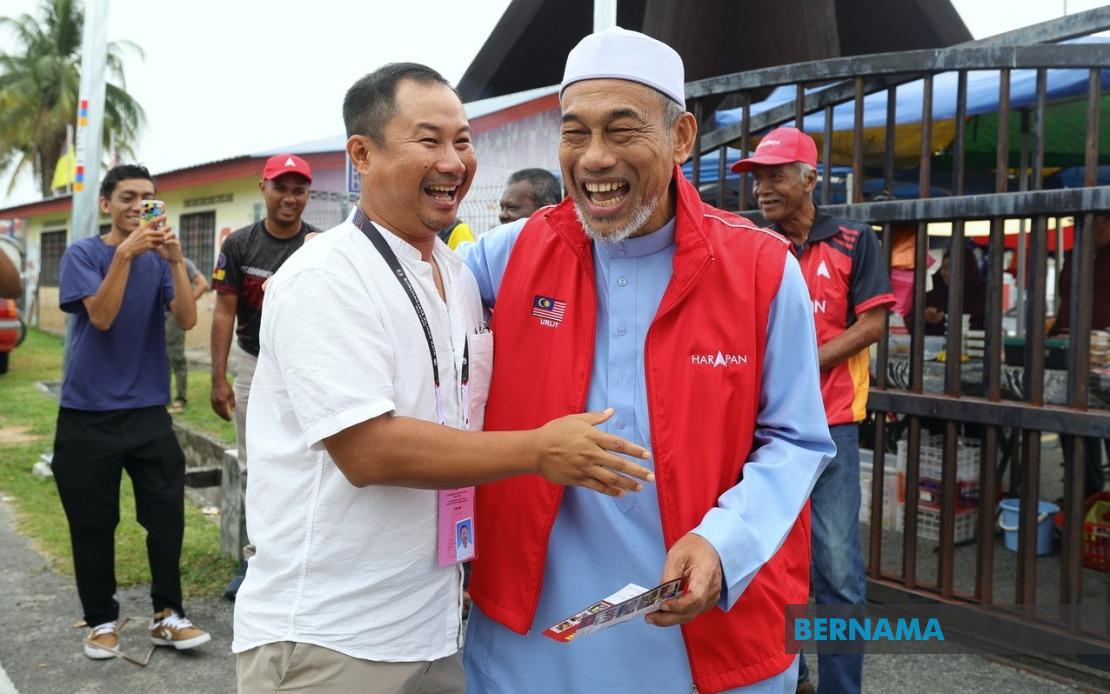
Datuk Bakri Sawir, the Pakatan Harapan candidate defending the Klawang state seat in Negeri Sembilan's upcoming state election, is positioning his tenure and constituent-focused approach as central to his re-election bid. The 67-year-old incumbent has represented the constituency for two consecutive terms since 2018 and maintains that his hands-on engagement with residents distinguishes his candidacy from challengers in a three-way contest scheduled for August 1.
Bakri's electoral strategy hinges on the intimate political relationship he has cultivated within the modest constituency, which contains fewer than 14,000 eligible voters. Rather than expecting residents to traverse to a centralized service centre, he has adopted a personal, door-to-door methodology since first winning office six years ago. This approach reflects a deliberate philosophical stance on how elected representatives should relate to their communities, one that Bakri has consistently emphasised during his campaign appearances, including recent visits to local markets in Pekan Kuala Klawang.
The assemblyman's commitment to residing permanently within Klawang constitutes what he views as a competitive advantage in the current electoral cycle. By maintaining a household in the constituency rather than commuting from elsewhere, Bakri argues he remains perpetually available to constituents regardless of the electoral calendar. This accessibility claim gains particular force against representatives who, in his characterization, only cultivate voter contact during five-yearly campaign periods. The scale of the electorate—relatively small by Malaysian standards—has enabled him to develop personal familiarity with many residents, transforming constituent service into a relationship-based rather than bureaucratic exercise.
Bakri frames his political engagement through a spiritual lens, describing his approach to elected office as an act of worship and a pathway to moral fulfilment. Rather than viewing politics solely as a competitive arena, he positions it as fundamentally oriented toward community welfare. This messaging suggests that while political disagreement is natural and legitimate, the underlying motivation for public service transcends partisan competition. His acknowledgment that not all constituents will support him reflects pragmatism tempered by philosophical acceptance, distinguishing his tone from more combative campaign rhetoric.
Development initiatives remain central to Bakri's platform for a potential third term. Among his longer-standing aspirations is establishing a university-level institution in Jelebu to catalyse human capital development across the district. The Universiti Malaysia Negeri Sembilan proposal, which he has previously championed, remains unrealised due to financial constraints—a candid admission that suggests realistic appraisal of budgetary limitations even as he commits to sustained advocacy for the project.
Immediate infrastructure projects constitute Bakri's more pragmatic development agenda. A Rest and Recreation Area in Tembun, Hulu Klawang represents his vision for enhancing the constituency's stopover facilities, with the explicit objective of catalysing tourist traffic and creating downstream economic opportunities for local entrepreneurs. The project exemplifies development thinking focused on leveraging geographic advantages and visitor flows to generate employment and commercial activity.
The transformation of Bukit Tajali into a recreational facility offering diverse activities—ranging from passive leisure to adventure tourism—reflects broader rural development philosophy emphasizing experiential tourism. Bakri's identification of agrotourism potential in Jelebu, anchored to the historical British Memorial Stone, demonstrates awareness of heritage-based economic development strategies gaining traction across Southeast Asia. These initiatives collectively target economic diversification beyond traditional agricultural livelihoods, appealing particularly to younger constituencies seeking employment beyond primary industries.
The Klawang contest features three contenders beyond Bakri. Danni Rais, 38, represents Perikatan Nasional, while Muhammad Adib Musa, 25, contests for Parti Pribumi Bersatu Malaysia. The relative youth of his challengers potentially contrasts with Bakri's seven decades, though his two-term incumbency and demonstrated constituent engagement provide incumbent advantages that transcend age considerations. The three-cornered configuration may fragment the opposition vote if neither challenger commands overwhelming support within specific demographic segments.
The broader Negeri Sembilan state election unfolds against a political landscape reshaped by the June 5 dissolution of the state legislative assembly. Polling is scheduled for August 1, with early voting occurring on July 28. An estimated 889,490 registered voters will participate across the state, including 867,151 ordinary voters alongside 16,884 military personnel and their spouses, and 5,455 police officers who will vote early. This electorate represents a substantial increase in the franchise compared to previous decades, though rural constituencies like Klawang remain relatively compact electorally.
Bakri's re-election prospects depend partly on whether his service-delivery emphasis and grassroots engagement translate into renewed voter support amid broader state and national political currents. While Pakatan Harapan maintains presence in Negeri Sembilan, the party's performance has been uneven across the state in recent elections. His challenger from Perikatan Nasional enters the contest with momentum from the coalition's recent electoral successes in other states, while Bersatu's participation—though fragmented nationally—may consolidate anti-PH votes depending on local political dynamics.
The Klawang constituent base's relatively modest size suggests that personal relationships and individual constituent service records may exercise outsized influence compared to large urban constituencies where demographic factors and broad policy positions dominate. Bakri's decade-long presence in the community, combined with documented accessibility and personal intervention in constituent problems, potentially provides resilience against national political trends. However, voter preference for fresh representation or dissatisfaction with service delivery outcomes could overcome incumbent advantage if sufficient segments of the electorate opt for alternative candidates.
Looking forward beyond the August 1 polling, the electoral outcome in Klawang will offer insight into whether grassroots constituent engagement and demonstrable service delivery remain determinative in rural Malaysian politics, or whether national political currents and challenger messaging prove sufficiently compelling to dislodge an incumbent with established community presence. The result will also indicate whether Pakatan Harapan's position in Negeri Sembilan strengthens, stabilizes, or weakens, with implications for the coalition's broader peninsular presence and potential future formation of state administrations.

