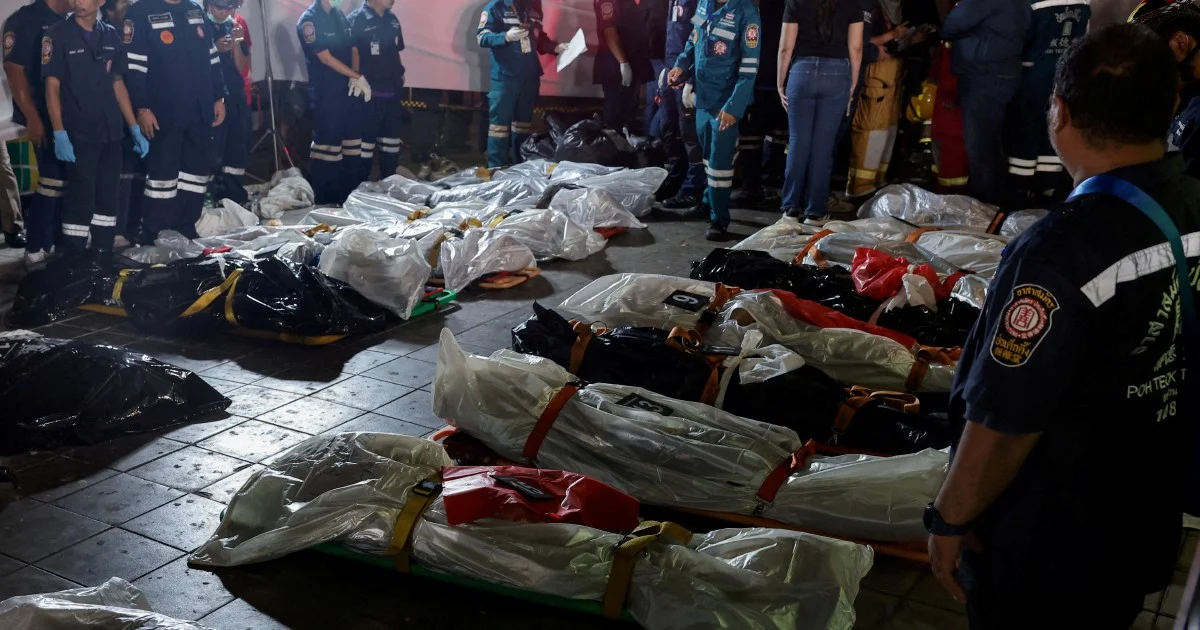
A fire that swept through a Bangkok bar on late Sunday night has claimed at least 27 lives, Thai Prime Minister Anutin Charnvirakul confirmed to local media on Monday. The tragedy represents one of the capital's most severe fire disasters in recent years and has immediately thrown into sharp focus the safety standards governing Thailand's lucrative nightlife industry, which draws millions of tourists and local patrons annually.
The incident occurred during peak nightlife hours, when the bar would have been densely packed with customers. Emergency responders faced considerable challenges in evacuating people from what appears to have been a confined space, with preliminary reports suggesting limited exit routes may have contributed to the scale of casualties. The exact circumstances that sparked the blaze remained under investigation, though officials began reviewing building records and safety certifications within hours of the fire being extinguished.
Thailand's nightlife sector, particularly in Bangkok's entertainment districts, has long been dogged by concerns over inadequate fire safety measures and overcrowding. Previous fatal fires in similar venues have periodically prompted regulatory reviews, yet enforcement remains inconsistent across different jurisdictions. The bar's layout, capacity restrictions, and emergency procedures will now face intense scrutiny from investigators seeking to understand how such a high death toll occurred.
The tragedy carries particular significance for Thailand's tourism industry, which relies heavily on the safety reputation of its major entertainment venues. Bangkok's bars and clubs serve as major draw for the nation's visitors, and incidents of this magnitude inevitably generate international media coverage that can influence travel decisions. Hotel and tourism operators across the region are likely monitoring how Thai authorities respond to this crisis and what safety reforms might be implemented.
For Malaysian readers, the incident serves as a sobering reminder about nightlife safety standards across Southeast Asia. Malaysia's own entertainment venues, particularly in Kuala Lumpur, operate under regulatory frameworks that vary in their rigor and enforcement. The Bangkok fire underscores how quickly a crowded indoor entertainment space can become a death trap when safety systems fail, a risk profile applicable to similar establishments throughout the region.
Prime Minister Anutin Charnvirakul's early confirmation of the death toll suggests Thai authorities are moving swiftly to address the crisis publicly and coordinate emergency response efforts. Such transparency, while grim, typically signals that government agencies will launch comprehensive investigations into systemic failings. The immediate policy challenge for Bangkok's municipal administration involves balancing the economic importance of the entertainment sector with genuine safety requirements.
Emergency medical services in Bangkok have been stretched by the large number of casualties requiring treatment. Beyond immediate deaths, many survivors likely sustained severe burns and smoke inhalation injuries that will require extended hospitalization and rehabilitation. The psychological trauma experienced by those who escaped and families of victims will persist long after physical recovery, affecting the broader community and raising questions about access to mental health support.
The incident likely will trigger immediate administrative responses, potentially including surprise inspections of other bars and nightclubs throughout Bangkok, temporary venue closures for safety assessments, and possible arrests or charges against building owners and managers if negligence is demonstrated. Regional governments, including Malaysia's, may quietly review their own nightlife licensing procedures and enforcement mechanisms to identify comparable vulnerabilities in local establishments.
Historically, major fire tragedies in Southeast Asian entertainment venues have led to a cycle of regulatory announcements followed by gradual compliance erosion as public attention fades. Breaking this pattern requires sustained political commitment and adequate resources for enforcement. The Bangkok fire presents an opportunity for Thailand's government to implement lasting structural changes, though success will depend on whether authorities maintain pressure on venue operators over the coming months and years.
For the immediate term, Thailand's national leadership faces pressure to demonstrate competent crisis management, transparent investigation processes, and concrete preventive measures. International travel advisories may mention the incident, though few tourists cancel trips to major destinations following single incidents. However, cumulative safety concerns can gradually erode destination appeal. How thoroughly and visibly Thai authorities address this tragedy will influence both domestic and international perceptions of Bangkok's safety.
The human cost extends beyond statistics: families lost relatives, survivors carry physical and emotional scars, and communities grieve the sudden loss of neighbours and friends. The bar industry itself faces potential reputational damage, though establishments that voluntarily enhance safety measures may emerge with competitive advantages. The broader implications for Southeast Asian nightlife remain uncertain, but pressure for region-wide safety standard improvements will likely intensify.

